THE ADVENTURE COLLECTIVE® · Independent discovery and booking for outdoor travel

Four days of classic northern Tanzania safari: Tarangire’s baobabs and elephants, Serengeti predator country, and the floral bowl of Ngorongoro Crater. Expect early game drives, shared vehicle viewing, and nights at basic lodges or campsites.
Four days of classic northern Tanzania safari: Tarangire’s baobabs and elephants, Serengeti predator country, and the floral bowl of Ngorongoro Crater. Expect early game drives, shared vehicle viewing, and nights at basic lodges or campsites.
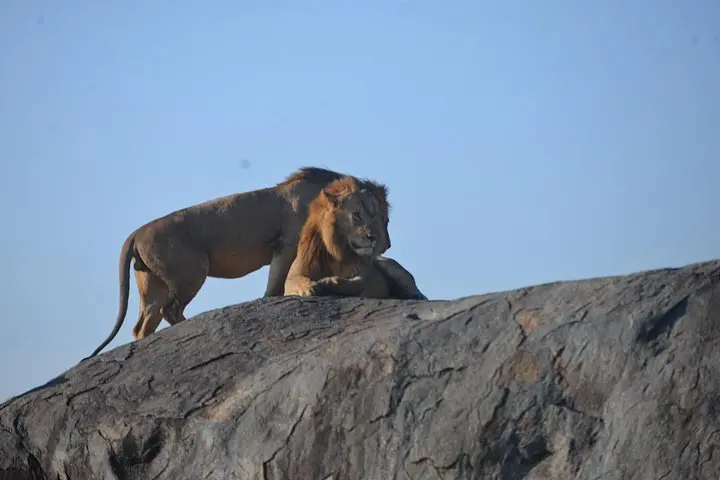
Morning light slides across grass the color of old copper as the safari vehicle threads between baobabs and termite mounds. On this four-day loop from Arusha, the plains push the horizon wide: Tarangire’s elephant herds move like slow tides, Serengeti’s Seronera valley keeps watch for big cats, and the Ngorongoro Caldera opens like a natural amphitheater where wildlife gathers.
Verified experiences and guided adventures in the surrounding area.
Operated by pazuri porini safaris · Arusha, Arusha Region
Morning light slides across grass the color of old copper as the safari vehicle threads between baobabs and termite mounds. On this four-day loop from Arusha, the plains push the horizon wide: Tarangire’s elephant herds move like slow tides, Serengeti’s Seronera valley keeps watch for big cats, and the Ngorongoro Caldera opens like a natural amphitheater where wildlife gathers.
These landscapes are geological and cultural layers stacked over millennia — Tarangire’s plains shaped by seasonal rivers, the Serengeti carved by migration routes that predate modern borders, and Ngorongoro formed when an ancient volcano collapsed into a nearly intact caldera. Maasai communities have grazed cattle here for generations; their presence and land-use patterns remain woven into conservation decisions and visitor etiquette.
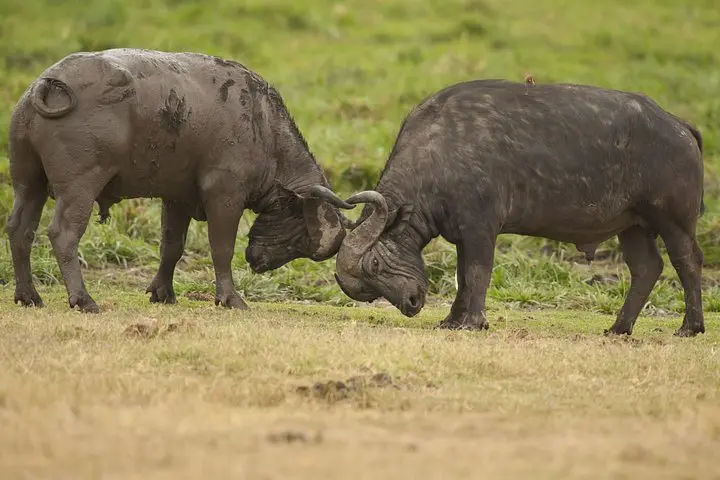
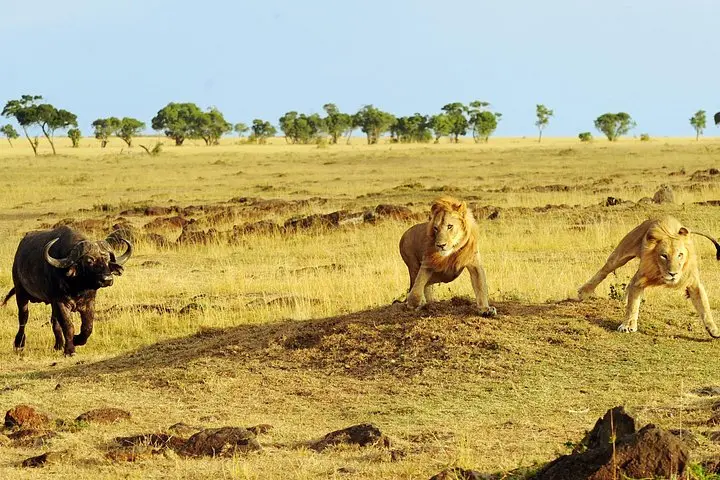
Expect game drives from dawn and late-afternoon drives optimized for predator activity, picnic lunches by rivers, and simple lodge or campsite nights under expansive skies. Wildlife viewing is vehicle-based; guides read spoor and behavior more than maps. The crater floor concentrates species, improving sightings of rhino, buffalo, and big cats, while Tarangire is the place for sustained elephant encounters.
Practical notes: pack neutral-colored layers for early chill and hot midday sun, bring binoculars and a long-lens camera, and plan for unpaved roads and bumpy transfers. Carry refillable water, sun protection, and copies of travel documents for park checks. Respect park rules, follow your guide’s instructions around animals, and factor in long drives between parks when planning arrival and departure times.
This itinerary includes park entrance fees and accommodation during the safari as listed, but confirm specifics on booking pages for any optional extras.
Transfers are long and on unpaved roads—plan for full-day drives with stops, and expect slower travel during rainy season.
The trip is vehicle-based and suitable for many ages, but uneven ground, early starts, and vehicle step-ins may challenge some mobility-impaired travelers; check with the operator before booking.
Wildlife can be seen year-round; dry months (June–October) concentrate animals around water and often yield more predictable sightings, while the Great Migration peaks vary seasonally.
pazuri porini safaris operates guided outdoor trips and adventures with an emphasis on safety, stewardship, and memorable experiences.
Morning light slides across grass the color of old copper as the safari vehicle threads between baobabs and termite mounds. On this four-day loop from Arusha, the plains push the horizon wide: Tarangire’s elephant herds move like slow tides, Serengeti’s Seronera valley keeps watch for big cats, and the Ngorongoro Caldera opens like a natural amphitheater where wildlife gathers.
Morning light slides across grass the color of old copper as the safari vehicle threads between baobabs and termite mounds. On this four-day loop from Arusha, the plains push the horizon wide: Tarangire’s elephant herds move like slow tides, Serengeti’s Seronera valley keeps watch for big cats, and the Ngorongoro Caldera opens like a natural amphitheater where wildlife gathers.
These landscapes are geological and cultural layers stacked over millennia — Tarangire’s plains shaped by seasonal rivers, the Serengeti carved by migration routes that predate modern borders, and Ngorongoro formed when an ancient volcano collapsed into a nearly intact caldera. Maasai communities have grazed cattle here for generations; their presence and land-use patterns remain woven into conservation decisions and visitor etiquette.
Expect game drives from dawn and late-afternoon drives optimized for predator activity, picnic lunches by rivers, and simple lodge or campsite nights under expansive skies. Wildlife viewing is vehicle-based; guides read spoor and behavior more than maps. The crater floor concentrates species, improving sightings of rhino, buffalo, and big cats, while Tarangire is the place for sustained elephant encounters.
Practical notes: pack neutral-colored layers for early chill and hot midday sun, bring binoculars and a long-lens camera, and plan for unpaved roads and bumpy transfers. Carry refillable water, sun protection, and copies of travel documents for park checks. Respect park rules, follow your guide’s instructions around animals, and factor in long drives between parks when planning arrival and departure times.