THE ADVENTURE COLLECTIVE® · Independent discovery and booking for outdoor travel

Cross the High Atlas, sleep in desert camps, and ride camels over Erg Chebbi’s towering dunes on this four-day loop from Marrakech to Merzouga and Zagora. Expect long drives, UNESCO kasbahs, starlit camps, and slow desert time.
Cross the High Atlas, sleep in desert camps, and ride camels over Erg Chebbi’s towering dunes on this four-day loop from Marrakech to Merzouga and Zagora. Expect long drives, UNESCO kasbahs, starlit camps, and slow desert time.
You step out of the minibus at dawn and the desert greets you not with drama but with a steady, granular hush—sand rippling like a slow ocean under a wide, cold sky.
Verified experiences and guided adventures in the surrounding area.
Operated by Ando Travel SARL · Merzouga, Errachidia Province
You step out of the minibus at dawn and the desert greets you not with drama but with a steady, granular hush—sand rippling like a slow ocean under a wide, cold sky.
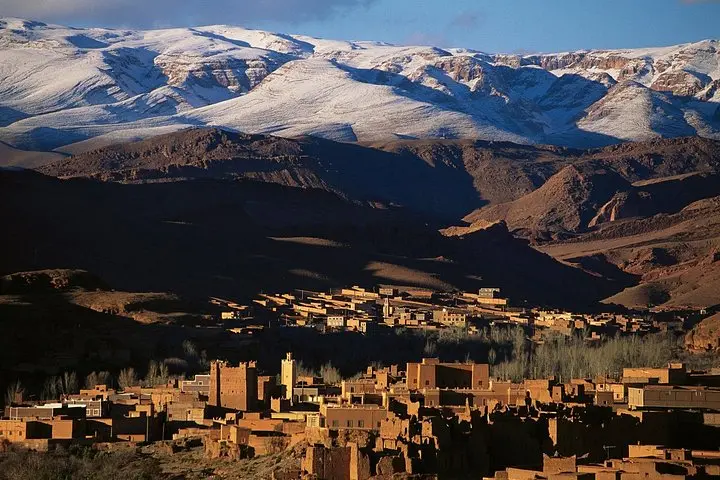
This 4-day route threads the High Atlas by way of the Tizi n’Tichka pass, stops at the UNESCO-listed Kasbah Aït Ben Haddou, and follows the Road of 1,000 Kasbahs to the dunes of Zagora and Erg Chebbi near Merzouga. Geologically, the Erg Chebbi dunes are wind-sculpted forms of Quaternary sand sitting atop older alluvial deposits; in places you can still find fossilized shells near the roadside towns around Erfoud.
Culturally the corridor is Berber country: kasbahs and kasbah ruins mark old caravan lines that once moved salt, dates, and spices across the Sahara. Local camps offer traditional mint tea, tagine dinners, and nights under stars that read like a navigation chart—simple comforts after long desert days.
Practical guidance: expect long drives—several hours each travel day—and two nights in desert camps with basic facilities; one hotel night is included. Bring layered clothing for hot afternoons and cold nights, sun protection, and sturdy shoes for scrambling sand and short rocky walks. Camel treks across dunes are slow and steady; basic mobility is enough, but if you have back problems request a shorter ride.
Timing matters: early mornings and late afternoons reveal the dunes at their best light and temperature, and guides usually schedule visits to kasbahs and gorges between drives. Hydrate, respect local dress customs, and give yourself extra time to absorb desert pace—the landscape rewards slow travel.
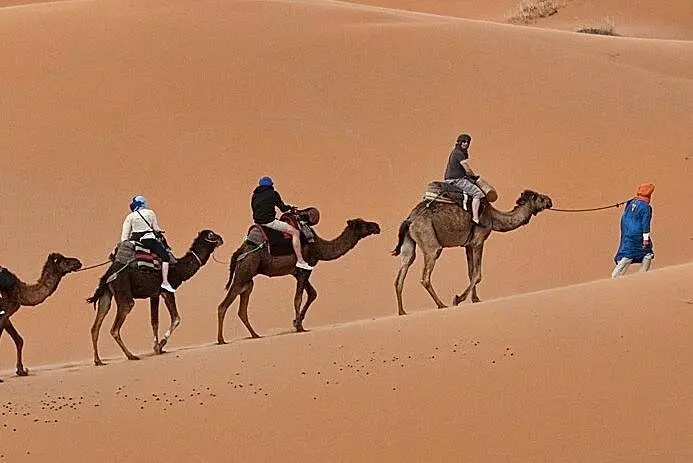
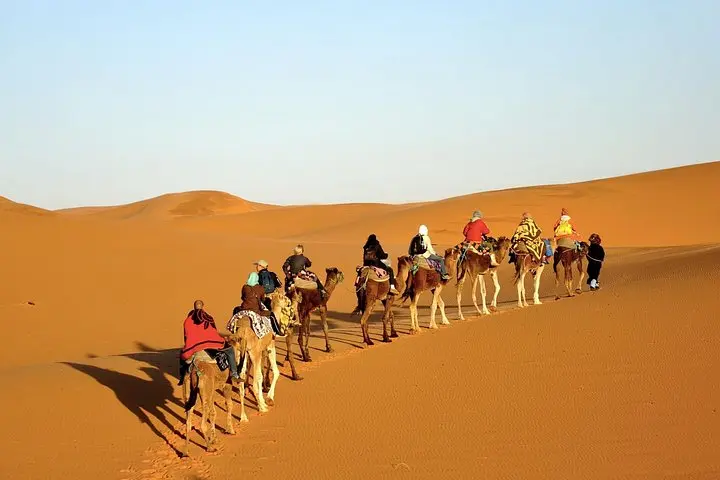
Camel treks are slow and steady—suitable for most people; rides typically last 45–90 minutes and guides can shorten the route on request.
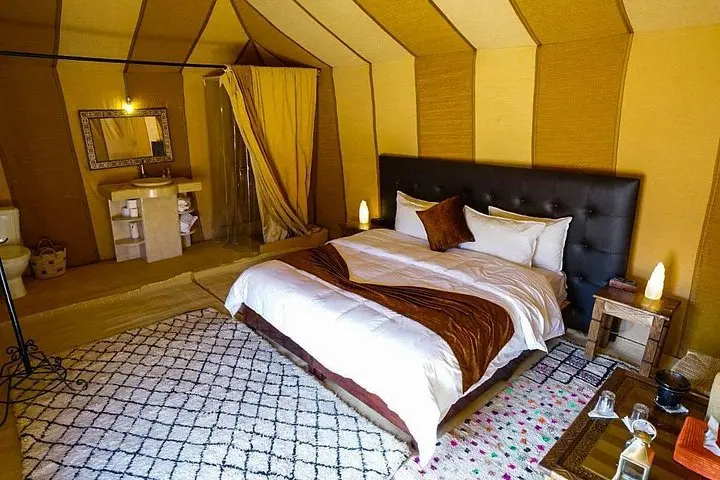
Two nights are in desert camps (simple tents with beds and shared facilities) and one night in a local hotel; expect basic comfort and traditional meals.
Visa and health requirements depend on your nationality—check Moroccan entry rules and routine vaccines before travel; no special vaccinations are universally required for this tour.
The tour notes it is not recommended for children under six and includes long drives; consider age and tolerance for vehicle travel and desert conditions.
Ando Travel SARL operates guided outdoor trips and adventures with an emphasis on safety, stewardship, and memorable experiences.
You step out of the minibus at dawn and the desert greets you not with drama but with a steady, granular hush—sand rippling like a slow ocean under a wide, cold sky.
You step out of the minibus at dawn and the desert greets you not with drama but with a steady, granular hush—sand rippling like a slow ocean under a wide, cold sky.
This 4-day route threads the High Atlas by way of the Tizi n’Tichka pass, stops at the UNESCO-listed Kasbah Aït Ben Haddou, and follows the Road of 1,000 Kasbahs to the dunes of Zagora and Erg Chebbi near Merzouga. Geologically, the Erg Chebbi dunes are wind-sculpted forms of Quaternary sand sitting atop older alluvial deposits; in places you can still find fossilized shells near the roadside towns around Erfoud.
Culturally the corridor is Berber country: kasbahs and kasbah ruins mark old caravan lines that once moved salt, dates, and spices across the Sahara. Local camps offer traditional mint tea, tagine dinners, and nights under stars that read like a navigation chart—simple comforts after long desert days.
Practical guidance: expect long drives—several hours each travel day—and two nights in desert camps with basic facilities; one hotel night is included. Bring layered clothing for hot afternoons and cold nights, sun protection, and sturdy shoes for scrambling sand and short rocky walks. Camel treks across dunes are slow and steady; basic mobility is enough, but if you have back problems request a shorter ride.
Timing matters: early mornings and late afternoons reveal the dunes at their best light and temperature, and guides usually schedule visits to kasbahs and gorges between drives. Hydrate, respect local dress customs, and give yourself extra time to absorb desert pace—the landscape rewards slow travel.