THE ADVENTURE COLLECTIVE® · Independent discovery and booking for outdoor travel

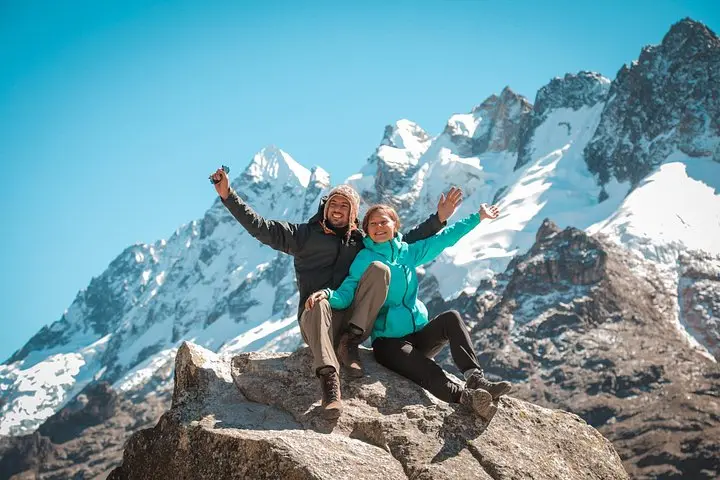
A demanding four-day traverse from the glacial heights of Salkantay to the edges of the cloud forest, finished at Machu Picchu. This trek combines high-altitude passes, Humantay Lake’s bright water, and a one-night Sky Camp igloo stay for stargazing.
A demanding four-day traverse from the glacial heights of Salkantay to the edges of the cloud forest, finished at Machu Picchu. This trek combines high-altitude passes, Humantay Lake’s bright water, and a one-night Sky Camp igloo stay for stargazing.
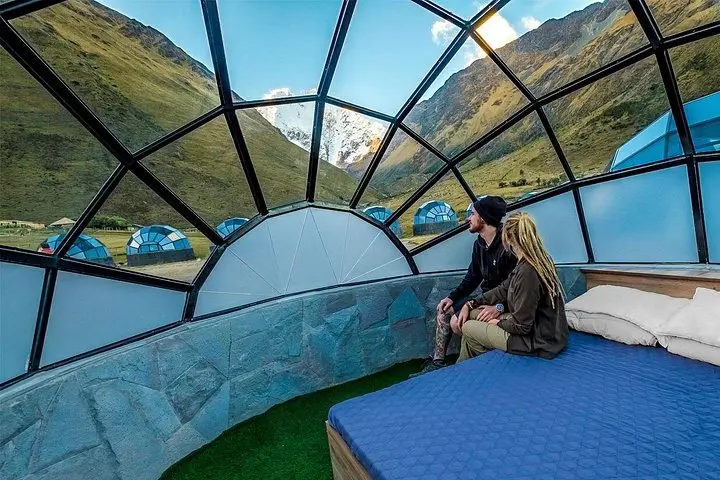
Before the sun melts the frost on high ridgelines, a convoy leaves Cusco and climbs toward Soraypampa, where glass-roofed igloos perch under an Andean sky. The first steps are on stony trails that open into valley views; by afternoon the turquoise bowl of Humantay Lake rewards the effort, a glacier-fed mirror under the shadow of Humantay Peak.
Verified experiences and guided adventures in the surrounding area.
Operated by Salkantay Trekking · Machu Picchu, Cusco
Before the sun melts the frost on high ridgelines, a convoy leaves Cusco and climbs toward Soraypampa, where glass-roofed igloos perch under an Andean sky. The first steps are on stony trails that open into valley views; by afternoon the turquoise bowl of Humantay Lake rewards the effort, a glacier-fed mirror under the shadow of Humantay Peak.
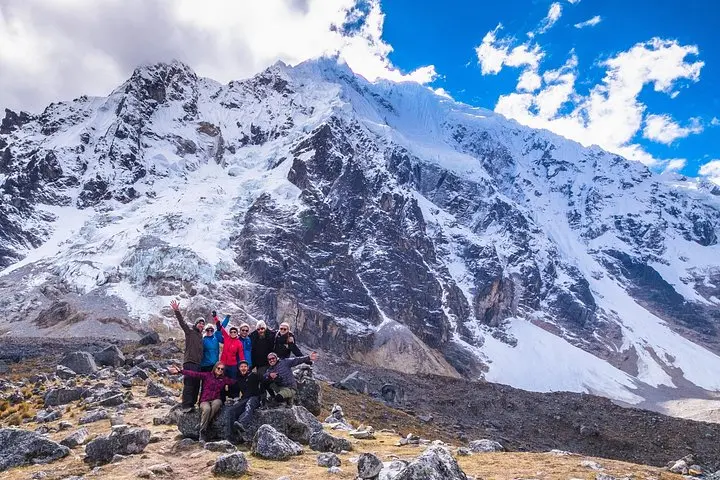
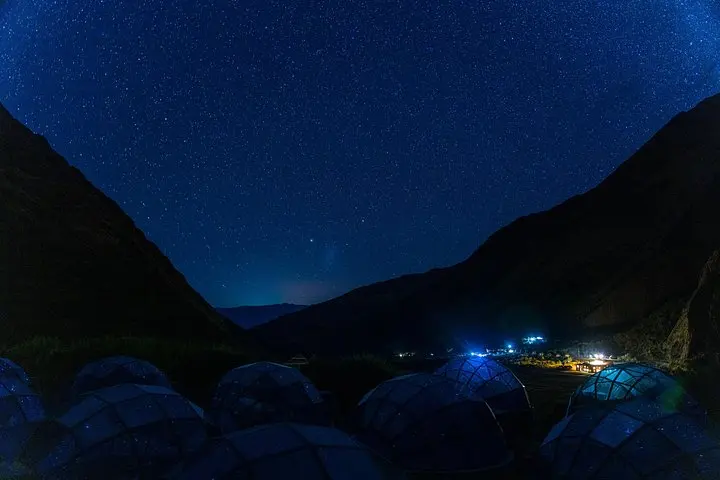
This route threads through dramatic geology: jagged moraine, glacial cirques, and the steep descent from the 4,630 m Salkantay Pass into the humid fringe of the cloud forest. The trail traces ancient Inca corridors and modern campesino paths—coffee farms and small Andean hamlets punctuate the lower days—so cultural notes arrive in handshakes and shared lunches more than plaques. The Sky Camp stay at Soraypampa adds an unusual layer: clear-roof igloos for stargazing at altitude, a rare juxtaposition of comfort and raw mountain exposure.
Practically, expect long days (one day crosses the highest pass), large elevation swings, rocky tread, and sections of muddy jungle trail. Guides manage logistics—porters, meals, and emergency oxygen—and the outfitter provides tent dining, a train segment, and bus access to Machu Picchu. Pace your hydration and salt intake for altitude, use trekking poles for the steep 4,600 m ascent and the subsequent descent, and carry a lightweight day pack for camera, layers, and water. Weather flips quickly: sun, sleet, and afternoon downpours are all possible in a single day. Arrive in Cusco a minimum of 48 hours early to acclimatize; a good night’s sleep in Cusco and steady, conservative pacing on the high day are the clearest predictors of finishing the trek and arriving at Machu Picchu ready to explore.
The Salkantay Pass day is the most demanding—expect 4–6 hours of steep climbing to 4,630 m, followed by a long downhill; good conditioning and acclimatization are essential.
Sky Camp igloos have insulated sleeping systems but nights are cold at altitude—bring a quality sleeping bag and warm layers.
Yes—there’s an option to hike along the hydroelectric tracks to Aguas Calientes (about 3 hours from Hidroelectrica) instead of taking the train for an additional fee or on foot.
Meals listed in the itinerary, Machu Picchu entrance (circuit access), camping equipment, and some transfers are included; verify details and any optional extras before booking.
Salkantay Trekking operates guided outdoor trips and adventures with an emphasis on safety, stewardship, and memorable experiences.
Before the sun melts the frost on high ridgelines, a convoy leaves Cusco and climbs toward Soraypampa, where glass-roofed igloos perch under an Andean sky. The first steps are on stony trails that open into valley views; by afternoon the turquoise bowl of Humantay Lake rewards the effort, a glacier-fed mirror under the shadow of Humantay Peak.
Before the sun melts the frost on high ridgelines, a convoy leaves Cusco and climbs toward Soraypampa, where glass-roofed igloos perch under an Andean sky. The first steps are on stony trails that open into valley views; by afternoon the turquoise bowl of Humantay Lake rewards the effort, a glacier-fed mirror under the shadow of Humantay Peak.
This route threads through dramatic geology: jagged moraine, glacial cirques, and the steep descent from the 4,630 m Salkantay Pass into the humid fringe of the cloud forest. The trail traces ancient Inca corridors and modern campesino paths—coffee farms and small Andean hamlets punctuate the lower days—so cultural notes arrive in handshakes and shared lunches more than plaques. The Sky Camp stay at Soraypampa adds an unusual layer: clear-roof igloos for stargazing at altitude, a rare juxtaposition of comfort and raw mountain exposure.
Practically, expect long days (one day crosses the highest pass), large elevation swings, rocky tread, and sections of muddy jungle trail. Guides manage logistics—porters, meals, and emergency oxygen—and the outfitter provides tent dining, a train segment, and bus access to Machu Picchu. Pace your hydration and salt intake for altitude, use trekking poles for the steep 4,600 m ascent and the subsequent descent, and carry a lightweight day pack for camera, layers, and water. Weather flips quickly: sun, sleet, and afternoon downpours are all possible in a single day. Arrive in Cusco a minimum of 48 hours early to acclimatize; a good night’s sleep in Cusco and steady, conservative pacing on the high day are the clearest predictors of finishing the trek and arriving at Machu Picchu ready to explore.