THE ADVENTURE COLLECTIVE® · Independent discovery and booking for outdoor travel

Walk off the beaten path through Muong Hoa Valley on a four-day trek that threads lesser-used trails into villages of the Black Hmong, Giay and Red Dao. Expect terraced rice views, shaded bamboo tunnels and homestay nights for a truly local perspective.
Walk off the beaten path through Muong Hoa Valley on a four-day trek that threads lesser-used trails into villages of the Black Hmong, Giay and Red Dao. Expect terraced rice views, shaded bamboo tunnels and homestay nights for a truly local perspective.
Dawn spills down the Muong Hoa Valley and the trail wakes under your boots: terraces step like giant staircases across the hillside, water-glossed in early light, while distant peaks of the Hoang Lien Son press against the sky. Over four days you walk quieter routes — Y Linh Ho, Lao Chai, Ta Van, Giang Ta Chai and the Bamboo Forest — staying in local homestays where wood smoke and woven textiles mark the evening rhythm.
Verified experiences and guided adventures in the surrounding area.
Operated by SAIGONESE TREKKING HOUSE · Sapa, Lao Cai
Dawn spills down the Muong Hoa Valley and the trail wakes under your boots: terraces step like giant staircases across the hillside, water-glossed in early light, while distant peaks of the Hoang Lien Son press against the sky. Over four days you walk quieter routes — Y Linh Ho, Lao Chai, Ta Van, Giang Ta Chai and the Bamboo Forest — staying in local homestays where wood smoke and woven textiles mark the evening rhythm.
The region is culturally layered: Black Hmong, Giay and Red Dao communities farm steep plots carved over centuries into the mountainside. Geologically, these trails sit on the rugged flanks of the Hoang Lien range (Fansipan, Vietnam’s tallest peak, lies nearby), so expect steep terraces, carved stream gullies and shaded forest pockets where bamboo forms impassable-feeling tunnels.
Practically, the itinerary spreads moderate daily walks across varied terrain — narrow village tracks, stone steps and forest paths — with relaxed pacing to absorb scenery and local life. Expect 4 days of trekking with daily walking windows of 3–6 hours, modest ascents and descents rather than technical climbs. Bring layered rain protection, sturdy footwear with good grip for muddy sections, and cash for remote villages and homestay tips.
Plan around weather: late spring and autumn give the most stable skies and vivid terraces; monsoon months bring heavier rain and slipperier trails. Respect local customs — ask before photographing people, remove shoes entering family homes, and accept invitations to sample traditional food. The payoff is quiet trails, close cultural exchange, and landscapes that change step by step as you move through them.
You should have a moderate fitness level—able to hike 3–6 hours on uneven trails for several days; the tour is paced with rest stops and homestay nights.
Sapa is temperate but changeable: cool mornings, possible heavy showers in monsoon months (July–August) and clearer skies in spring and autumn; pack layers and waterproofs.
Yes—homestays are simple, often with shared facilities, warm hospitality, prepared local meals and basic bedding; bring small cash for tips and incidentals.
Yes—the tour offers flexible return by motorbike or car; motorbike transfers are quicker and give scenic local travel but are less comfortable than car options.
SAIGONESE TREKKING HOUSE operates guided outdoor trips and adventures with an emphasis on safety, stewardship, and memorable experiences.
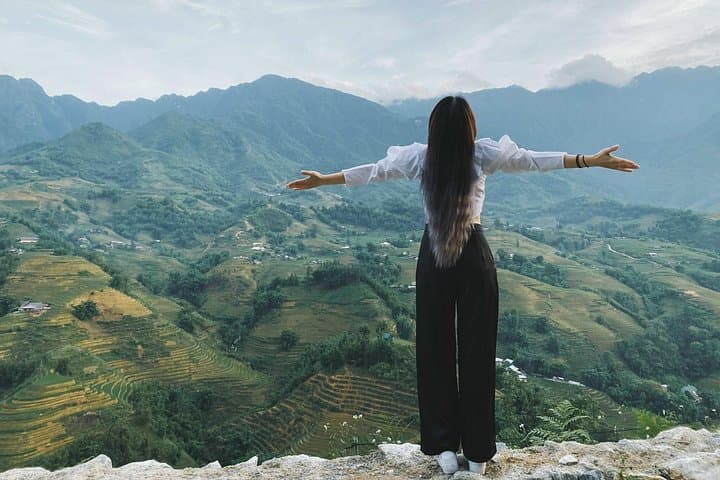
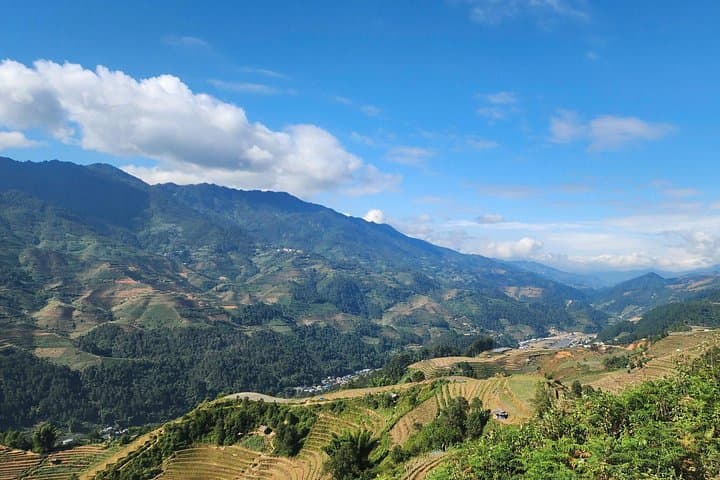
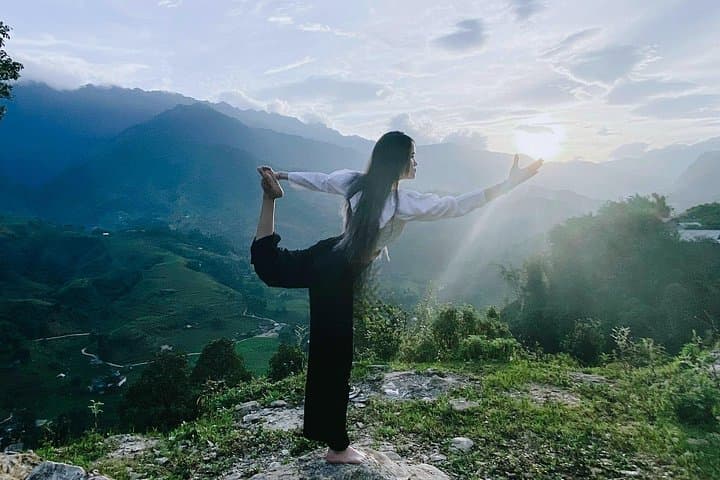
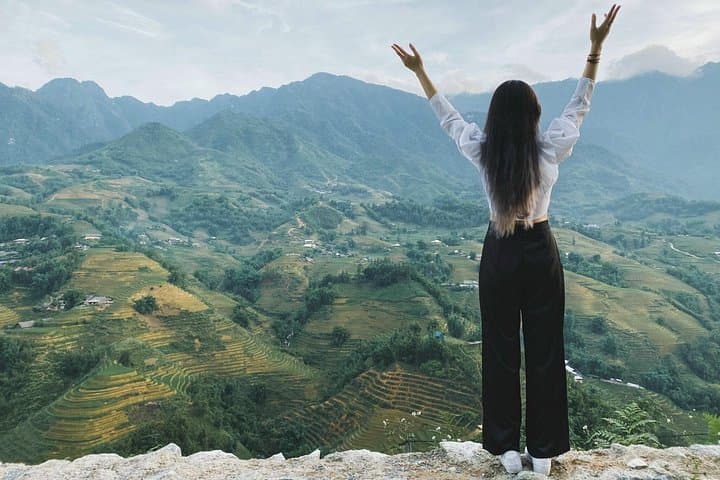
Dawn spills down the Muong Hoa Valley and the trail wakes under your boots: terraces step like giant staircases across the hillside, water-glossed in early light, while distant peaks of the Hoang Lien Son press against the sky. Over four days you walk quieter routes — Y Linh Ho, Lao Chai, Ta Van, Giang Ta Chai and the Bamboo Forest — staying in local homestays where wood smoke and woven textiles mark the evening rhythm.
Dawn spills down the Muong Hoa Valley and the trail wakes under your boots: terraces step like giant staircases across the hillside, water-glossed in early light, while distant peaks of the Hoang Lien Son press against the sky. Over four days you walk quieter routes — Y Linh Ho, Lao Chai, Ta Van, Giang Ta Chai and the Bamboo Forest — staying in local homestays where wood smoke and woven textiles mark the evening rhythm.
The region is culturally layered: Black Hmong, Giay and Red Dao communities farm steep plots carved over centuries into the mountainside. Geologically, these trails sit on the rugged flanks of the Hoang Lien range (Fansipan, Vietnam’s tallest peak, lies nearby), so expect steep terraces, carved stream gullies and shaded forest pockets where bamboo forms impassable-feeling tunnels.
Practically, the itinerary spreads moderate daily walks across varied terrain — narrow village tracks, stone steps and forest paths — with relaxed pacing to absorb scenery and local life. Expect 4 days of trekking with daily walking windows of 3–6 hours, modest ascents and descents rather than technical climbs. Bring layered rain protection, sturdy footwear with good grip for muddy sections, and cash for remote villages and homestay tips.
Plan around weather: late spring and autumn give the most stable skies and vivid terraces; monsoon months bring heavier rain and slipperier trails. Respect local customs — ask before photographing people, remove shoes entering family homes, and accept invitations to sample traditional food. The payoff is quiet trails, close cultural exchange, and landscapes that change step by step as you move through them.