THE ADVENTURE COLLECTIVE® · Independent discovery and booking for outdoor travel

Four days of ridgewalking, high-plateau crossings and a mountain-lake picnic in the Nuratau range. Expect long hiking days, homestay nights and direct contact with local mountain livelihoods.
Four days of ridgewalking, high-plateau crossings and a mountain-lake picnic in the Nuratau range. Expect long hiking days, homestay nights and direct contact with local mountain livelihoods.
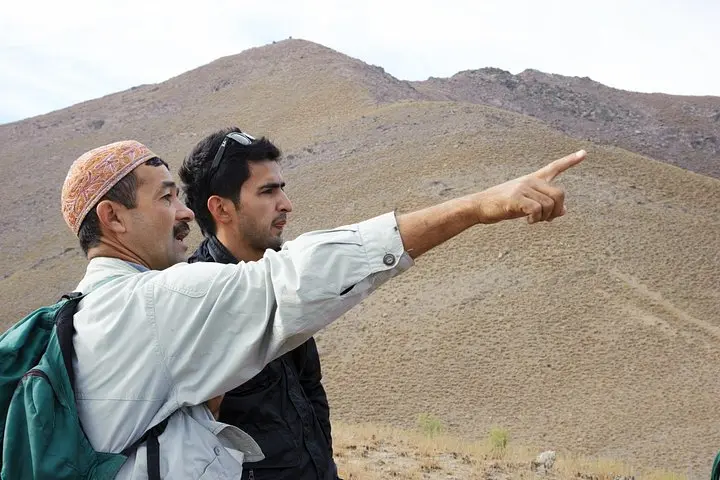
Morning light fractures the ridgelines of the Nuratau Mountains as you step out of a homestay into Sentob's dusty lane.
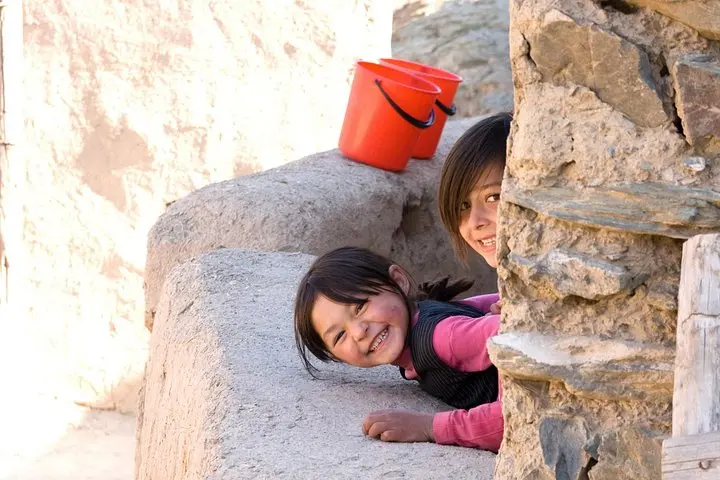
Villagers move toward terraced plots while distant scree slopes catch the sun — the valley seems to watch and wait, offering a slow reveal of plateaus, ancient stonework and a high alpine lake.
Verified experiences and guided adventures in the surrounding area.
Operated by Nuratau Travel · Sentob, Navoiy Region
Morning light fractures the ridgelines of the Nuratau Mountains as you step out of a homestay into Sentob's dusty lane.
Villagers move toward terraced plots while distant scree slopes catch the sun — the valley seems to watch and wait, offering a slow reveal of plateaus, ancient stonework and a high alpine lake.
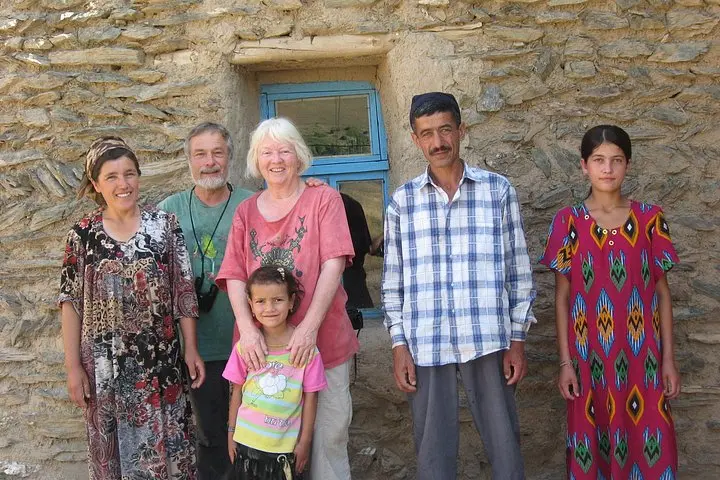
The route follows centuries-old tracks that link villages to grazing plateaus. Geologically, the Nuratau is a compact band of folded sedimentary ridges; sandstone and limestone cliffs shape narrow valleys, feeding waterfalls and small natural pools. Culturally, Sentob’s summer movement to mountain plateaus for seasonal crops is a living pattern: shepherds and farmers maintain simple stone houses and hospitality traditions you’ll meet in family-run homestays.
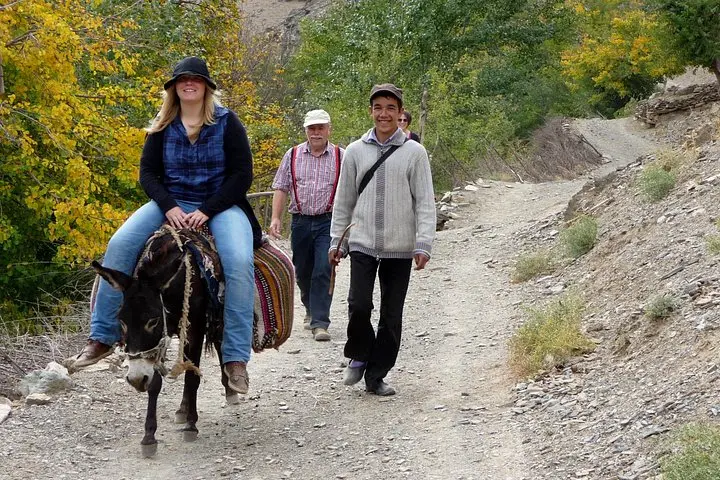
On trail you pass an old fortress and petroglyph-like Arabic scripts carved into rock — human palms on the landscape that echo trading routes and local lore. The hike to Fazilman crosses a high plateau, then drops to a quiet lake where water invites a picnic and slow rest; currents and pools seem to breathe with the terrain.
Practical edge: expect two long summit-style days — a 22 km round trip to Fazilman (≈10 hours) and a separate 7.5–8 hour trek to Kadvan Valley. Guides accompany two mountain days; the first afternoon in Sentob is self-guided. Carry 2–3 L water, layered clothing for sharp diurnal swings, sturdy boots and sun protection. Plan for simple homestay facilities, limited phone signal and cash-only village stalls. Travel light, move deliberately, and leave no trace—the valleys are intact because visitors respect them.
The Fazilman route is a 22 km round trip with sustained climbing and high-elevation walking; regular hikers who can manage 8–10 hour days will be fine.
Yes—three nights in family homestays and breakfasts, lunches and dinners on specified days are included; special diets can usually be accommodated if noted at booking.
A mountain escort guide with basic English accompanies two mountain days; the first afternoon in Sentob is self-guided and the final transfer to Samarkand is by vehicle.
Sealed mineral water is provided in the itinerary; toilets in homestays are basic and village facilities may be limited—carry personal hygiene supplies.
Nuratau Travel operates guided outdoor trips and adventures with an emphasis on safety, stewardship, and memorable experiences.
Morning light fractures the ridgelines of the Nuratau Mountains as you step out of a homestay into Sentob's dusty lane.
Villagers move toward terraced plots while distant scree slopes catch the sun — the valley seems to watch and wait, offering a slow reveal of plateaus, ancient stonework and a high alpine lake.
The route follows centuries-old tracks that link villages to grazing plateaus. Geologically, the Nuratau is a compact band of folded sedimentary ridges; sandstone and limestone cliffs shape narrow valleys, feeding waterfalls and small natural pools. Culturally, Sentob’s summer movement to mountain plateaus for seasonal crops is a living pattern: shepherds and farmers maintain simple stone houses and hospitality traditions you’ll meet in family-run homestays.
On trail you pass an old fortress and petroglyph-like Arabic scripts carved into rock — human palms on the landscape that echo trading routes and local lore. The hike to Fazilman crosses a high plateau, then drops to a quiet lake where water invites a picnic and slow rest; currents and pools seem to breathe with the terrain.
Practical edge: expect two long summit-style days — a 22 km round trip to Fazilman (≈10 hours) and a separate 7.5–8 hour trek to Kadvan Valley. Guides accompany two mountain days; the first afternoon in Sentob is self-guided. Carry 2–3 L water, layered clothing for sharp diurnal swings, sturdy boots and sun protection. Plan for simple homestay facilities, limited phone signal and cash-only village stalls. Travel light, move deliberately, and leave no trace—the valleys are intact because visitors respect them.