THE ADVENTURE COLLECTIVE® · Independent discovery and booking for outdoor travel

Four days of big mammals, volcanic geology and Maasai highlands: this small‑group safari links central Serengeti game drives with a descent into Ngorongoro Crater. Expect long drives, early starts and concentrated wildlife viewing.
Four days of big mammals, volcanic geology and Maasai highlands: this small‑group safari links central Serengeti game drives with a descent into Ngorongoro Crater. Expect long drives, early starts and concentrated wildlife viewing.
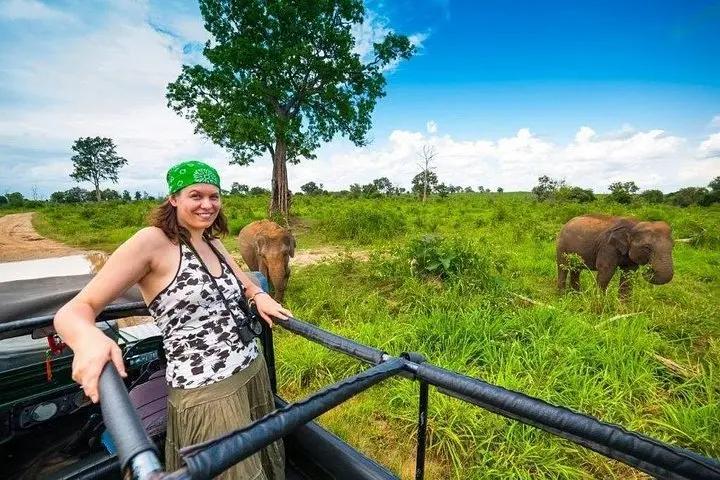
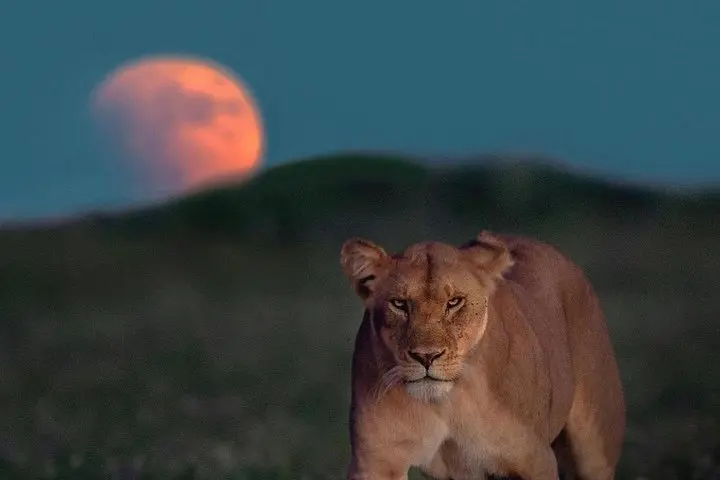
Dawn splits the Serengeti horizon and the pop‑up roof of your 4x4 becomes a small theater for the first lion sighting of the day. Dust rises in slow plumes as the jeep threads through grassland; vultures wheel above while the guide scans for movement.
Verified experiences and guided adventures in the surrounding area.
Operated by SERENGETI LANDMARK TOURS · Ngorongoro Conservation Area, Arusha Region
Dawn splits the Serengeti horizon and the pop‑up roof of your 4x4 becomes a small theater for the first lion sighting of the day. Dust rises in slow plumes as the jeep threads through grassland; vultures wheel above while the guide scans for movement.
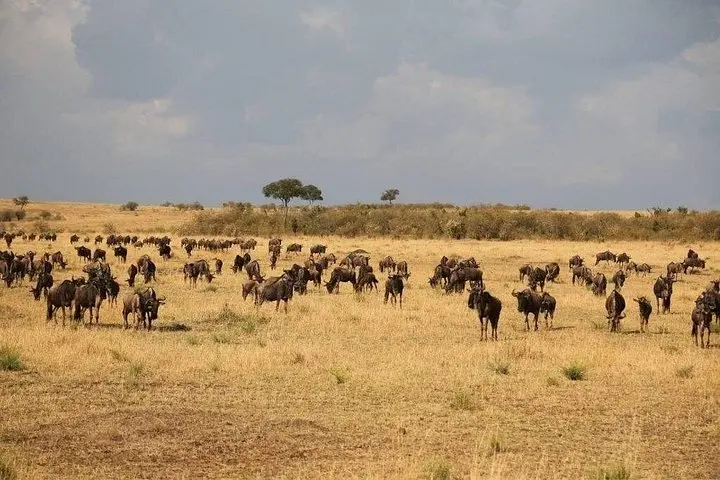
This four‑day loop ties two geological and ecological icons: the endless plains of Serengeti National Park—famous for the annual wildebeest migration of roughly 1.5 million animals—and the Ngorongoro Crater, the world's largest intact volcanic caldera formed about 2.5 million years ago. The landscape carries Maasai history: pastoralists still move cattle on the crater rim and maintain cultural ties to the land.
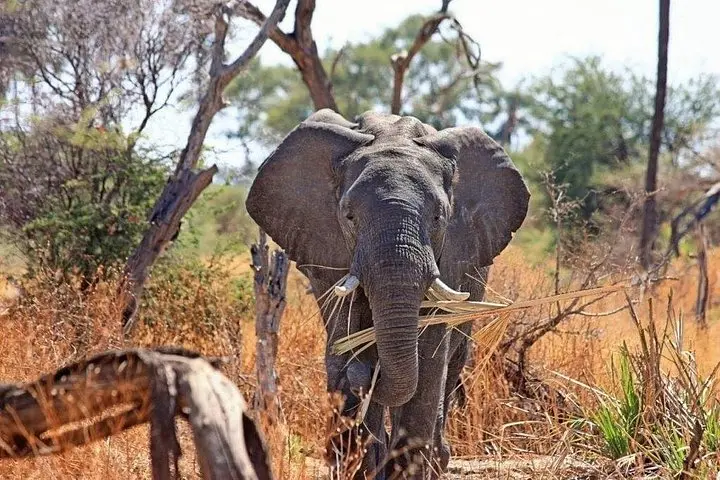
Expect long drives between camps—Arusha to Serengeti is typically 7–8 hours—and early starts for the best animal activity; a 5:45 AM wakeup punctuates most mornings. In the Serengeti you’ll see dense concentrations of herbivores and their predators; in Ngorongoro the crater floor offers a compact micro‑ecosystem where black rhino, elephants and flamingos gather. Guides emphasize staying in the vehicle, minimizing noise, and letting wildlife set the pace.
Practical notes: pack layered clothing for cool mornings and hot afternoons, a good pair of binoculars, and a camera with a telephoto lens. Carry local currency for souvenirs and tipping; bring sun protection and refillable water for long game‑drive hours. Vehicles are pop‑up roof 4x4s suited to photography and wildlife viewing—plan for miles of dirt roads, an active schedule, and moments when the landscape simply stops you in your tracks.
Yes—this itinerary lists park fees and government bills as included in the trip price, so you typically won’t pay entry fees on arrival.
The trip is low‑impact physically: most activity occurs from a pop‑up roof 4x4; short walks are optional. Itineraries include long drives between sites.
Children can join; infant seats are available and guides can tailor pacing, but expect early mornings and long drives that may be tiring for very young kids.
Consult a travel clinic for up‑to‑date advice—yellow fever proof may be required depending on origin, and malaria prophylaxis is commonly recommended for this region.
SERENGETI LANDMARK TOURS operates guided outdoor trips and adventures with an emphasis on safety, stewardship, and memorable experiences.
Dawn splits the Serengeti horizon and the pop‑up roof of your 4x4 becomes a small theater for the first lion sighting of the day. Dust rises in slow plumes as the jeep threads through grassland; vultures wheel above while the guide scans for movement.
Dawn splits the Serengeti horizon and the pop‑up roof of your 4x4 becomes a small theater for the first lion sighting of the day. Dust rises in slow plumes as the jeep threads through grassland; vultures wheel above while the guide scans for movement.
This four‑day loop ties two geological and ecological icons: the endless plains of Serengeti National Park—famous for the annual wildebeest migration of roughly 1.5 million animals—and the Ngorongoro Crater, the world's largest intact volcanic caldera formed about 2.5 million years ago. The landscape carries Maasai history: pastoralists still move cattle on the crater rim and maintain cultural ties to the land.
Expect long drives between camps—Arusha to Serengeti is typically 7–8 hours—and early starts for the best animal activity; a 5:45 AM wakeup punctuates most mornings. In the Serengeti you’ll see dense concentrations of herbivores and their predators; in Ngorongoro the crater floor offers a compact micro‑ecosystem where black rhino, elephants and flamingos gather. Guides emphasize staying in the vehicle, minimizing noise, and letting wildlife set the pace.
Practical notes: pack layered clothing for cool mornings and hot afternoons, a good pair of binoculars, and a camera with a telephoto lens. Carry local currency for souvenirs and tipping; bring sun protection and refillable water for long game‑drive hours. Vehicles are pop‑up roof 4x4s suited to photography and wildlife viewing—plan for miles of dirt roads, an active schedule, and moments when the landscape simply stops you in your tracks.