THE ADVENTURE COLLECTIVE® · Independent discovery and booking for outdoor travel

Four days of guided game drives from Arusha that link Tarangire’s elephants, the cratered floor of Ngorongoro and the central Serengeti’s predator country. Expect early mornings, long game drives and nights at camps or rest houses.
Four days of guided game drives from Arusha that link Tarangire’s elephants, the cratered floor of Ngorongoro and the central Serengeti’s predator country. Expect early mornings, long game drives and nights at camps or rest houses.
Dawn on the savanna arrives like a slow exhale: headlights pick out silhouettes of baobabs, a herd moves with the patience of history, and the Land Cruiser hums toward the first gate. This four-day camping circuit from Arusha threads Tarangire’s elephant-rich plains, the bowl-like hush of Ngorongoro Crater and the broad-open Seronera corridors of the Serengeti.
Verified experiences and guided adventures in the surrounding area.
Operated by SMILE WITH US TOURS IN AFRICA · Arusha, Arusha Region
Dawn on the savanna arrives like a slow exhale: headlights pick out silhouettes of baobabs, a herd moves with the patience of history, and the Land Cruiser hums toward the first gate. This four-day camping circuit from Arusha threads Tarangire’s elephant-rich plains, the bowl-like hush of Ngorongoro Crater and the broad-open Seronera corridors of the Serengeti.
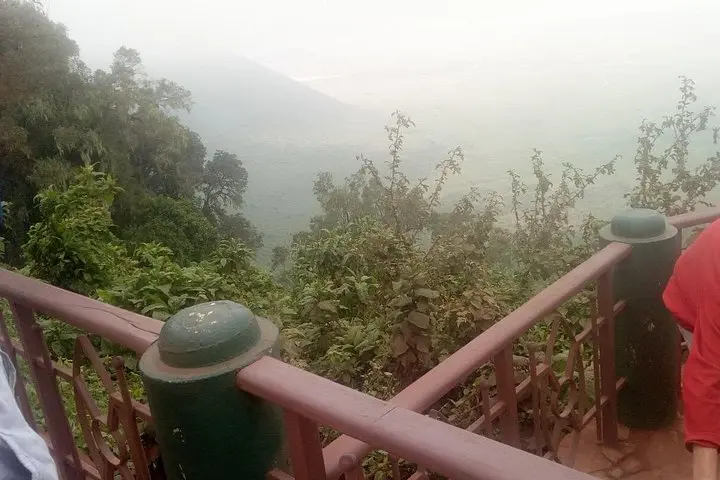
Geology and human history are ever-present here. Tarangire’s river carves lifelines through red soil; Ngorongoro is a collapsed volcano whose rim stands roughly 600–700 meters above the crater floor; the Serengeti’s grasslands record millennia of migration routes still used by wildebeest and predators. Maasai herding culture remains visible in villages and roadside markets, while Olduvai Gorge nearby marks a deep chapter in human origins.
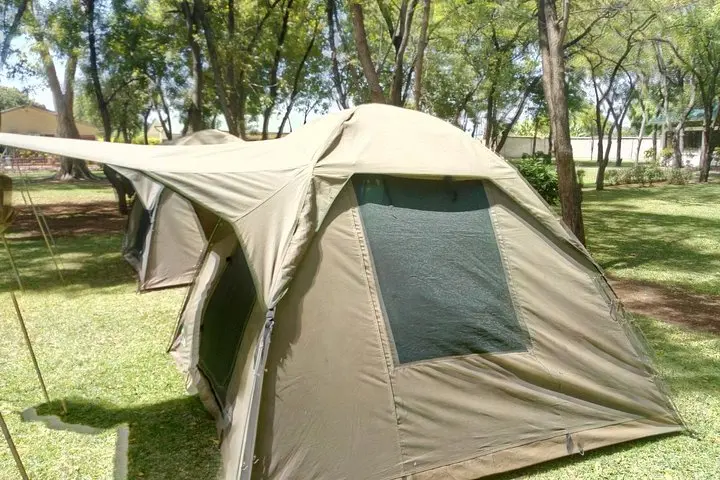
Expect full-day game drives, early starts for peak predator activity, and nights around a campfire or at simple rest houses. Distances: Arusha to Tarangire ≈ 2 hours by 4x4 (roughly 120 km), Ngorongoro descent involves short, steep driving and walking at higher elevation, and Serengeti drives can span multiple hours across variable tracks.
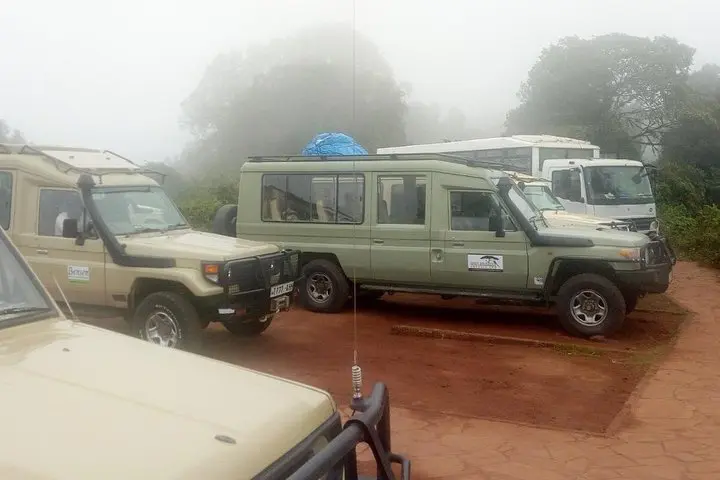
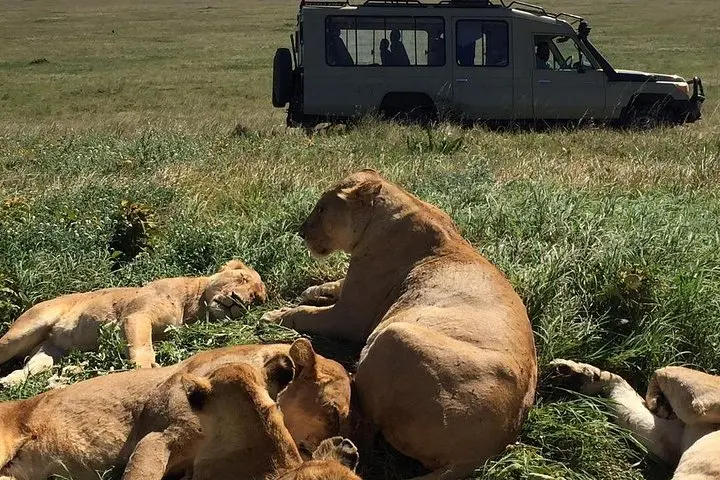
Practical guidance: bring layered clothing for early cold and midday heat, ample water and a reliable pair of binoculars, sun protection and dust-cover for gear. Vehicles are rugged 4x4s with private transport; drives are bumpy and dusty — secure gear and keep cameras ready. Respect park rules: maintain distance from wildlife, follow guides’ instructions, and budget extra time for wildlife stops. This itinerary is a compact, accessible way to see large cats, elephants and crater endemics while supporting local communities.
Most visitors to Tanzania need a visa and should confirm yellow fever vaccination and routine immunizations; consult your travel clinic well before travel.
Northern Serengeti (Seronera) is good year-round for resident predators; large migration concentrations shift seasonally—Jan–Mar (calving around Ndutu) and Jun–Jul (northern crossings) are peak movement periods.
Confirm with your operator — park fees are commonly separate; this tour lists transport and meals but verify entrance fees before booking.
Camps/rest houses used on this itinerary are basic but managed; guides enforce safety around wildlife and campsites, though expect simple facilities and limited power.
SMILE WITH US TOURS IN AFRICA operates guided outdoor trips and adventures with an emphasis on safety, stewardship, and memorable experiences.
Dawn on the savanna arrives like a slow exhale: headlights pick out silhouettes of baobabs, a herd moves with the patience of history, and the Land Cruiser hums toward the first gate. This four-day camping circuit from Arusha threads Tarangire’s elephant-rich plains, the bowl-like hush of Ngorongoro Crater and the broad-open Seronera corridors of the Serengeti.
Dawn on the savanna arrives like a slow exhale: headlights pick out silhouettes of baobabs, a herd moves with the patience of history, and the Land Cruiser hums toward the first gate. This four-day camping circuit from Arusha threads Tarangire’s elephant-rich plains, the bowl-like hush of Ngorongoro Crater and the broad-open Seronera corridors of the Serengeti.
Geology and human history are ever-present here. Tarangire’s river carves lifelines through red soil; Ngorongoro is a collapsed volcano whose rim stands roughly 600–700 meters above the crater floor; the Serengeti’s grasslands record millennia of migration routes still used by wildebeest and predators. Maasai herding culture remains visible in villages and roadside markets, while Olduvai Gorge nearby marks a deep chapter in human origins.
Expect full-day game drives, early starts for peak predator activity, and nights around a campfire or at simple rest houses. Distances: Arusha to Tarangire ≈ 2 hours by 4x4 (roughly 120 km), Ngorongoro descent involves short, steep driving and walking at higher elevation, and Serengeti drives can span multiple hours across variable tracks.
Practical guidance: bring layered clothing for early cold and midday heat, ample water and a reliable pair of binoculars, sun protection and dust-cover for gear. Vehicles are rugged 4x4s with private transport; drives are bumpy and dusty — secure gear and keep cameras ready. Respect park rules: maintain distance from wildlife, follow guides’ instructions, and budget extra time for wildlife stops. This itinerary is a compact, accessible way to see large cats, elephants and crater endemics while supporting local communities.