THE ADVENTURE COLLECTIVE® · Independent discovery and booking for outdoor travel

Four compact days connect Tarangire’s elephants, Lake Manyara’s flamingo-edged wetlands, Ngorongoro’s crater basin and Arusha’s montane forests. Expect long game drives, short cultural visits, and consistent wildlife viewing from a pop-up 4x4.
Four compact days connect Tarangire’s elephants, Lake Manyara’s flamingo-edged wetlands, Ngorongoro’s crater basin and Arusha’s montane forests. Expect long game drives, short cultural visits, and consistent wildlife viewing from a pop-up 4x4.
Morning light breaks over the acacia and baobab silhouettes as your pop-up safari jeep rolls out of Arusha toward Tarangire—dust lifting in the wake of early engines, birds already arguing over the nearest termite mound.
Verified experiences and guided adventures in the surrounding area.
Operated by Serengeti Safari Booking · Arusha, Arusha Region
Morning light breaks over the acacia and baobab silhouettes as your pop-up safari jeep rolls out of Arusha toward Tarangire—dust lifting in the wake of early engines, birds already arguing over the nearest termite mound.
This four-day circuit stitches together distinct ecosystems: Tarangire’s broad floodplain and dense elephant herds (the park covers about 2,850 km² and lies roughly 118 km southwest of Arusha), the alkaline shores and groundwater forest of Lake Manyara with its flamingo flocks, the volcanic basin of Ngorongoro Crater with its enclosed grasslands and concentrations of big game, and the montane mosaics of Arusha National Park under the looming cone of Mount Meru.
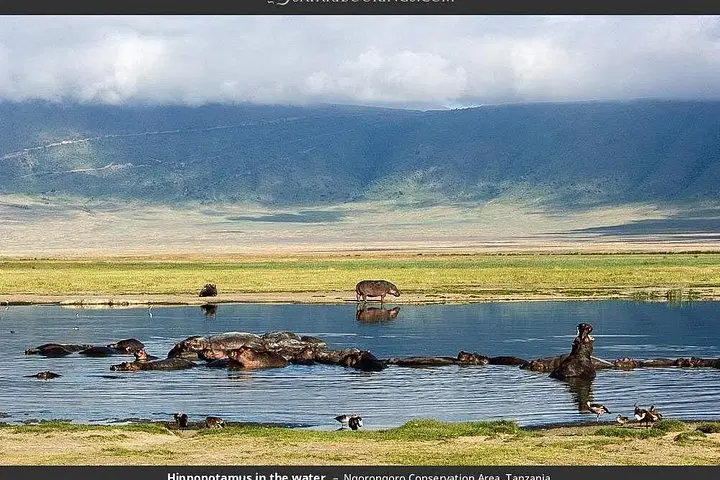
Geology is visible at every turn—Ngorongoro is a collapsed volcanic caldera carved by ancient eruptions, giving a bowl-shaped amphitheater where predators and prey coexist on short grass plains; Mount Meru’s ridgelines channel afternoon storms into the forest.
Culturally, the route passes Maasai bomas and small-town Arusha commerce, where market stalls sell coffee, leather and woven beadwork—local guides connect wildlife sightings to pastoral rhythms and conservation history, including Leakey-era paleoanthropology near Ngorongoro.
Practical guidance: expect daily game drives of about six hours with picnic lunches, road transfers of two to three hours between parks, dusty tracks, and variable elevation. Wear sturdy closed shoes, layer for cool mornings and hot afternoons, carry reusable water and sun protection, and keep binoculars and a camera at hand. Vehicles include pop-up roof 4x4s for unobstructed viewing and occasional guided walking sections. Wildlife encounters are frequent; follow your guide’s instructions and keep respectful distance. This loop balances big-game viewing, birding, and short cultural stops—compact, active, and wildlife-rich.
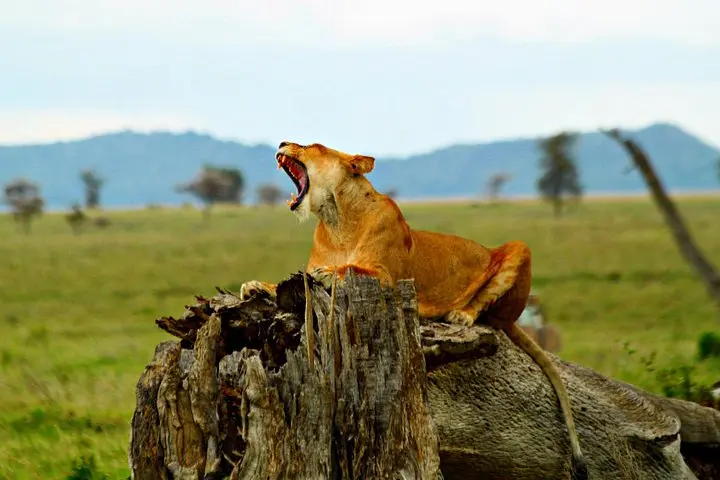
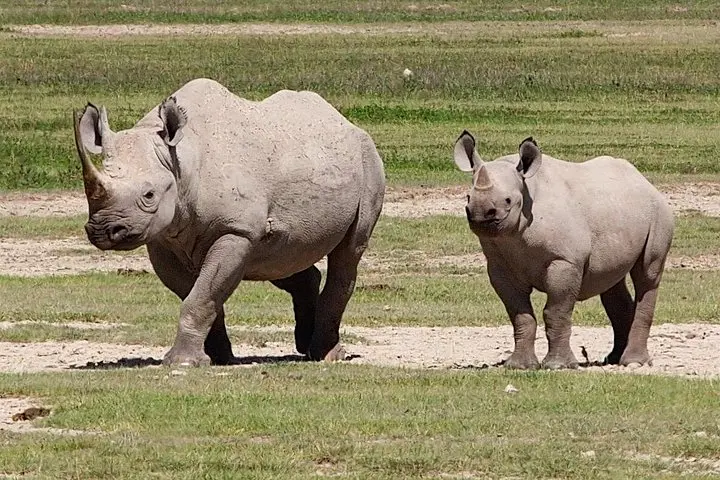
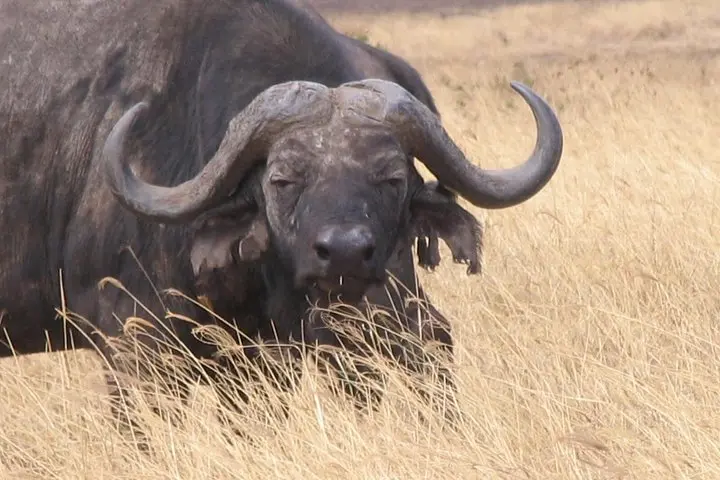
Expect multiple daily sightings of plains species—elephants, zebra, gazelles and buffalo are common; big cats and rhino are possible but not guaranteed.
This shared itinerary states that park entry fees, three nights of accommodation, meals listed, and airport transfers are included—confirm details at booking.
The trip is vehicle-based and listed as suitable for a range of fitness levels, but it isn’t recommended for pregnant travelers or those with serious back or heart conditions—check special requirements before booking.
Guides on this tour are reported to speak English, Spanish and French; verify language needs when you reserve.
Serengeti Safari Booking operates guided outdoor trips and adventures with an emphasis on safety, stewardship, and memorable experiences.
Morning light breaks over the acacia and baobab silhouettes as your pop-up safari jeep rolls out of Arusha toward Tarangire—dust lifting in the wake of early engines, birds already arguing over the nearest termite mound.
Morning light breaks over the acacia and baobab silhouettes as your pop-up safari jeep rolls out of Arusha toward Tarangire—dust lifting in the wake of early engines, birds already arguing over the nearest termite mound.
This four-day circuit stitches together distinct ecosystems: Tarangire’s broad floodplain and dense elephant herds (the park covers about 2,850 km² and lies roughly 118 km southwest of Arusha), the alkaline shores and groundwater forest of Lake Manyara with its flamingo flocks, the volcanic basin of Ngorongoro Crater with its enclosed grasslands and concentrations of big game, and the montane mosaics of Arusha National Park under the looming cone of Mount Meru.
Geology is visible at every turn—Ngorongoro is a collapsed volcanic caldera carved by ancient eruptions, giving a bowl-shaped amphitheater where predators and prey coexist on short grass plains; Mount Meru’s ridgelines channel afternoon storms into the forest.
Culturally, the route passes Maasai bomas and small-town Arusha commerce, where market stalls sell coffee, leather and woven beadwork—local guides connect wildlife sightings to pastoral rhythms and conservation history, including Leakey-era paleoanthropology near Ngorongoro.
Practical guidance: expect daily game drives of about six hours with picnic lunches, road transfers of two to three hours between parks, dusty tracks, and variable elevation. Wear sturdy closed shoes, layer for cool mornings and hot afternoons, carry reusable water and sun protection, and keep binoculars and a camera at hand. Vehicles include pop-up roof 4x4s for unobstructed viewing and occasional guided walking sections. Wildlife encounters are frequent; follow your guide’s instructions and keep respectful distance. This loop balances big-game viewing, birding, and short cultural stops—compact, active, and wildlife-rich.