THE ADVENTURE COLLECTIVE® · Independent discovery and booking for outdoor travel

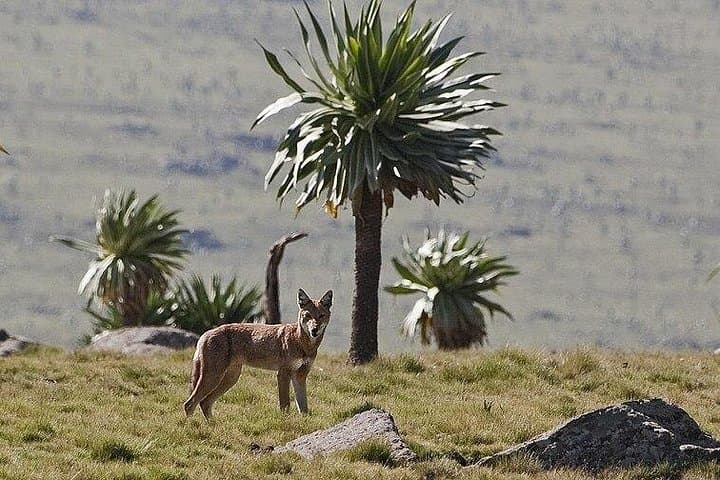
Spend four days crossing Ethiopia’s high escarpment on a demanding trek to Buwahit and Ras Dejen. Expect steep ridgelines, endemic wildlife (Walia ibex, geladas), mule-supported camps, and close cultural exchanges in mountain villages.
Spend four days crossing Ethiopia’s high escarpment on a demanding trek to Buwahit and Ras Dejen. Expect steep ridgelines, endemic wildlife (Walia ibex, geladas), mule-supported camps, and close cultural exchanges in mountain villages.
A cold light breaks across the high plateau and the Simien escarpment throws a long shadow down into the valleys below. On day one hikers step off a vehicle at Sankaber and immediately meet the range’s rhythm: steep ridgelines, sudden cliffs, and the chatter of gelada baboons that claim the grassy ledges. The Jinbar River dares the cliff’s edge with a waterfall that plunges toward the foothills, while distant domes and lava-carved buttresses keep watch.
Verified experiences and guided adventures in the surrounding area.
Operated by Ethio Travel And Tours · Debark, Amhara
A cold light breaks across the high plateau and the Simien escarpment throws a long shadow down into the valleys below. On day one hikers step off a vehicle at Sankaber and immediately meet the range’s rhythm: steep ridgelines, sudden cliffs, and the chatter of gelada baboons that claim the grassy ledges. The Jinbar River dares the cliff’s edge with a waterfall that plunges toward the foothills, while distant domes and lava-carved buttresses keep watch.
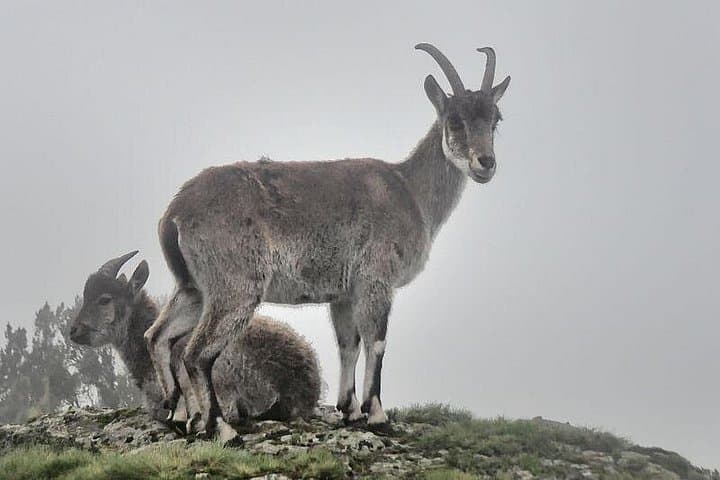
Designated a national park in 1966 and a UNESCO World Heritage site in 1978, the Simien Mountains are volcanic and heavily eroded — an abrupt escarpment cut into plateaus, towers and deep abyss-like valleys. Cultural life clings to small villages of barley and teff; visitors often share a traditional coffee ceremony in Gich and see muleteers moving camp gear along narrow trails. Wildlife is a primary draw: Walia ibex, gelada baboons and the lammergeier inhabit the cliffs and campsites.
Practically, expect four days of campsite-to-campsite trekking with high passes (summits near 4,070–4,430 m and Ras Dejen at 4,543 m visible), steep ascents and loose volcanic scree on descents. Permits and a park ranger are compulsory; mules carry heavy luggage but hikers should carry a daypack. Start early for views and wildlife activity, hydrate to manage altitude, and layer for sun, wind and sudden cold. Nights are camping nights; the outfit includes tents, sleeping mats and meals, but bring a warm sleeping bag, sturdy boots and a light first-aid kit. This is an alpine-grade trek: demanding but richly rewarded with dramatic geology, endemic wildlife and close cultural encounters.
Previous experience with long hikes and altitude is strongly recommended; the itinerary reaches over 4,000 m and includes sustained ascents and descents.
Yes — park entrance fees and a compulsory park ranger are included in the trip inclusions.
Mules and muleteers transport heavy luggage and camp equipment; hikers should carry a daypack with essentials.
The trip provides tents, mattresses, sleeping bags, cooked meals and mineral water; expect simple but hearty Ethiopian-style camp meals.
Ethio Travel And Tours operates guided outdoor trips and adventures with an emphasis on safety, stewardship, and memorable experiences.

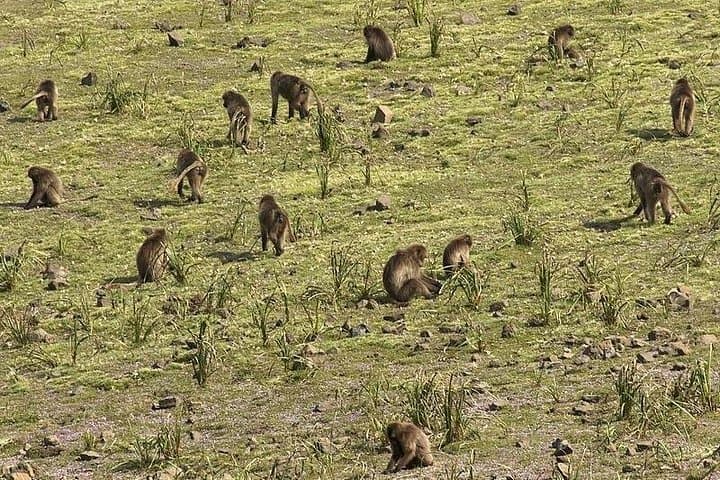
A cold light breaks across the high plateau and the Simien escarpment throws a long shadow down into the valleys below. On day one hikers step off a vehicle at Sankaber and immediately meet the range’s rhythm: steep ridgelines, sudden cliffs, and the chatter of gelada baboons that claim the grassy ledges. The Jinbar River dares the cliff’s edge with a waterfall that plunges toward the foothills, while distant domes and lava-carved buttresses keep watch.
A cold light breaks across the high plateau and the Simien escarpment throws a long shadow down into the valleys below. On day one hikers step off a vehicle at Sankaber and immediately meet the range’s rhythm: steep ridgelines, sudden cliffs, and the chatter of gelada baboons that claim the grassy ledges. The Jinbar River dares the cliff’s edge with a waterfall that plunges toward the foothills, while distant domes and lava-carved buttresses keep watch.
Designated a national park in 1966 and a UNESCO World Heritage site in 1978, the Simien Mountains are volcanic and heavily eroded — an abrupt escarpment cut into plateaus, towers and deep abyss-like valleys. Cultural life clings to small villages of barley and teff; visitors often share a traditional coffee ceremony in Gich and see muleteers moving camp gear along narrow trails. Wildlife is a primary draw: Walia ibex, gelada baboons and the lammergeier inhabit the cliffs and campsites.
Practically, expect four days of campsite-to-campsite trekking with high passes (summits near 4,070–4,430 m and Ras Dejen at 4,543 m visible), steep ascents and loose volcanic scree on descents. Permits and a park ranger are compulsory; mules carry heavy luggage but hikers should carry a daypack. Start early for views and wildlife activity, hydrate to manage altitude, and layer for sun, wind and sudden cold. Nights are camping nights; the outfit includes tents, sleeping mats and meals, but bring a warm sleeping bag, sturdy boots and a light first-aid kit. This is an alpine-grade trek: demanding but richly rewarded with dramatic geology, endemic wildlife and close cultural encounters.