THE ADVENTURE COLLECTIVE® · Independent discovery and booking for outdoor travel

Four days of high-altitude trekking across the dramatic escarpments of the Simien Mountains, from Sankaber campsites to Buwahit peak. Expect long ridge walks, endemic wildlife sightings, and exposed camps above 3,500 m.
Four days of high-altitude trekking across the dramatic escarpments of the Simien Mountains, from Sankaber campsites to Buwahit peak. Expect long ridge walks, endemic wildlife sightings, and exposed camps above 3,500 m.
A wind-driven morning on the high plateau sets the pace: you push past thin air and a scatter of volcanic rock, a trail that folds over a ridge and spills into an abyss where the Jinbar River plunges away. On this four-day loop you move between sharp escarpments and wide, sun-baked plateaus—each campsite a plain-stage for the region’s endemic wildlife.
Verified experiences and guided adventures in the surrounding area.
Operated by North Ethiopian Tour Operator · Debark, Amhara Region
A wind-driven morning on the high plateau sets the pace: you push past thin air and a scatter of volcanic rock, a trail that folds over a ridge and spills into an abyss where the Jinbar River plunges away. On this four-day loop you move between sharp escarpments and wide, sun-baked plateaus—each campsite a plain-stage for the region’s endemic wildlife.
The Simien range is ancient volcanic rock carved by millennia of erosion; its steep escarpments and deep canyons earned the park UNESCO World Heritage status. Local communities in Gondar and Debark have long grazed these highlands, and the landscape still bears stone walls and shepherd tracks. Gelada baboons, Walia ibex and the Ethiopian red fox are not just wildlife but living signposts to the park’s isolation.
Expect sustained uphill and downhill over mixed terrain—rocky ridgelines, grassy benches and loose scree—reaching 4,430 m at Buwahit. Night temperatures drop sharply; camps sit exposed to wind. Guides and scouts included in most trips provide local knowledge, while cooks manage highland meals.
Practical: plan for altitude by arriving earlier in Gondar or Debark to acclimatize, pack layered insulation and a good sleeping bag (tents and mattresses usually provided). Carry at least 2–3 liters of water plus a filtration option, and use trekking poles on long descents. Timing matters—avoid the heavy rains from June through September. With moderate to strong fitness and respect for changing mountain weather, this trek delivers raw, high-altitude scenery and real encounters with Ethiopia’s most iconic highland species.
The route reaches 4,430 m; altitude effects are common—allow acclimatization time in Gondar/Debark and communicate any symptoms with guides.
Yes—tents, sleeping mattresses and sleeping bags are typically provided, with a professional cook and daily meals included.
No technical climbing skills required; this is a trekking itinerary with steep sections but no ropes or technical gear.
October–February offers the driest, clearest conditions; avoid the main rains from June–September which make trails muddy and slippery.
North Ethiopian Tour Operator operates guided outdoor trips and adventures with an emphasis on safety, stewardship, and memorable experiences.


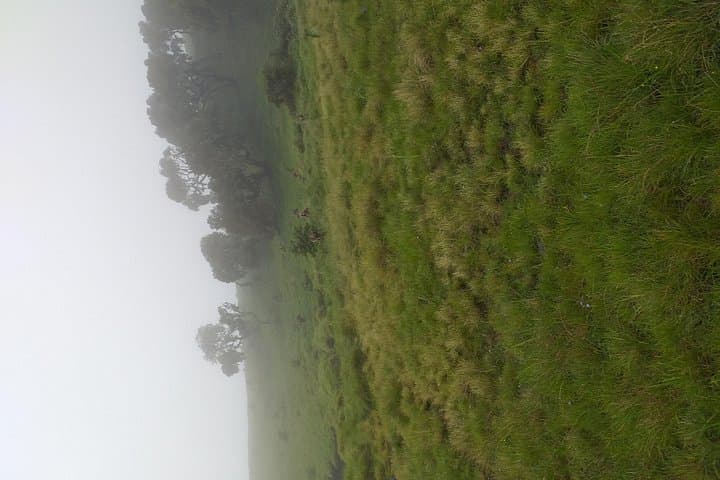
A wind-driven morning on the high plateau sets the pace: you push past thin air and a scatter of volcanic rock, a trail that folds over a ridge and spills into an abyss where the Jinbar River plunges away. On this four-day loop you move between sharp escarpments and wide, sun-baked plateaus—each campsite a plain-stage for the region’s endemic wildlife.
A wind-driven morning on the high plateau sets the pace: you push past thin air and a scatter of volcanic rock, a trail that folds over a ridge and spills into an abyss where the Jinbar River plunges away. On this four-day loop you move between sharp escarpments and wide, sun-baked plateaus—each campsite a plain-stage for the region’s endemic wildlife.
The Simien range is ancient volcanic rock carved by millennia of erosion; its steep escarpments and deep canyons earned the park UNESCO World Heritage status. Local communities in Gondar and Debark have long grazed these highlands, and the landscape still bears stone walls and shepherd tracks. Gelada baboons, Walia ibex and the Ethiopian red fox are not just wildlife but living signposts to the park’s isolation.
Expect sustained uphill and downhill over mixed terrain—rocky ridgelines, grassy benches and loose scree—reaching 4,430 m at Buwahit. Night temperatures drop sharply; camps sit exposed to wind. Guides and scouts included in most trips provide local knowledge, while cooks manage highland meals.
Practical: plan for altitude by arriving earlier in Gondar or Debark to acclimatize, pack layered insulation and a good sleeping bag (tents and mattresses usually provided). Carry at least 2–3 liters of water plus a filtration option, and use trekking poles on long descents. Timing matters—avoid the heavy rains from June through September. With moderate to strong fitness and respect for changing mountain weather, this trek delivers raw, high-altitude scenery and real encounters with Ethiopia’s most iconic highland species.