THE ADVENTURE COLLECTIVE® · Independent discovery and booking for outdoor travel

A four-day traverse from Sirimon Gate to Naromoru climbs rainforest, bamboo and moorland to reach Point Lenana (4,985 m). Expect steep elevation gains, cold summit conditions, and a mix of volcanic geology and alpine flora.
A four-day traverse from Sirimon Gate to Naromoru climbs rainforest, bamboo and moorland to reach Point Lenana (4,985 m). Expect steep elevation gains, cold summit conditions, and a mix of volcanic geology and alpine flora.
Morning light slides across a cold shoulder of rock and peat as you step through Sirimon Gate, the forest closing behind you like a living wall. The trail moves up from tropical lowland, pushing through bamboo that brushes your legs and into moorland where giant lobelias stand like weathered guardians. By the time you reach Old Moses Hut at ~3,300 m, condensation beads on your jacket and the mountain’s higher ridges have begun to claim the sky.
Verified experiences and guided adventures in the surrounding area.
Operated by PONGEZI AFRICA SAFARIS · Nanyuki, Laikipia County
Morning light slides across a cold shoulder of rock and peat as you step through Sirimon Gate, the forest closing behind you like a living wall. The trail moves up from tropical lowland, pushing through bamboo that brushes your legs and into moorland where giant lobelias stand like weathered guardians. By the time you reach Old Moses Hut at ~3,300 m, condensation beads on your jacket and the mountain’s higher ridges have begun to claim the sky.
Mount Kenya is a volcanic massif shaped by glaciers; its horned peaks are the eroded cores of an ancient volcano. The ranges are part of Mount Kenya National Park, a UNESCO World Heritage site and a sacred landmark for local communities including the Kikuyu, who revere the mountain as a source of life and water. Colonial-era maps labeled its peaks; modern routes like Sirimon trace animal trails across mossy gullies and tussock slopes.
The Sirimon–Shipton–Lenana–Naromoru itinerary is practical and direct: hike from Sirimon Gate through rainforest to Old Moses Hut (3,300 m), ascend Mackinder’s Valley to Shipton’s Camp (4,200 m), summit Lenana (4,985 m) at dawn, then descend via Met Station to Naromoru. Expect steep gains, loose scree near the summit, cold pre-dawn temperatures, and dramatically shifting microclimates.
Practical guidance: hire a licensed guide and porters, carry layered insulation for below-freezing summit conditions, pace conservatively to manage altitude (allow rest and short acclimatization on Day 2), and bring a headlamp for the pre-dawn push. Water treatment, sturdy boots with ankle support, and a lightweight down layer make the difference between a tough day and a safe summit.
No—Point Lenana (4,985 m) on the Sirimon route is a non-technical trek; you need good fitness and acclimatization but not ropes or crampons in normal conditions.
Yes—mountain entry and camping fees apply and guides must be registered; fees are collected by Mount Kenya National Park authorities.
Temperatures can drop below freezing before sunrise at higher camps and the summit—bring an insulated jacket, hat and gloves.
Yes—local porters are typically available through the operator to carry heavier gear allowing you to carry a daypack for summit essentials.
PONGEZI AFRICA SAFARIS operates guided outdoor trips and adventures with an emphasis on safety, stewardship, and memorable experiences.
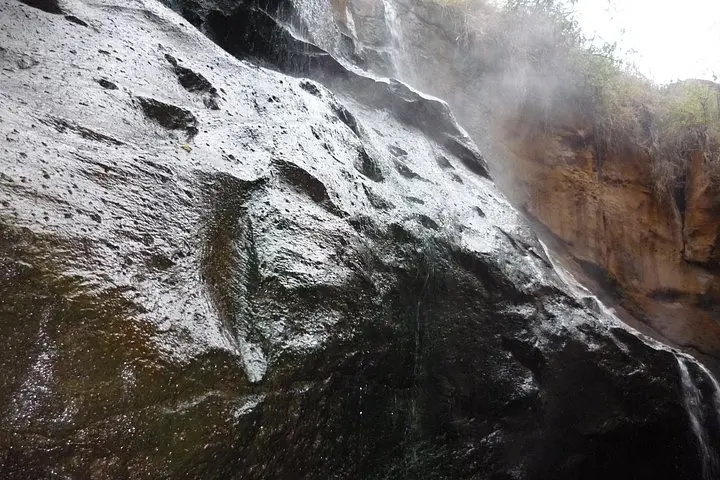
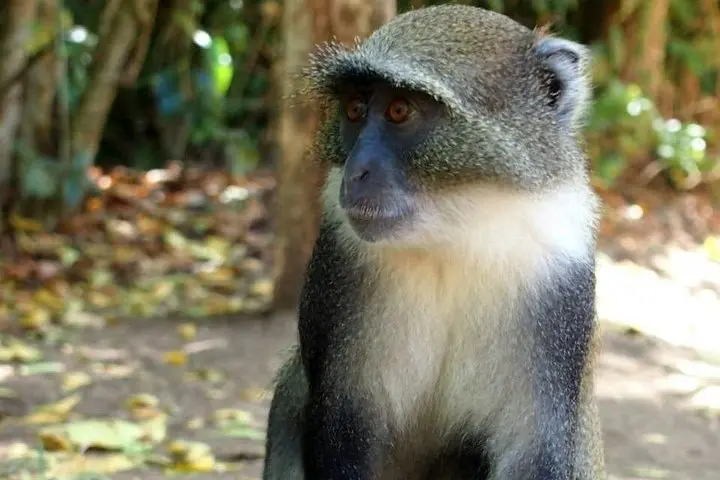
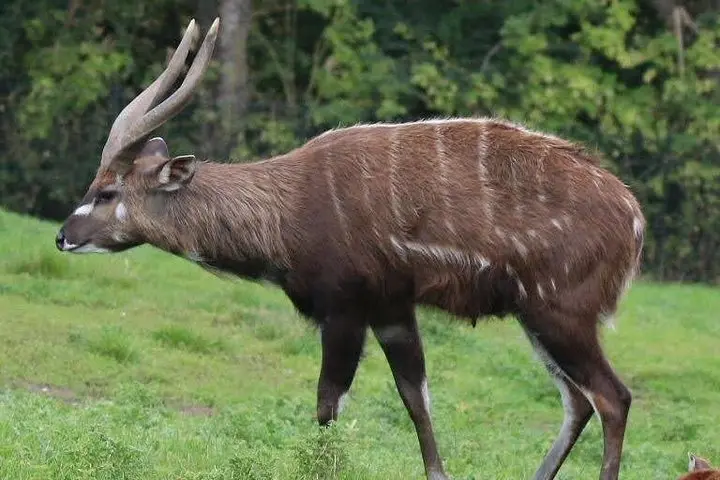
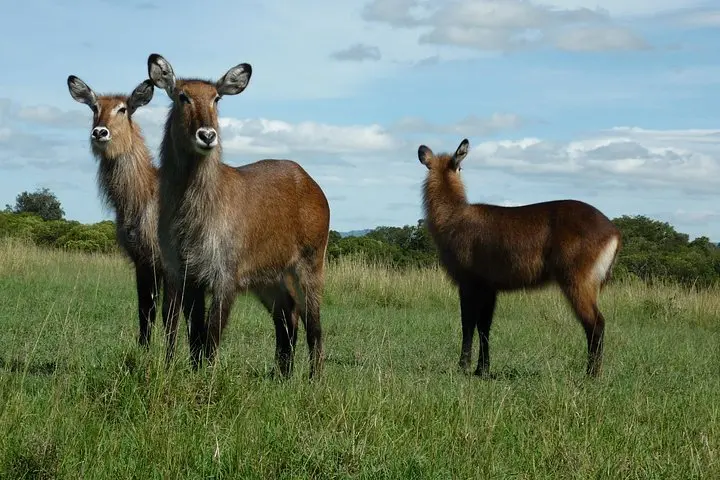
Morning light slides across a cold shoulder of rock and peat as you step through Sirimon Gate, the forest closing behind you like a living wall. The trail moves up from tropical lowland, pushing through bamboo that brushes your legs and into moorland where giant lobelias stand like weathered guardians. By the time you reach Old Moses Hut at ~3,300 m, condensation beads on your jacket and the mountain’s higher ridges have begun to claim the sky.
Morning light slides across a cold shoulder of rock and peat as you step through Sirimon Gate, the forest closing behind you like a living wall. The trail moves up from tropical lowland, pushing through bamboo that brushes your legs and into moorland where giant lobelias stand like weathered guardians. By the time you reach Old Moses Hut at ~3,300 m, condensation beads on your jacket and the mountain’s higher ridges have begun to claim the sky.
Mount Kenya is a volcanic massif shaped by glaciers; its horned peaks are the eroded cores of an ancient volcano. The ranges are part of Mount Kenya National Park, a UNESCO World Heritage site and a sacred landmark for local communities including the Kikuyu, who revere the mountain as a source of life and water. Colonial-era maps labeled its peaks; modern routes like Sirimon trace animal trails across mossy gullies and tussock slopes.
The Sirimon–Shipton–Lenana–Naromoru itinerary is practical and direct: hike from Sirimon Gate through rainforest to Old Moses Hut (3,300 m), ascend Mackinder’s Valley to Shipton’s Camp (4,200 m), summit Lenana (4,985 m) at dawn, then descend via Met Station to Naromoru. Expect steep gains, loose scree near the summit, cold pre-dawn temperatures, and dramatically shifting microclimates.
Practical guidance: hire a licensed guide and porters, carry layered insulation for below-freezing summit conditions, pace conservatively to manage altitude (allow rest and short acclimatization on Day 2), and bring a headlamp for the pre-dawn push. Water treatment, sturdy boots with ankle support, and a lightweight down layer make the difference between a tough day and a safe summit.