THE ADVENTURE COLLECTIVE® · Independent discovery and booking for outdoor travel

Cross Pallastunturi’s winter fells on a four-day, small-group snowshoe trek. Expect long daylight hikes, wilderness huts, a lakeshore start on Ounasjärvi, and classic Lapland winter scenery.
Cross Pallastunturi’s winter fells on a four-day, small-group snowshoe trek. Expect long daylight hikes, wilderness huts, a lakeshore start on Ounasjärvi, and classic Lapland winter scenery.
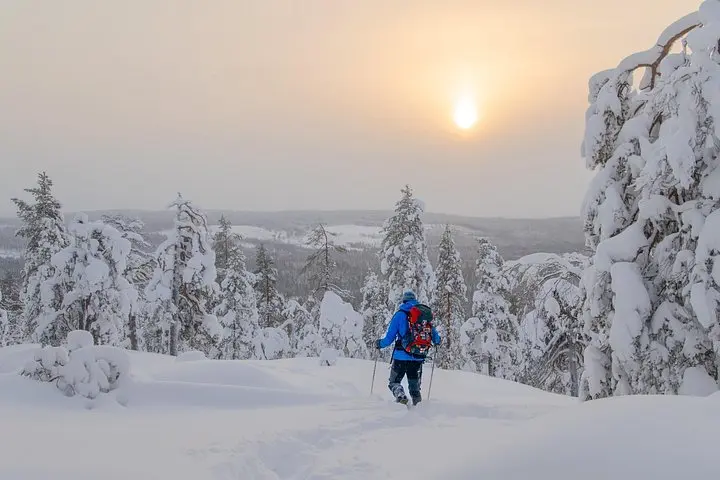
Snow underfoot and a sky the color of cold steel—the first step onto Ounasjärvi freezes the noise of the road behind you and makes the world simple: breath, snowshoe, keep moving.
Verified experiences and guided adventures in the surrounding area.
Operated by Nordic Odyssey · Hetta, Lapland
Snow underfoot and a sky the color of cold steel—the first step onto Ounasjärvi freezes the noise of the road behind you and makes the world simple: breath, snowshoe, keep moving.
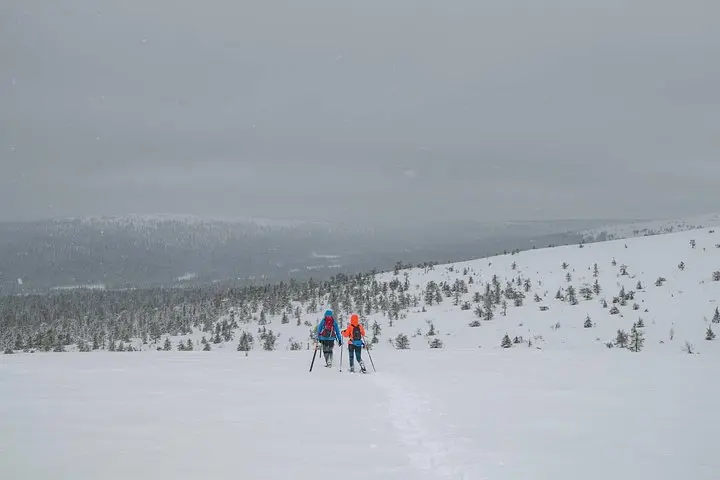
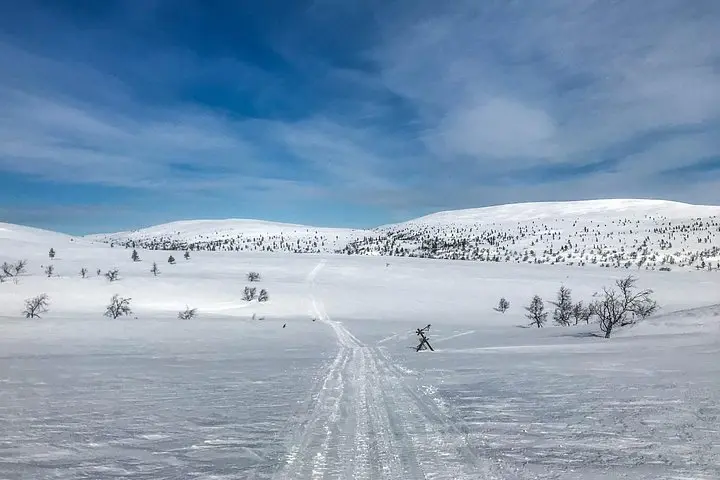
Across four days you'll cross fells carved by glaciers, follow ridgelines that open into broad tundra, and thread silent pine stands that hold the winter light. Pallastunturi, part of Pallas–Yllästunturi National Park, is geologically young in appearance but shaped by ancient ice: rounded fells, glacial valleys, and countless frozen tarns. Sámi herding culture and low-density reindeer grazing remain visible in the tracks and seasonal routes that cut through the park.
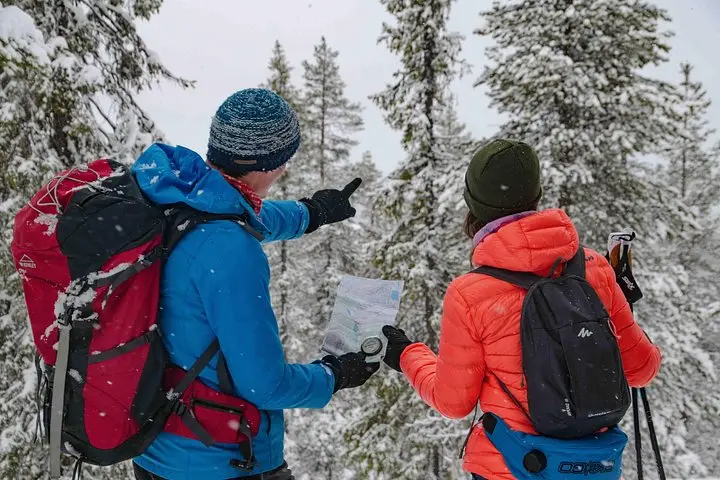
The itinerary moves steadily—5–6 hour days on day one and two, a shorter summit or valley option on day three, and a final 10 km push to Pallas ski resort—each night in heated wilderness huts with simple Finnish meals and the chance of Northern Lights overhead. Expect snowshoes, poles, guide-led route finding, and basic hut comforts (sleeping berths, wood stoves, and a sauna on night two).
Practical guidance: travel prepared for deep cold and changing weather—layer for venting, protect exposed skin, and hydrate deliberately even when it feels unnecessary. Footwear with a rigid sole and waterproof gaiters helps on crusted snow and wind-scoured ridges. Allow time for slow, steady progress; the terrain is not technical but winter conditions amplify every kilometre.
This trip rewards steady effort with sweeping panoramas, quiet wildlife moments, and the distinct rhythm of moving through high Arctic winter on foot.
Temperatures commonly range from -5°C to -25°C depending on the month and weather; wind chill can make it feel colder, so dress in layers and bring quality insulation.
No advanced skills required—basic prior snowshoe or winter hiking experience and a moderate fitness level are recommended since days are long and conditions demanding.
Nights are in heated wilderness huts with sleeping berths, communal dining, and wood stoves; one hut includes access to a traditional sauna.
Yes—tracks and occasional sightings of reindeer and wader birds are common; moose and larger predators are possible but less frequently seen during winter.
Nordic Odyssey operates guided outdoor trips and adventures with an emphasis on safety, stewardship, and memorable experiences.
Snow underfoot and a sky the color of cold steel—the first step onto Ounasjärvi freezes the noise of the road behind you and makes the world simple: breath, snowshoe, keep moving.
Snow underfoot and a sky the color of cold steel—the first step onto Ounasjärvi freezes the noise of the road behind you and makes the world simple: breath, snowshoe, keep moving.
Across four days you'll cross fells carved by glaciers, follow ridgelines that open into broad tundra, and thread silent pine stands that hold the winter light. Pallastunturi, part of Pallas–Yllästunturi National Park, is geologically young in appearance but shaped by ancient ice: rounded fells, glacial valleys, and countless frozen tarns. Sámi herding culture and low-density reindeer grazing remain visible in the tracks and seasonal routes that cut through the park.
The itinerary moves steadily—5–6 hour days on day one and two, a shorter summit or valley option on day three, and a final 10 km push to Pallas ski resort—each night in heated wilderness huts with simple Finnish meals and the chance of Northern Lights overhead. Expect snowshoes, poles, guide-led route finding, and basic hut comforts (sleeping berths, wood stoves, and a sauna on night two).
Practical guidance: travel prepared for deep cold and changing weather—layer for venting, protect exposed skin, and hydrate deliberately even when it feels unnecessary. Footwear with a rigid sole and waterproof gaiters helps on crusted snow and wind-scoured ridges. Allow time for slow, steady progress; the terrain is not technical but winter conditions amplify every kilometre.
This trip rewards steady effort with sweeping panoramas, quiet wildlife moments, and the distinct rhythm of moving through high Arctic winter on foot.