THE ADVENTURE COLLECTIVE® · Independent discovery and booking for outdoor travel

Explore four days of Turkey’s earliest ritual sites, Roman mosaics and a sunset on Mount Nemrut. This private tour combines short hikes, museum visits and regional cuisine with guided context at every turn.
Explore four days of Turkey’s earliest ritual sites, Roman mosaics and a sunset on Mount Nemrut. This private tour combines short hikes, museum visits and regional cuisine with guided context at every turn.
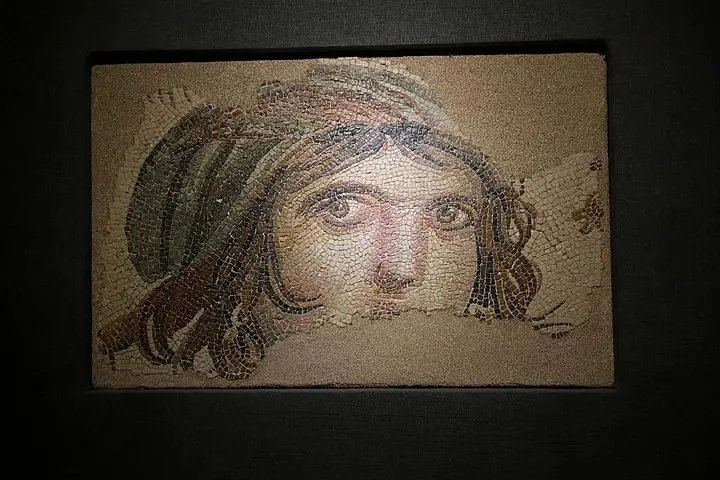
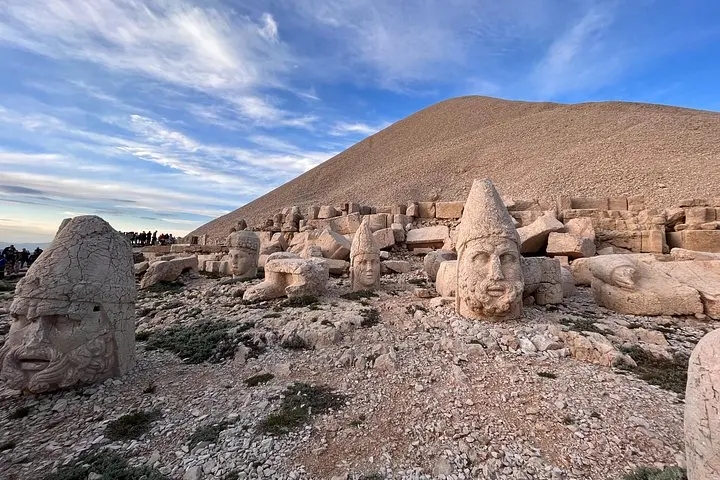
Dawn finds the group on an air-conditioned minibus cutting across Anatolia—the land rolling open like pages of history. By late afternoon the carapace of the past appears: mosaics in Gaziantep glittering under museum lights, the carved T-pillars of Göbeklitepe rising from a wind-buffed ridge, and finally the colossal stone faces on Mount Nemrut silhouetted against a molten sunset.
Verified experiences and guided adventures in the surrounding area.
Operated by Wow Cappadocia · Sanliurfa, Sanliurfa Province
Dawn finds the group on an air-conditioned minibus cutting across Anatolia—the land rolling open like pages of history. By late afternoon the carapace of the past appears: mosaics in Gaziantep glittering under museum lights, the carved T-pillars of Göbeklitepe rising from a wind-buffed ridge, and finally the colossal stone faces on Mount Nemrut silhouetted against a molten sunset.
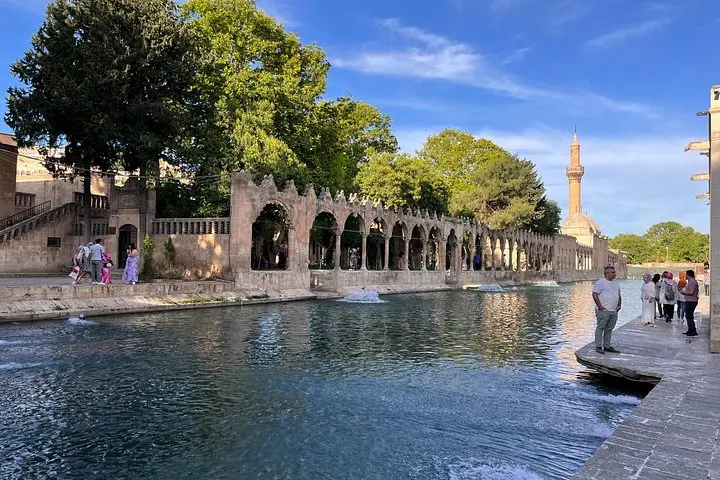
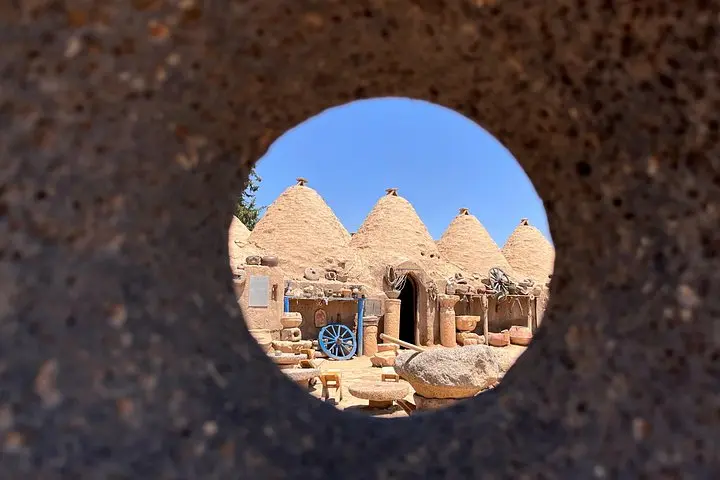
This four-day loop threads UNESCO sites and regional culture. Göbeklitepe (c. 9600–8200 BCE) rewrote ideas about early ritual architecture; Karahantepe, nearby, is a cousin site still under excavation with lively, less formal carvings. Gaziantep’s Zeugma mosaics showcase Roman domestic art, while Sanliurfa — the “City of Prophets” — layers Islamic, Byzantine and prehistoric stories around the Pool of Abraham. Geologically this region sits between Anatolian plateaus and Mesopotamian plains; limestone outcrops and steppe adapt vegetation to long dry summers and windy winters.
Practical notes: expect long drives with staged stops, museum entries, and short to moderate walks—Nemrut requires a roughly 20-minute uphill walk on loose gravel to view the summit statues at sunset. Bring layers for rapid temperature swings, sturdy shoes for uneven paths, and your passport for admissions. Timed lighting matters: Göbeklitepe is best visited earlier in the day, Nemrut for sunset (or sunrise if you can spare the hour).
The itinerary balances archaeology with practical comfort—hotels, meals, and local guides reduce logistics so travelers can focus on the landscapes and stones that have watched this region for millennia.
Daily activities include short to moderate walks (30–90 minutes) at museum sites and a 20-minute uphill walk to Mount Nemrut’s summit viewpoint.
Yes—admission fees to museums on the itinerary are included as listed in the trip inclusions.
Infant seats are available, but the tour is not recommended for pregnant travelers or those with serious cardiovascular issues; moderate fitness is required.
Yes—on day four you may choose a scenic drive back to Cappadocia or an included flight from Adiyaman to Istanbul.
Wow Cappadocia operates guided outdoor trips and adventures with an emphasis on safety, stewardship, and memorable experiences.
Dawn finds the group on an air-conditioned minibus cutting across Anatolia—the land rolling open like pages of history. By late afternoon the carapace of the past appears: mosaics in Gaziantep glittering under museum lights, the carved T-pillars of Göbeklitepe rising from a wind-buffed ridge, and finally the colossal stone faces on Mount Nemrut silhouetted against a molten sunset.
Dawn finds the group on an air-conditioned minibus cutting across Anatolia—the land rolling open like pages of history. By late afternoon the carapace of the past appears: mosaics in Gaziantep glittering under museum lights, the carved T-pillars of Göbeklitepe rising from a wind-buffed ridge, and finally the colossal stone faces on Mount Nemrut silhouetted against a molten sunset.
This four-day loop threads UNESCO sites and regional culture. Göbeklitepe (c. 9600–8200 BCE) rewrote ideas about early ritual architecture; Karahantepe, nearby, is a cousin site still under excavation with lively, less formal carvings. Gaziantep’s Zeugma mosaics showcase Roman domestic art, while Sanliurfa — the “City of Prophets” — layers Islamic, Byzantine and prehistoric stories around the Pool of Abraham. Geologically this region sits between Anatolian plateaus and Mesopotamian plains; limestone outcrops and steppe adapt vegetation to long dry summers and windy winters.
Practical notes: expect long drives with staged stops, museum entries, and short to moderate walks—Nemrut requires a roughly 20-minute uphill walk on loose gravel to view the summit statues at sunset. Bring layers for rapid temperature swings, sturdy shoes for uneven paths, and your passport for admissions. Timed lighting matters: Göbeklitepe is best visited earlier in the day, Nemrut for sunset (or sunrise if you can spare the hour).
The itinerary balances archaeology with practical comfort—hotels, meals, and local guides reduce logistics so travelers can focus on the landscapes and stones that have watched this region for millennia.