THE ADVENTURE COLLECTIVE® · Independent discovery and booking for outdoor travel

Four days of trains, cable cars and short alpine hikes take you from the Matterhorn’s shadow to the Aletsch Glacier and the Jungfrau valleys. This tour pairs iconic panoramas with quieter mountain villages for an efficient, high‑reward Swiss Alps experience.
Four days of trains, cable cars and short alpine hikes take you from the Matterhorn’s shadow to the Aletsch Glacier and the Jungfrau valleys. This tour pairs iconic panoramas with quieter mountain villages for an efficient, high‑reward Swiss Alps experience.
A cold metal rail hums beneath your palms as the cogwheel train pulls out of Zermatt, clouds parting to reveal the ragged silhouette of the Matterhorn. Over four days you move through shifting alpine moods: glacial shine on Klein Matterhorn, the green bowl of Bachalpsee, and a string of car-free villages where bells and cowpatters punctuate silence.
Verified experiences and guided adventures in the surrounding area.
Operated by Trekking Switzerland · Interlaken, Bern
A cold metal rail hums beneath your palms as the cogwheel train pulls out of Zermatt, clouds parting to reveal the ragged silhouette of the Matterhorn. Over four days you move through shifting alpine moods: glacial shine on Klein Matterhorn, the green bowl of Bachalpsee, and a string of car-free villages where bells and cowpatters punctuate silence.
Geology here reads like a field guide to mountain-building: granite spires and glaciated valleys carved by the Rhône and Aletsch systems. The Aletsch Glacier, viewed from Eggishorn (2,869 m), is Europe’s longest living ice, while Gornergrat (3,089 m) frames the Matterhorn against a ridge of 4,000‑meter giants. Culturally, the Valais and Bernese Oberland preserve alpine pastoral traditions—alp cheese, seasonal transhumance, and villages such as Gimmelwald and Mürren that remain intentionally vehicle-free.
Expect a travel rhythm built on Swiss trains, gondolas, and short hikes: easy to moderate day walks (Bachalpsee ~2–3 hours round trip), high‑alpine viewpoints accessed by cable car, and photo stops—each with minimal foot travel but substantial elevation. Weather turns fast; mornings bring glassy vistas, afternoons can layer in wind and snow even in summer.
Practical guidance: pack lightweight insulating layers, a waterproof shell, and sturdy boots; allow time for short acclimatization stops above 2,500–3,000 m. Buy a Swiss Travel Pass option if you plan extra detours—rail and cable connections run like clockwork. Hydrate, keep pace on ascents, and respect marked trails: the mountains reward patience with clear light and near-empty viewpoints.
No—most highlights are reached by train or cable car with short walks; moderate fitness is sufficient for optional hikes like Bachalpsee.
The itinerary uses a mix of scheduled Swiss trains, gondolas, funiculars and local buses—operators provide connections but check timetables for late‑season variations.
Peak summer and holiday periods benefit from pre-booking popular cable cars (Klein Matterhorn, Gornergrat) and any high‑altitude restaurants like Mittelallalin’s revolving dining.
Yes—many villages are stroller‑friendly and activities are low‑impact, but plan for altitude and cold at higher stations and bring child carriers for steeper short hikes.
Trekking Switzerland operates guided outdoor trips and adventures with an emphasis on safety, stewardship, and memorable experiences.
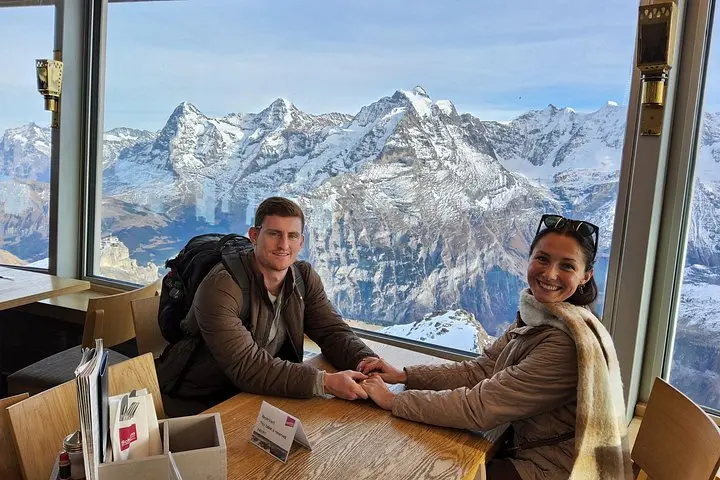
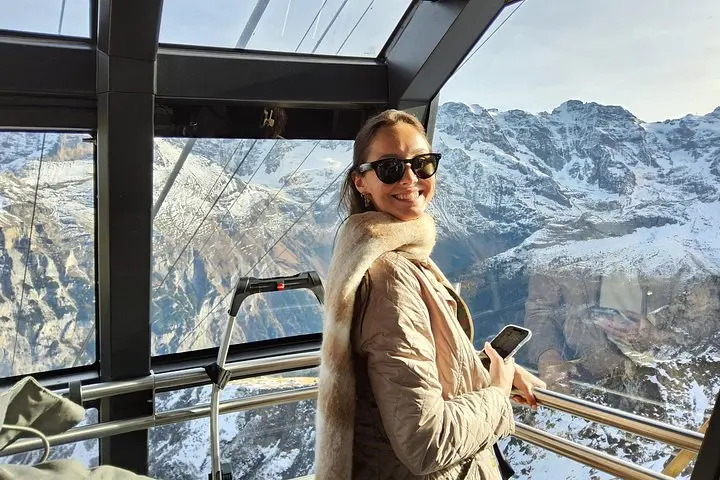
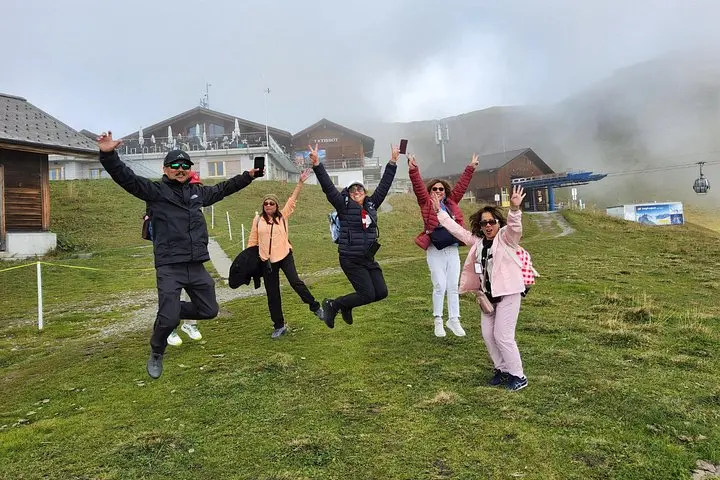
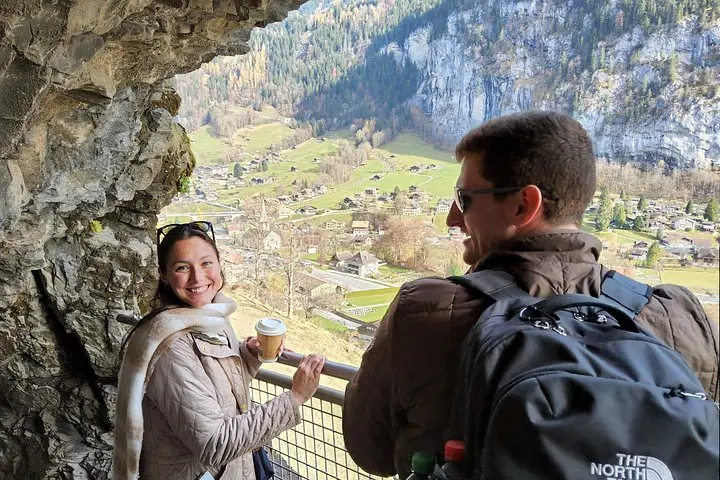
A cold metal rail hums beneath your palms as the cogwheel train pulls out of Zermatt, clouds parting to reveal the ragged silhouette of the Matterhorn. Over four days you move through shifting alpine moods: glacial shine on Klein Matterhorn, the green bowl of Bachalpsee, and a string of car-free villages where bells and cowpatters punctuate silence.
A cold metal rail hums beneath your palms as the cogwheel train pulls out of Zermatt, clouds parting to reveal the ragged silhouette of the Matterhorn. Over four days you move through shifting alpine moods: glacial shine on Klein Matterhorn, the green bowl of Bachalpsee, and a string of car-free villages where bells and cowpatters punctuate silence.
Geology here reads like a field guide to mountain-building: granite spires and glaciated valleys carved by the Rhône and Aletsch systems. The Aletsch Glacier, viewed from Eggishorn (2,869 m), is Europe’s longest living ice, while Gornergrat (3,089 m) frames the Matterhorn against a ridge of 4,000‑meter giants. Culturally, the Valais and Bernese Oberland preserve alpine pastoral traditions—alp cheese, seasonal transhumance, and villages such as Gimmelwald and Mürren that remain intentionally vehicle-free.
Expect a travel rhythm built on Swiss trains, gondolas, and short hikes: easy to moderate day walks (Bachalpsee ~2–3 hours round trip), high‑alpine viewpoints accessed by cable car, and photo stops—each with minimal foot travel but substantial elevation. Weather turns fast; mornings bring glassy vistas, afternoons can layer in wind and snow even in summer.
Practical guidance: pack lightweight insulating layers, a waterproof shell, and sturdy boots; allow time for short acclimatization stops above 2,500–3,000 m. Buy a Swiss Travel Pass option if you plan extra detours—rail and cable connections run like clockwork. Hydrate, keep pace on ascents, and respect marked trails: the mountains reward patience with clear light and near-empty viewpoints.