THE ADVENTURE COLLECTIVE® · Independent discovery and booking for outdoor travel

Four days of classic northern Tanzania safari—Tarangire’s baobabs and elephants, the predator-rich Seronera plains of the Serengeti, and a game-packed morning inside Ngorongoro Crater. Expect long drives, early starts, and close encounters with the Big Five.
Four days of classic northern Tanzania safari—Tarangire’s baobabs and elephants, the predator-rich Seronera plains of the Serengeti, and a game-packed morning inside Ngorongoro Crater. Expect long drives, early starts, and close encounters with the Big Five.
The engine rumbles before dawn as the Land Cruiser slips out of Arusha into a landscape that changes in hours: baobabs and red soil of Tarangire, the flat sea of grass in the Serengeti, and the dramatic rim of Ngorongoro. Early light draws predators and grazers into view; dusty roads and open roofs make every sighting immediate and tactile.
Verified experiences and guided adventures in the surrounding area.
Operated by SEASON MASTER ADVENTURES · Seronera (Serengeti NP), Mara Region
The engine rumbles before dawn as the Land Cruiser slips out of Arusha into a landscape that changes in hours: baobabs and red soil of Tarangire, the flat sea of grass in the Serengeti, and the dramatic rim of Ngorongoro. Early light draws predators and grazers into view; dusty roads and open roofs make every sighting immediate and tactile.
This itinerary threads three of northern Tanzania’s signature ecosystems. Tarangire is noted for huge elephant herds and fossil-like baobabs; the Serengeti’s Seronera drainage concentrates lions, leopards and game on its grassy plains; Ngorongoro is a collapsed volcanic caldera 600 meters deep whose dense crater floor supports a high concentration of wildlife. The Maasai people live in the buffer landscapes here and their presence shapes grazing patterns and conservation efforts.
Expect long game-drive days and several multi-hour transfers—Arusha to Tarangire is a couple of hours, Tarangire to central Serengeti a half-day over varied roads, and a steep descent into Ngorongoro requires attention to altitude change. Nights are spent in shared campsites or mid-range lodges; bring layered clothing for cold crater mornings and strong sun by midday.
Practical notes: binoculars and a good zoom lens reward patient watchers; carry sun protection, refillable water, and motion-sickness remedies for dusty tracks. Early starts are standard—predators are most active then—and park rules keep vehicles on roads and distances to wildlife respectful. This is a high-reward, low-technical tour focused on sightings, wildlife interpretation, and shared camping comfort.
No; the trip is designed for first-timers and seasoned travelers alike, with professional driver-guides handling navigation and wildlife spotting.
Shared mid-range campsites supply sleeping mattresses, cooking gear and communal dining; some nights may be in public campsites with basic facilities.
Tarangire, Serengeti and Ngorongoro all host Big Five species, but sightings cannot be guaranteed—Ngorongoro offers one of the best odds due to its enclosed crater habitat.
Yes; the tour includes national park entry fees, concession fees and Ngorongoro Crater service fees as listed in the inclusions.
SEASON MASTER ADVENTURES operates guided outdoor trips and adventures with an emphasis on safety, stewardship, and memorable experiences.
The engine rumbles before dawn as the Land Cruiser slips out of Arusha into a landscape that changes in hours: baobabs and red soil of Tarangire, the flat sea of grass in the Serengeti, and the dramatic rim of Ngorongoro. Early light draws predators and grazers into view; dusty roads and open roofs make every sighting immediate and tactile.
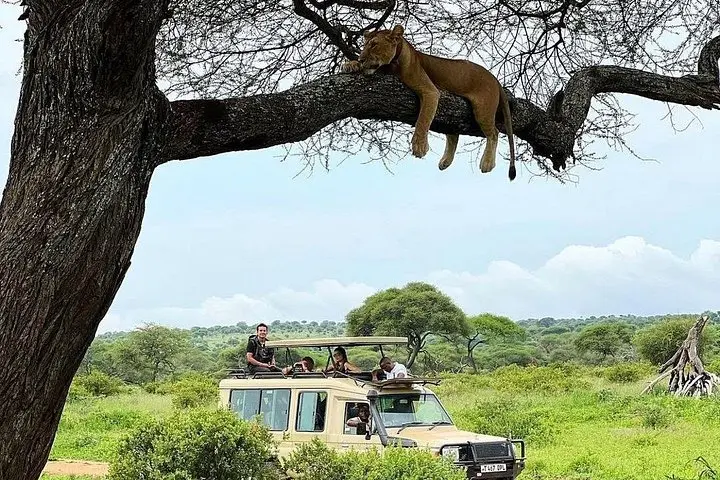
The engine rumbles before dawn as the Land Cruiser slips out of Arusha into a landscape that changes in hours: baobabs and red soil of Tarangire, the flat sea of grass in the Serengeti, and the dramatic rim of Ngorongoro. Early light draws predators and grazers into view; dusty roads and open roofs make every sighting immediate and tactile.
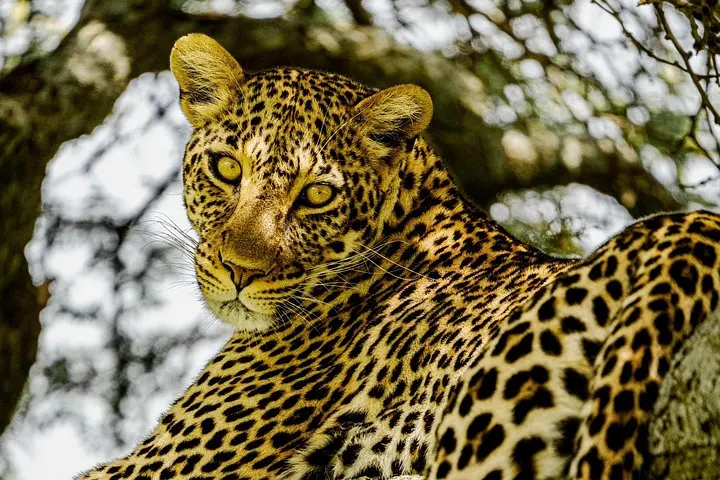
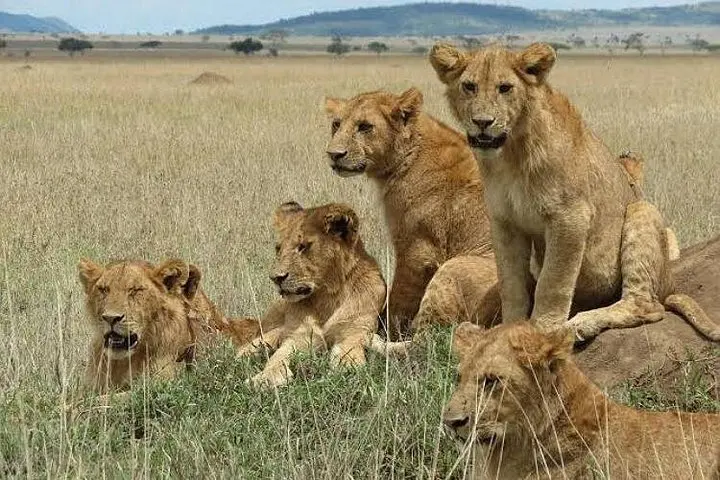
This itinerary threads three of northern Tanzania’s signature ecosystems. Tarangire is noted for huge elephant herds and fossil-like baobabs; the Serengeti’s Seronera drainage concentrates lions, leopards and game on its grassy plains; Ngorongoro is a collapsed volcanic caldera 600 meters deep whose dense crater floor supports a high concentration of wildlife. The Maasai people live in the buffer landscapes here and their presence shapes grazing patterns and conservation efforts.
Expect long game-drive days and several multi-hour transfers—Arusha to Tarangire is a couple of hours, Tarangire to central Serengeti a half-day over varied roads, and a steep descent into Ngorongoro requires attention to altitude change. Nights are spent in shared campsites or mid-range lodges; bring layered clothing for cold crater mornings and strong sun by midday.
Practical notes: binoculars and a good zoom lens reward patient watchers; carry sun protection, refillable water, and motion-sickness remedies for dusty tracks. Early starts are standard—predators are most active then—and park rules keep vehicles on roads and distances to wildlife respectful. This is a high-reward, low-technical tour focused on sightings, wildlife interpretation, and shared camping comfort.