THE ADVENTURE COLLECTIVE® · Independent discovery and booking for outdoor travel

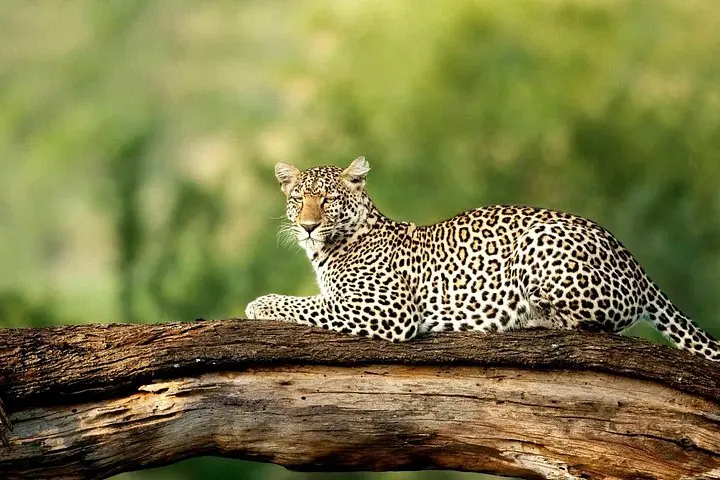
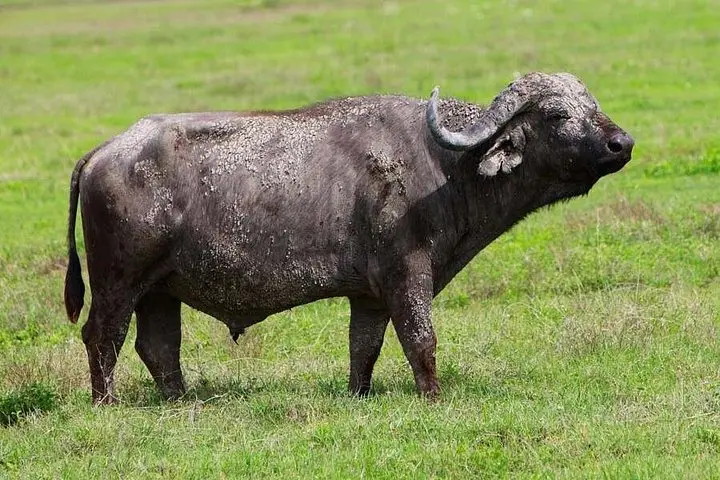
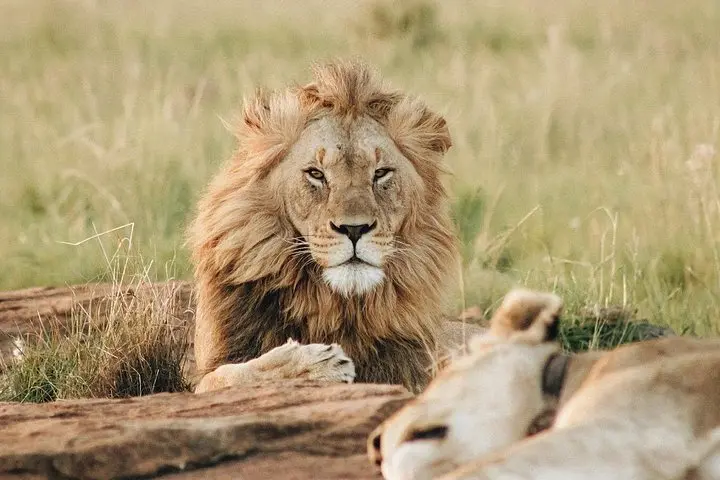
Four days of shared camping and game drives link Tarangire’s baobabs, Serengeti plains and Ngorongoro’s caldera for sustained Big Five viewing. Expect early starts, long drives and hands-on local context from professional guides.
Four days of shared camping and game drives link Tarangire’s baobabs, Serengeti plains and Ngorongoro’s caldera for sustained Big Five viewing. Expect early starts, long drives and hands-on local context from professional guides.
Dawn breaks over the acacia line as the vehicle eases onto the dusty track—elephant silhouettes move like low thunder through golden grass. Over the next four days you’ll ride those tracks between Tarangire’s baobabs, the wide plains of the Seronera in the Serengeti and the rim of Ngorongoro’s living caldera.
Verified experiences and guided adventures in the surrounding area.
Operated by Wildlife Experience Tanzania - Day Tours · Arusha, Arusha Region
Dawn breaks over the acacia line as the vehicle eases onto the dusty track—elephant silhouettes move like low thunder through golden grass. Over the next four days you’ll ride those tracks between Tarangire’s baobabs, the wide plains of the Seronera in the Serengeti and the rim of Ngorongoro’s living caldera.
This circuit threads natural history and human history: Tarangire’s river system concentrates wildlife in the dry season, Olduvai Gorge (optional en route) is a cradle of palaeoanthropology, and Ngorongoro’s caldera—an unbroken volcanic bowl—holds one of the densest concentrations of large mammals and the region’s remaining black rhino. The geology shifts quickly: cracked volcanic rim to sweeping Serengeti basalt plains to floodplain channels in Tarangire. Local Maasai communities maintain grazing mosaics that influence wildlife movement and the parks’ culture; guides will often share context on traditional land use and conservation fees.
Practically, expect long driving stretches between parks and early starts for sunrise game drives when predators and grazers are most active. Nights on well-run campsites mean simple comforts—hot showers where available and communal meals. Bring layered clothing for cold mornings, a good pair of binoculars, sunscreen and motion-sickness remedies for rough roads. Cameras should be ready at golden hour; vehicles stop for wildlife but adhere to park rules about distance and off-road driving. If you want the classic Big Five experience without fuss, this shared camping safari balances accessibility with genuine, sustained wildlife viewing across three of Tanzania’s most iconic ecosystems.
Accommodation at campsites, meals as listed, bottled water, park fees, transport in safari vehicle and a professional driver/guide are included; check the itinerary for specifics.
Expect long transfers: up to seven hours on the Arusha–Serengeti transit day, with shorter drives for game viewing and 2–3 hour transits between parks on other days.
The tour is marked suitable for all fitness levels; however, getting in and out of vehicles and walking on uneven ground may be required—consult the operator for wheelchair needs.
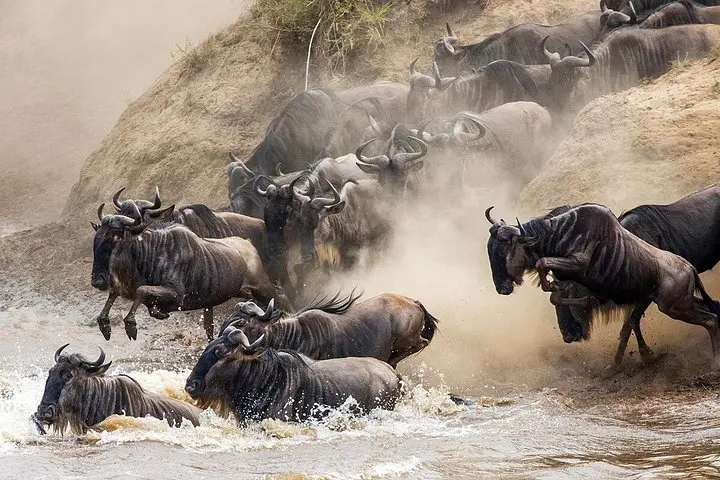
Migration timing varies by year; prime months for large herds in Seronera are generally December–March and June–July for northern Serengeti river crossings, though sightings occur year-round.
Wildlife Experience Tanzania - Day Tours operates guided outdoor trips and adventures with an emphasis on safety, stewardship, and memorable experiences.
Dawn breaks over the acacia line as the vehicle eases onto the dusty track—elephant silhouettes move like low thunder through golden grass. Over the next four days you’ll ride those tracks between Tarangire’s baobabs, the wide plains of the Seronera in the Serengeti and the rim of Ngorongoro’s living caldera.
Dawn breaks over the acacia line as the vehicle eases onto the dusty track—elephant silhouettes move like low thunder through golden grass. Over the next four days you’ll ride those tracks between Tarangire’s baobabs, the wide plains of the Seronera in the Serengeti and the rim of Ngorongoro’s living caldera.
This circuit threads natural history and human history: Tarangire’s river system concentrates wildlife in the dry season, Olduvai Gorge (optional en route) is a cradle of palaeoanthropology, and Ngorongoro’s caldera—an unbroken volcanic bowl—holds one of the densest concentrations of large mammals and the region’s remaining black rhino. The geology shifts quickly: cracked volcanic rim to sweeping Serengeti basalt plains to floodplain channels in Tarangire. Local Maasai communities maintain grazing mosaics that influence wildlife movement and the parks’ culture; guides will often share context on traditional land use and conservation fees.
Practically, expect long driving stretches between parks and early starts for sunrise game drives when predators and grazers are most active. Nights on well-run campsites mean simple comforts—hot showers where available and communal meals. Bring layered clothing for cold mornings, a good pair of binoculars, sunscreen and motion-sickness remedies for rough roads. Cameras should be ready at golden hour; vehicles stop for wildlife but adhere to park rules about distance and off-road driving. If you want the classic Big Five experience without fuss, this shared camping safari balances accessibility with genuine, sustained wildlife viewing across three of Tanzania’s most iconic ecosystems.