THE ADVENTURE COLLECTIVE® · Independent discovery and booking for outdoor travel

Four days of classic northern Tanzania safari—Tarangire’s elephants, the endless Serengeti plains and the wildlife-rich bowl of Ngorongoro Crater. Expect long drives, early starts and close encounters guided by experienced driver-guides.
Four days of classic northern Tanzania safari—Tarangire’s elephants, the endless Serengeti plains and the wildlife-rich bowl of Ngorongoro Crater. Expect long drives, early starts and close encounters guided by experienced driver-guides.
A flat, early-morning light spreads across dry grass and giant baobabs as your vehicle slips out of Arusha. Dust lifts and settles; the Tarangire River draws the first herds, elephants moving like slow punctuation beneath the trees. Over four days the landscape changes—riverine woodland gives way to the open Serengeti plain, and finally the steep green rim of Ngorongoro, where the crater keeps its own weather.
Verified experiences and guided adventures in the surrounding area.
Operated by Lappet Faced Safaris · Arusha, Arusha Region
A flat, early-morning light spreads across dry grass and giant baobabs as your vehicle slips out of Arusha. Dust lifts and settles; the Tarangire River draws the first herds, elephants moving like slow punctuation beneath the trees. Over four days the landscape changes—riverine woodland gives way to the open Serengeti plain, and finally the steep green rim of Ngorongoro, where the crater keeps its own weather.
This route threads three of Tanzania’s most famous wildlife areas. Tarangire, known for elephant concentrations and baobabs, sits at lower elevation and favors seasonal river-side gatherings. The Serengeti is a vast grassland shaped by volcanic soils and the annual migration of wildebeest and zebra. Ngorongoro Crater formed when a large volcano collapsed roughly two to three million years ago; its 19 km diameter and 600 m depth create an enclosed ecosystem with dense wildlife populations and a living Maasai presence on the rim.
Practical details: expect multiple full-day game drives, early wake-ups, and several hours of driving on unpaved roads—Arusha to Tarangire is roughly 2–3 hours, transfers between parks can be 3–6 hours depending on route and season. Vehicles are 4x4 safari jeeps with pop-up roofs for viewing.
Plan for sun and dust: layered clothing for cool mornings and hot afternoons, good sun protection, insect precautions, and binoculars. Park permits, a valid passport, and adequate travel insurance are essential. Guides balance wildlife sightings with respect for local culture and conservation rules—stay in the vehicle near large animals, keep voices low, and follow your guide’s instructions to protect both you and the wildlife.
Yes—children aged 2 and older can join, but expect long days and early mornings; child seating and family-friendly accommodations are often available.
Malaria risk exists in parts of northern Tanzania—consult a travel clinic for region-specific advice and bring insect repellent and appropriate clothing.
Confirm at booking—some multi-day packages include park fees and conservation levies while others collect them on the day; have passport details ready for permits.
Expect a mix of mid-range and luxury tented camps or lodges near each park—examples include camp options near Tarangire, central Serengeti tented camps, and a lodge on the Ngorongoro rim.
Lappet Faced Safaris operates guided outdoor trips and adventures with an emphasis on safety, stewardship, and memorable experiences.
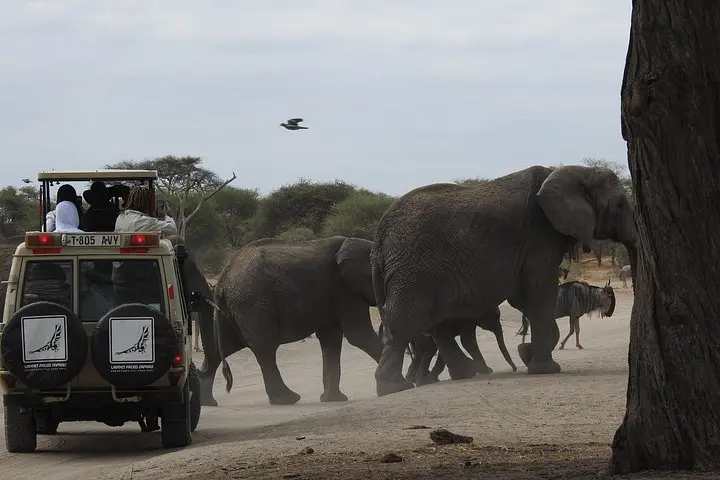
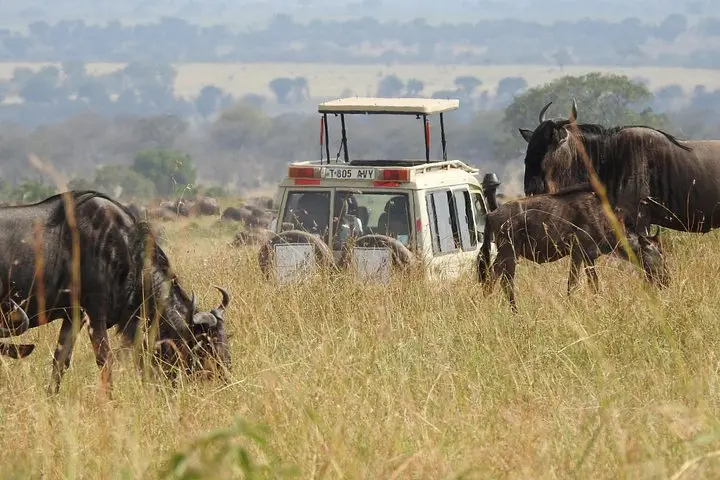
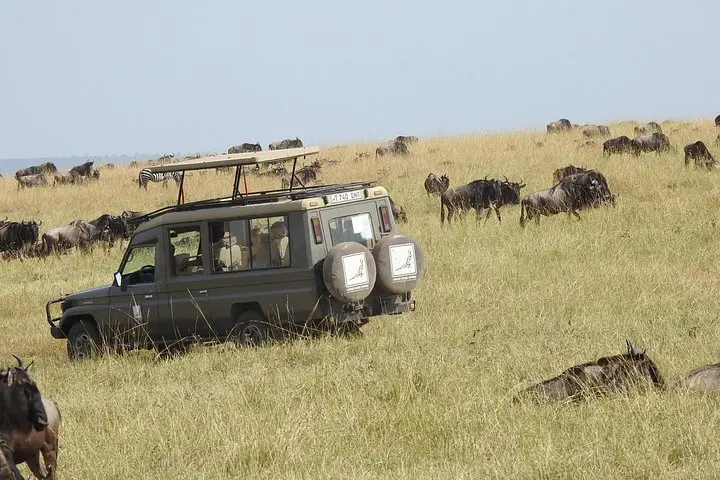
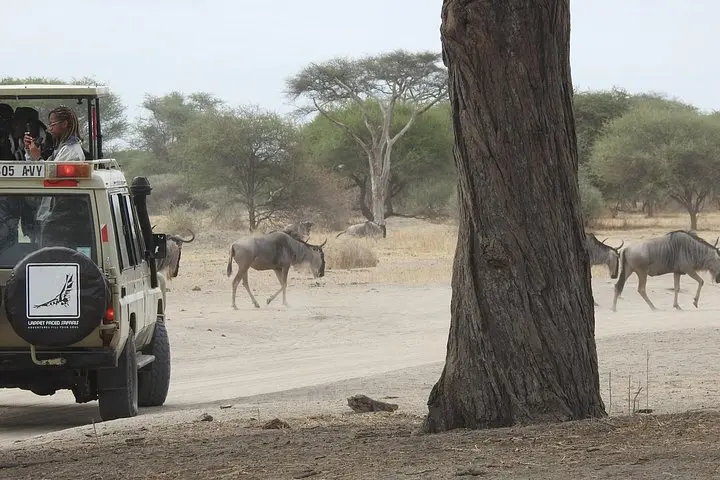
A flat, early-morning light spreads across dry grass and giant baobabs as your vehicle slips out of Arusha. Dust lifts and settles; the Tarangire River draws the first herds, elephants moving like slow punctuation beneath the trees. Over four days the landscape changes—riverine woodland gives way to the open Serengeti plain, and finally the steep green rim of Ngorongoro, where the crater keeps its own weather.
A flat, early-morning light spreads across dry grass and giant baobabs as your vehicle slips out of Arusha. Dust lifts and settles; the Tarangire River draws the first herds, elephants moving like slow punctuation beneath the trees. Over four days the landscape changes—riverine woodland gives way to the open Serengeti plain, and finally the steep green rim of Ngorongoro, where the crater keeps its own weather.
This route threads three of Tanzania’s most famous wildlife areas. Tarangire, known for elephant concentrations and baobabs, sits at lower elevation and favors seasonal river-side gatherings. The Serengeti is a vast grassland shaped by volcanic soils and the annual migration of wildebeest and zebra. Ngorongoro Crater formed when a large volcano collapsed roughly two to three million years ago; its 19 km diameter and 600 m depth create an enclosed ecosystem with dense wildlife populations and a living Maasai presence on the rim.
Practical details: expect multiple full-day game drives, early wake-ups, and several hours of driving on unpaved roads—Arusha to Tarangire is roughly 2–3 hours, transfers between parks can be 3–6 hours depending on route and season. Vehicles are 4x4 safari jeeps with pop-up roofs for viewing.
Plan for sun and dust: layered clothing for cool mornings and hot afternoons, good sun protection, insect precautions, and binoculars. Park permits, a valid passport, and adequate travel insurance are essential. Guides balance wildlife sightings with respect for local culture and conservation rules—stay in the vehicle near large animals, keep voices low, and follow your guide’s instructions to protect both you and the wildlife.