THE ADVENTURE COLLECTIVE® · Independent discovery and booking for outdoor travel

Four days of private touring through Angkor’s temple complexes, Phnom Kulen’s waterfalls and the floating villages of Tonle Sap. Expect long days, uneven terrain, sunrise crowds and rich cultural context led by an English guide.
Four days of private touring through Angkor’s temple complexes, Phnom Kulen’s waterfalls and the floating villages of Tonle Sap. Expect long days, uneven terrain, sunrise crowds and rich cultural context led by an English guide.
Dawn breaks over the moat at Angkor Wat, grey stone catching the first light while carved apsaras and lotus motifs sharpen into relief. Over four full days this private tour moves from sunrise at Angkor Wat to the smiling faces of Bayon, the root‑entwined galleries of Ta Prohm, the waterfalls and sacred river carvings of Phnom Kulen, and the stilted life of Kampong Phluk on Tonle Sap.
Verified experiences and guided adventures in the surrounding area.
Operated by Asia Voyage Tour · Siem Reap, Siem Reap Province
Dawn breaks over the moat at Angkor Wat, grey stone catching the first light while carved apsaras and lotus motifs sharpen into relief. Over four full days this private tour moves from sunrise at Angkor Wat to the smiling faces of Bayon, the root‑entwined galleries of Ta Prohm, the waterfalls and sacred river carvings of Phnom Kulen, and the stilted life of Kampong Phluk on Tonle Sap.
The temples span centuries of Khmer engineering and devotion — Angkor Wat’s 12th‑century sandstone, the Bayon’s late‑12th‑century faces, and the delicate red‑sandstone carving at Banteay Srei reflect shifts in religion and royal patronage. Geologically the plains sit on sandstone and laterite; the region’s seasonal waters and reservoirs, like the East Baray and Tonle Sap, created the hydraulic systems that sustained the empire and today shape village livelihoods.
Culture is tactile here: monks at remote pagodas, a possible water blessing at Phnom Kulen, and fishermen adjusting nets with the annual rise and fall of the lake. Beng Mealea and Ta Prohm show how nature reclaims masonry; move slowly and with respect to appreciate details.
Practical guidance: buy an Angkor pass (operator notes USD62 for 3 days, USD72 for 7 days at the official ticket office). Expect 9–12 hour days with uneven steps and short hikes; wear respectful temple clothing (shoulders and knees covered), sturdy non‑slip shoes, and bring sun protection, insect repellent and cash for small purchases. Hotel pickup, an English guide, cold towels and the motorised boat fee are included. Start very early for sunrise and allow time to absorb local rhythms rather than rushing each site.
Yes — passes are issued at the official Angkor Enterprise ticket office near Siem Reap. The operator notes USD62 for a 3‑day pass and USD72 for a 7‑day pass at the time of booking; bring passport/ID to purchase.
Yes — the tour lists the motorised boat fee as included in the itinerary and inclusions, so village boat trips are covered.
The operator indicates it’s not suitable for children under 3; stroller access is possible for small kids and infant seats can be arranged, but long days may be tiring for young children.
Cover shoulders and knees for temple entry; lightweight, breathable fabrics are best. In villages dress modestly and avoid revealing clothing out of respect for local customs.
Asia Voyage Tour operates guided outdoor trips and adventures with an emphasis on safety, stewardship, and memorable experiences.
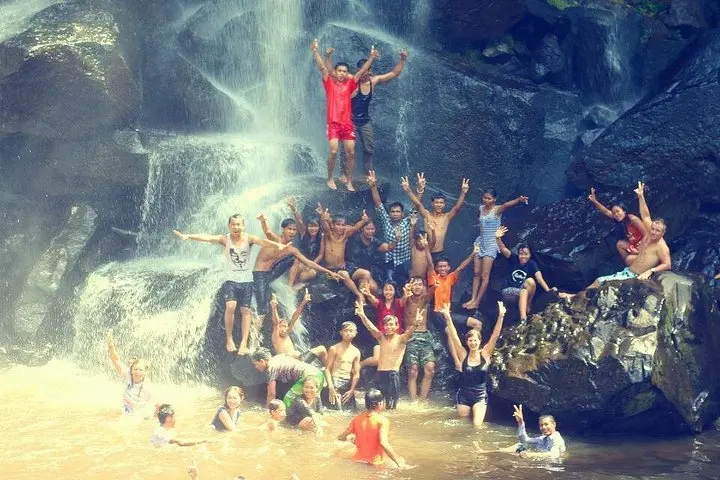
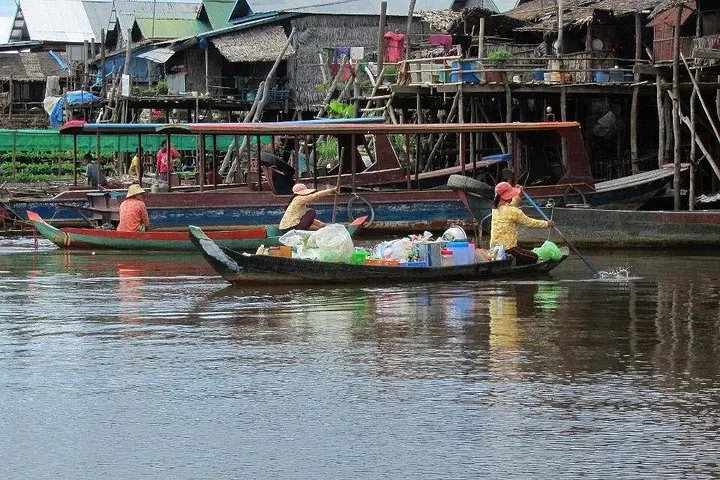
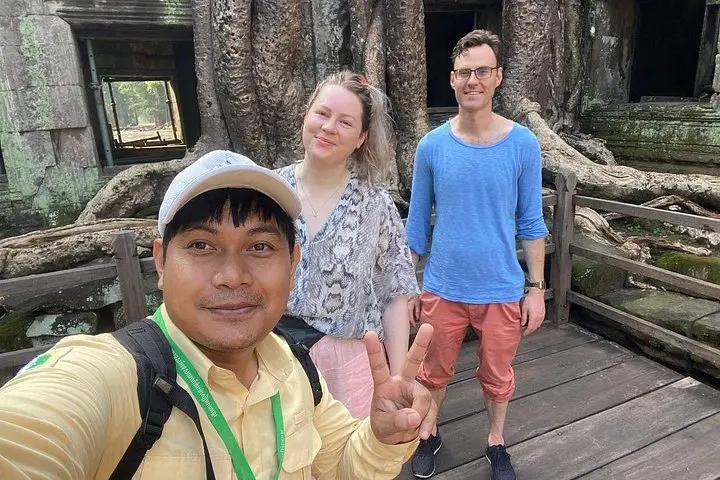
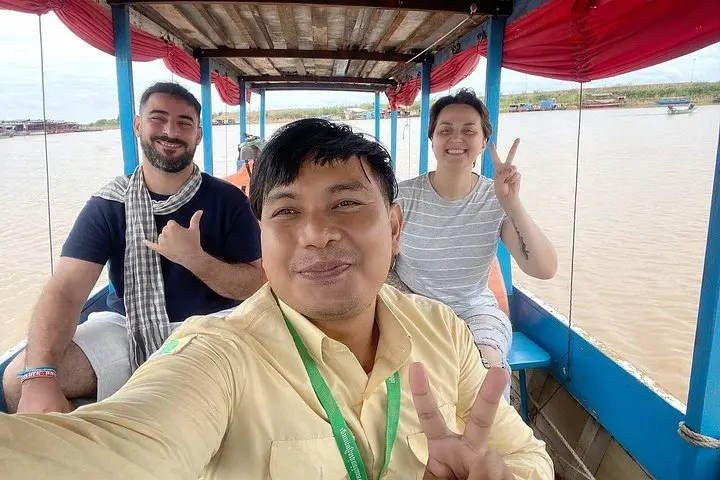
Dawn breaks over the moat at Angkor Wat, grey stone catching the first light while carved apsaras and lotus motifs sharpen into relief. Over four full days this private tour moves from sunrise at Angkor Wat to the smiling faces of Bayon, the root‑entwined galleries of Ta Prohm, the waterfalls and sacred river carvings of Phnom Kulen, and the stilted life of Kampong Phluk on Tonle Sap.
Dawn breaks over the moat at Angkor Wat, grey stone catching the first light while carved apsaras and lotus motifs sharpen into relief. Over four full days this private tour moves from sunrise at Angkor Wat to the smiling faces of Bayon, the root‑entwined galleries of Ta Prohm, the waterfalls and sacred river carvings of Phnom Kulen, and the stilted life of Kampong Phluk on Tonle Sap.
The temples span centuries of Khmer engineering and devotion — Angkor Wat’s 12th‑century sandstone, the Bayon’s late‑12th‑century faces, and the delicate red‑sandstone carving at Banteay Srei reflect shifts in religion and royal patronage. Geologically the plains sit on sandstone and laterite; the region’s seasonal waters and reservoirs, like the East Baray and Tonle Sap, created the hydraulic systems that sustained the empire and today shape village livelihoods.
Culture is tactile here: monks at remote pagodas, a possible water blessing at Phnom Kulen, and fishermen adjusting nets with the annual rise and fall of the lake. Beng Mealea and Ta Prohm show how nature reclaims masonry; move slowly and with respect to appreciate details.
Practical guidance: buy an Angkor pass (operator notes USD62 for 3 days, USD72 for 7 days at the official ticket office). Expect 9–12 hour days with uneven steps and short hikes; wear respectful temple clothing (shoulders and knees covered), sturdy non‑slip shoes, and bring sun protection, insect repellent and cash for small purchases. Hotel pickup, an English guide, cold towels and the motorised boat fee are included. Start very early for sunrise and allow time to absorb local rhythms rather than rushing each site.