THE ADVENTURE COLLECTIVE® · Independent discovery and booking for outdoor travel

Walk four days through Hoang Su Phi’s iconic rice terraces, waterfalls, and ethnic villages with a private guide and motorbike porter. Expect long, steep days, homestay dinners with Red Dao and Black Dao families, and an immersive rural experience.
Walk four days through Hoang Su Phi’s iconic rice terraces, waterfalls, and ethnic villages with a private guide and motorbike porter. Expect long, steep days, homestay dinners with Red Dao and Black Dao families, and an immersive rural experience.
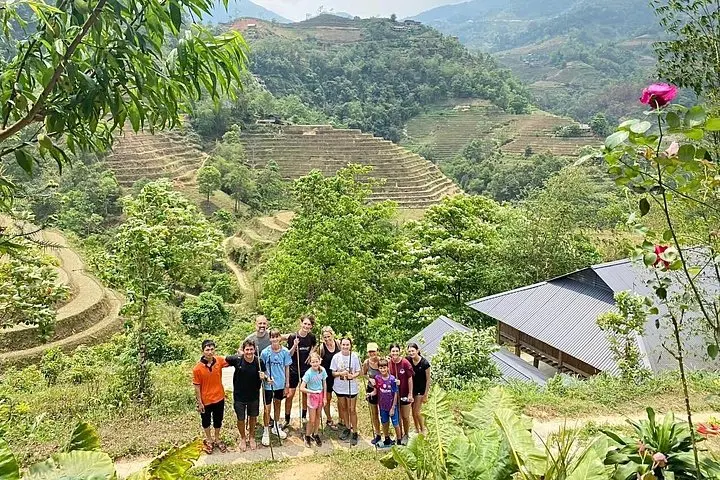
Morning mist lifts off the stepped rice fields and your boots sink into a trail smoothed by generations of foot traffic. On this four‑day private trek from Nậm Lỳ Retreat you move through a living landscape: terraced slopes cutting across the horizon, bamboo gullies that hush the wind, and waterfalls that dare you to pause and swim.
Verified experiences and guided adventures in the surrounding area.
Operated by Nậm Lỳ Retreat Travel · Hoang Su Phi, Ha Giang
Morning mist lifts off the stepped rice fields and your boots sink into a trail smoothed by generations of foot traffic. On this four‑day private trek from Nậm Lỳ Retreat you move through a living landscape: terraced slopes cutting across the horizon, bamboo gullies that hush the wind, and waterfalls that dare you to pause and swim.
Hoang Su Phi sits on the eastern edge of Ha Giang’s karst highlands, where folded limestone and red upland soils were shaped by monsoon rains and centuries of terrace farming. The area's ethnic groups — predominantly Red Dao and Black Dao — keep weaving, dyeing, and growing tea on family plots; homestays offer a chance to share meals and learn local customs. Geologically the land alternates between steep ridgewalks and narrow valley steps where springs surface, and culturally it’s a patchwork of stilt houses and hand‑forged rituals.
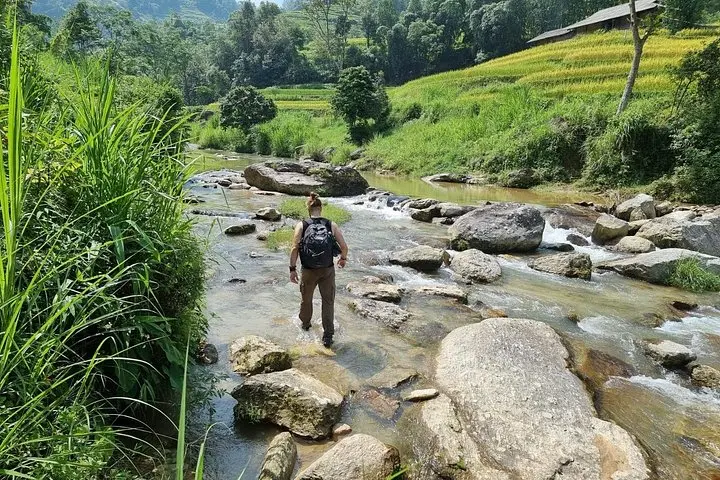
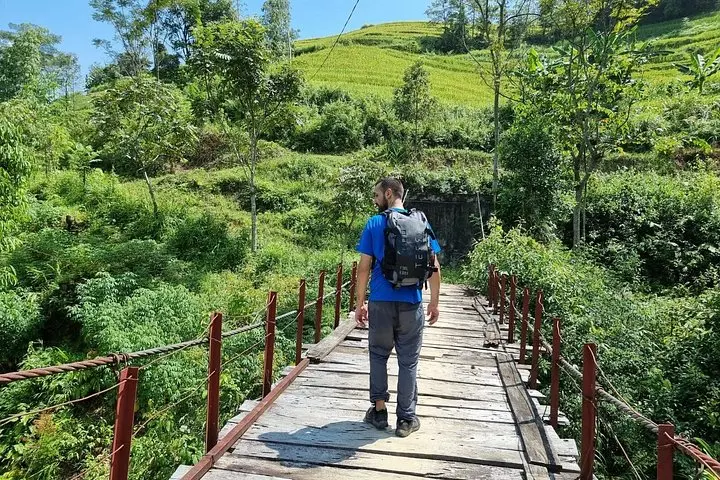
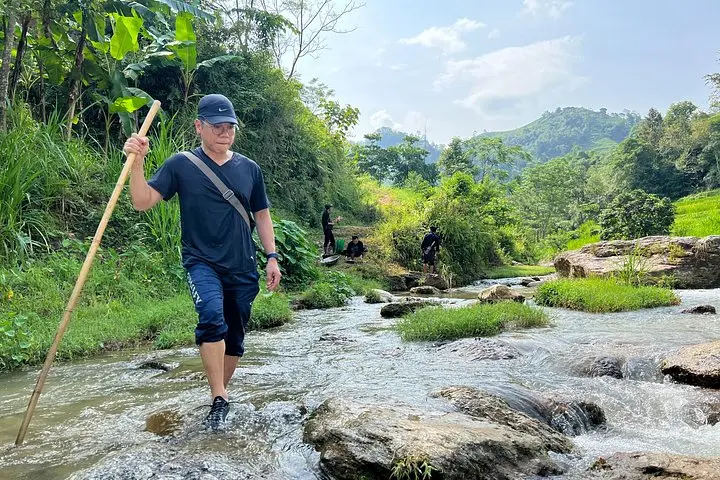
Expect 15–20 km of walking per day on steep, uneven trails with frequent elevation gain and short river crossings. Guides and a motorbike porter move luggage between homestays; accommodation ranges from simple bungalows to family wooden houses. Timing matters: travel in dry months for firmer trails, leave early to avoid midday heat, and conserve water on long descents.
Practical pointers: wear broken‑in hiking boots with ankle support, carry a lightweight rain shell and 2–3 liters of water, and bring cash for village purchases and upgrades. The trip is immersive and physically demanding but richly rewarding — you return having walked through landscape, history, and daily life rather than just viewed them.
You should be comfortable walking 15–20 km in a day over steep, uneven terrain and able to carry a daypack; the tour is not suitable for those with serious back or heart conditions.
Accommodation is a mix of simple bungalows at Nậm Lỳ Retreat and family homestays (shared dorms or basic private rooms); upgrades may be available for a fee.
Yes — the tour provides motorbike porters who transport larger luggage between stops so you only carry a daypack on the trail.
Dry months (late autumn to early spring excluding the coldest weeks) offer firmer trails and clearer views; monsoon season (summer) brings slippery conditions and heavier rain.
Nậm Lỳ Retreat Travel operates guided outdoor trips and adventures with an emphasis on safety, stewardship, and memorable experiences.
Morning mist lifts off the stepped rice fields and your boots sink into a trail smoothed by generations of foot traffic. On this four‑day private trek from Nậm Lỳ Retreat you move through a living landscape: terraced slopes cutting across the horizon, bamboo gullies that hush the wind, and waterfalls that dare you to pause and swim.
Morning mist lifts off the stepped rice fields and your boots sink into a trail smoothed by generations of foot traffic. On this four‑day private trek from Nậm Lỳ Retreat you move through a living landscape: terraced slopes cutting across the horizon, bamboo gullies that hush the wind, and waterfalls that dare you to pause and swim.
Hoang Su Phi sits on the eastern edge of Ha Giang’s karst highlands, where folded limestone and red upland soils were shaped by monsoon rains and centuries of terrace farming. The area's ethnic groups — predominantly Red Dao and Black Dao — keep weaving, dyeing, and growing tea on family plots; homestays offer a chance to share meals and learn local customs. Geologically the land alternates between steep ridgewalks and narrow valley steps where springs surface, and culturally it’s a patchwork of stilt houses and hand‑forged rituals.
Expect 15–20 km of walking per day on steep, uneven trails with frequent elevation gain and short river crossings. Guides and a motorbike porter move luggage between homestays; accommodation ranges from simple bungalows to family wooden houses. Timing matters: travel in dry months for firmer trails, leave early to avoid midday heat, and conserve water on long descents.
Practical pointers: wear broken‑in hiking boots with ankle support, carry a lightweight rain shell and 2–3 liters of water, and bring cash for village purchases and upgrades. The trip is immersive and physically demanding but richly rewarding — you return having walked through landscape, history, and daily life rather than just viewed them.