THE ADVENTURE COLLECTIVE® · Independent discovery and booking for outdoor travel

A four-day loop from Nairobi through Tsavo West to Amboseli that pairs close-up elephant encounters and the glassy pools of Mzima Springs with sunrise views of Mt. Kilimanjaro. Expect early starts, long drives, five-star tented camps and meaningful cultural encounters.
A four-day loop from Nairobi through Tsavo West to Amboseli that pairs close-up elephant encounters and the glassy pools of Mzima Springs with sunrise views of Mt. Kilimanjaro. Expect early starts, long drives, five-star tented camps and meaningful cultural encounters.
The Land Cruiser thumps over rutted road as the early sun climbs behind a distant volcanic ridge. Dust settles on the window; giraffes silhouette themselves against a flat horizon; and, by mid-morning, the first glassy eyes of Mzima Springs break the surface like a secret revealed. This is not a photo-op checklist but the rhythm of four days on safari from Nairobi through Tsavo West to Amboseli — a stretch of eastern Kenya where underground rivers, lava-rock craters and Africa’s highest peak stage wildlife in raw, unexpected ways.
Verified experiences and guided adventures in the surrounding area.
Operated by DALA TOURS, SAFARIS & VOLUNTEERS KENYA · Nairobi, Nairobi County
The Land Cruiser thumps over rutted road as the early sun climbs behind a distant volcanic ridge. Dust settles on the window; giraffes silhouette themselves against a flat horizon; and, by mid-morning, the first glassy eyes of Mzima Springs break the surface like a secret revealed. This is not a photo-op checklist but the rhythm of four days on safari from Nairobi through Tsavo West to Amboseli — a stretch of eastern Kenya where underground rivers, lava-rock craters and Africa’s highest peak stage wildlife in raw, unexpected ways.
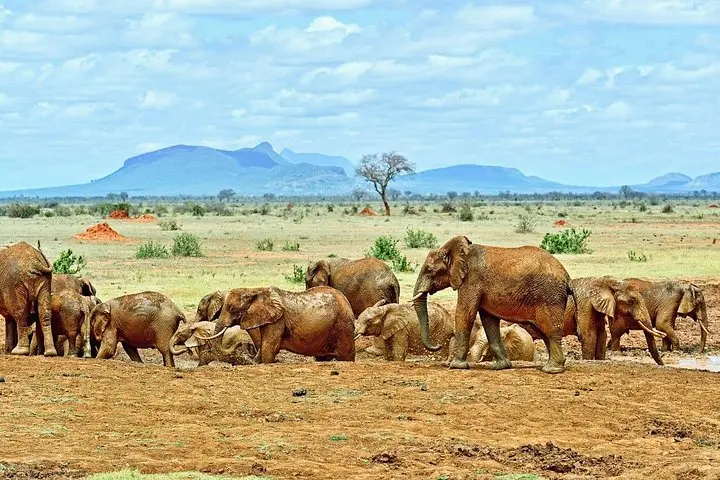
Tsavo West opens the trip with broad plains punctuated by Roaring Rocks and the Chaimu Crater — a geologically young, black-coke volcanic cone that still carries the memory of fire in its slopes. Mzima Springs, fed through porous volcanic strata from the Chyulu Hills, produces crystal-clear pools that support hippos and attract water birds; an underwater observatory there shows trout and the slow ballet of hippo lips. By day two the convoy rolls toward Amboseli, the park famous for close-up elephant encounters and sunrise views of Mt. Kilimanjaro. Amboseli’s landscape is an ancient lakebed and seasonally sodden swamps, surrounded by rocky knolls and sparse acacia woodland—terrain that creates natural stages for behavior you won’t forget.
Cultural threads run through the itinerary: Maasai homesteads and dances offer short, grounded windows into pastoral life shaped by the same plains the animals traverse. Conservation is an ongoing subplot — anti-poaching patrols, community-led tourism and trusts like MAKLWETA (founded by Dr. Erick Komolo) link visitor dollars to local education and employment.
Practically, this is a trip defined by rhythm: early-morning game drives when predators hunt and Kilimanjaro looms clear; heat and dust by mid-afternoon when animals seek shade; and evening drives that fold back into five-star tented comfort. Expect long drives between parks (Nairobi to Tsavo West can be 4–6 hours depending on traffic and stops), short hikes to crater rims or springs, and game drives over flat, sometimes rough terrain. Elevation at Amboseli sits around 1,100–1,300 m; Kilimanjaro’s summit is 5,895 m, often visible before the day’s convective clouds arrive.
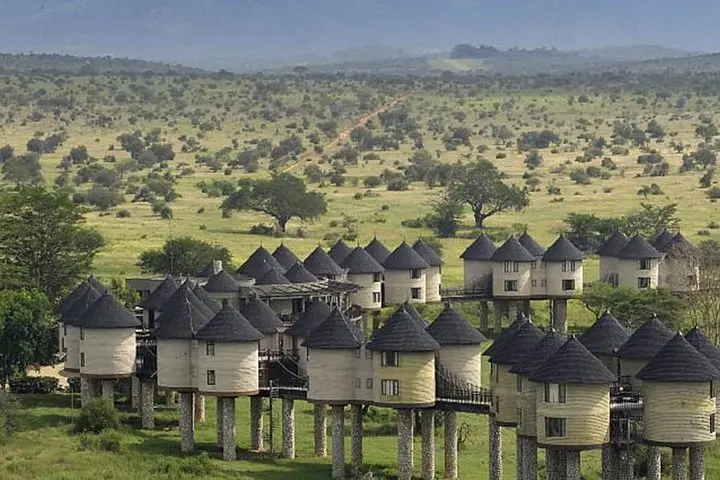
Prepare for wide temperature swings, strong sun, and dusty roads: light layers, good boots, a sunhat and a pair of binoculars are non-negotiable. Carry water, a camera with a telephoto lens, and a patient curiosity — wildlife sightings are never guaranteed but often generous. The operator provides five-star tented accommodation, most meals and transport in a 4WD set up for safari comfort. For those who want to press deeper, add a morning walk with a guide or a village visit; both bring the landscape into sharper, human focus.
Four days here is not an attempt to conquer a continent but to step into its everyday pulse: elephants testing the swamp, Kilimanjaro watching like a slow clock, and an undercurrent of community initiatives that keep this wildness possible.
Expect several hours on the road: Nairobi to Tsavo West can take 4–6 hours; Tsavo to Amboseli is about 3–5 hours depending on stops and road conditions.
Confirm at booking; most packages include accommodation, transport and meals listed, but park entrance fees and optional activities may be extra.
Yes — the itinerary notes accessibility and is suitable for a range of fitness levels; notify the operator of special needs for pickup and accommodation.
Yes — an optional village visit is typically available on Day 4; follow local protocols and ask before taking photos.
Early mornings during the dry season (roughly June–October) usually offer the clearest views before midday cloud build-up.
Amboseli is renowned for elephants and sometimes rare white individuals; both parks host lions, giraffes, zebras, buffalo and diverse birdlife.
DALA TOURS, SAFARIS & VOLUNTEERS KENYA operates guided outdoor trips and adventures with an emphasis on safety, stewardship, and memorable experiences.
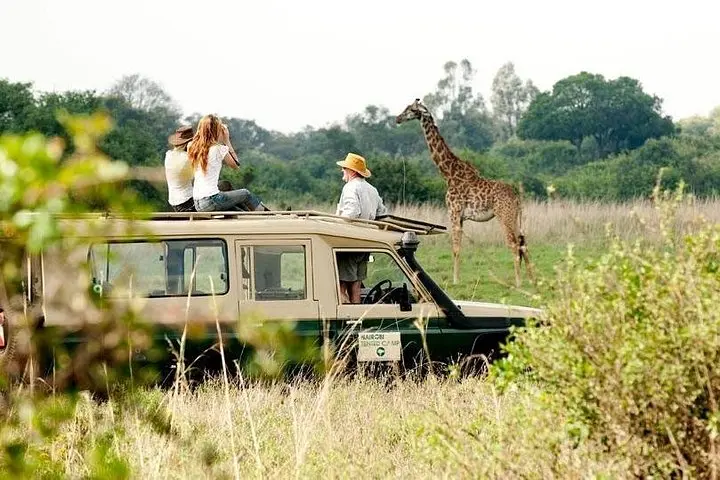
The Land Cruiser thumps over rutted road as the early sun climbs behind a distant volcanic ridge. Dust settles on the window; giraffes silhouette themselves against a flat horizon; and, by mid-morning, the first glassy eyes of Mzima Springs break the surface like a secret revealed. This is not a photo-op checklist but the rhythm of four days on safari from Nairobi through Tsavo West to Amboseli — a stretch of eastern Kenya where underground rivers, lava-rock craters and Africa’s highest peak stage wildlife in raw, unexpected ways.
The Land Cruiser thumps over rutted road as the early sun climbs behind a distant volcanic ridge. Dust settles on the window; giraffes silhouette themselves against a flat horizon; and, by mid-morning, the first glassy eyes of Mzima Springs break the surface like a secret revealed. This is not a photo-op checklist but the rhythm of four days on safari from Nairobi through Tsavo West to Amboseli — a stretch of eastern Kenya where underground rivers, lava-rock craters and Africa’s highest peak stage wildlife in raw, unexpected ways.
Tsavo West opens the trip with broad plains punctuated by Roaring Rocks and the Chaimu Crater — a geologically young, black-coke volcanic cone that still carries the memory of fire in its slopes. Mzima Springs, fed through porous volcanic strata from the Chyulu Hills, produces crystal-clear pools that support hippos and attract water birds; an underwater observatory there shows trout and the slow ballet of hippo lips. By day two the convoy rolls toward Amboseli, the park famous for close-up elephant encounters and sunrise views of Mt. Kilimanjaro. Amboseli’s landscape is an ancient lakebed and seasonally sodden swamps, surrounded by rocky knolls and sparse acacia woodland—terrain that creates natural stages for behavior you won’t forget.
Cultural threads run through the itinerary: Maasai homesteads and dances offer short, grounded windows into pastoral life shaped by the same plains the animals traverse. Conservation is an ongoing subplot — anti-poaching patrols, community-led tourism and trusts like MAKLWETA (founded by Dr. Erick Komolo) link visitor dollars to local education and employment.
Practically, this is a trip defined by rhythm: early-morning game drives when predators hunt and Kilimanjaro looms clear; heat and dust by mid-afternoon when animals seek shade; and evening drives that fold back into five-star tented comfort. Expect long drives between parks (Nairobi to Tsavo West can be 4–6 hours depending on traffic and stops), short hikes to crater rims or springs, and game drives over flat, sometimes rough terrain. Elevation at Amboseli sits around 1,100–1,300 m; Kilimanjaro’s summit is 5,895 m, often visible before the day’s convective clouds arrive.
Prepare for wide temperature swings, strong sun, and dusty roads: light layers, good boots, a sunhat and a pair of binoculars are non-negotiable. Carry water, a camera with a telephoto lens, and a patient curiosity — wildlife sightings are never guaranteed but often generous. The operator provides five-star tented accommodation, most meals and transport in a 4WD set up for safari comfort. For those who want to press deeper, add a morning walk with a guide or a village visit; both bring the landscape into sharper, human focus.
Four days here is not an attempt to conquer a continent but to step into its everyday pulse: elephants testing the swamp, Kilimanjaro watching like a slow clock, and an undercurrent of community initiatives that keep this wildness possible.