THE ADVENTURE COLLECTIVE® · Independent discovery and booking for outdoor travel

See Turkey’s big three in four days—a hot-air-skyline over Cappadocia, the white terraces of Pamukkale and the marble streets of Ephesus—starting and ending in Istanbul. This fast-paced circuit pairs geological wonders with curated logistics to make a lot happen without guesswork.
See Turkey’s big three in four days—a hot-air-skyline over Cappadocia, the white terraces of Pamukkale and the marble streets of Ephesus—starting and ending in Istanbul. This fast-paced circuit pairs geological wonders with curated logistics to make a lot happen without guesswork.
Before dawn in Göreme the sky is already busy—dozens of balloons bloom like slow-motion planets over a landscape that refuses to sit still. The valley below is serrated with chimneys and caves carved by volcanic ash and centuries of shepherds' hands; the air is cool and carries the faint scent of strong Turkish tea from a street vendor. On this four-day loop from Istanbul, travelers move through geological stages and historical layers so quickly the country’s past feels compressed into vivid vignettes.
Verified experiences and guided adventures in the surrounding area.
Operated by Turkey Tours Packages · Istanbul, Istanbul
Before dawn in Göreme the sky is already busy—dozens of balloons bloom like slow-motion planets over a landscape that refuses to sit still. The valley below is serrated with chimneys and caves carved by volcanic ash and centuries of shepherds' hands; the air is cool and carries the faint scent of strong Turkish tea from a street vendor. On this four-day loop from Istanbul, travelers move through geological stages and historical layers so quickly the country’s past feels compressed into vivid vignettes.
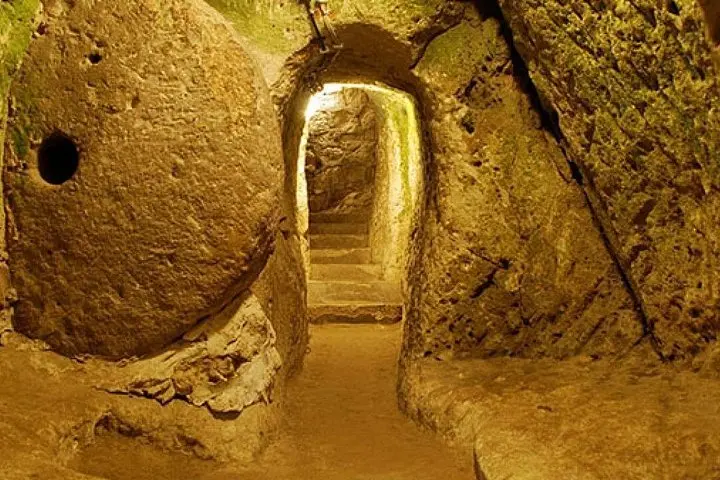
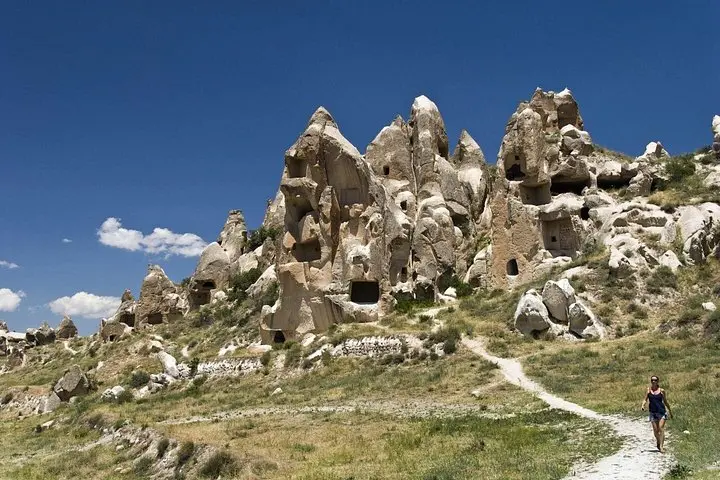
The trip stitches together three of Turkey’s headline scenes. Cappadocia’s fairy chimneys are soft sculpture: tuff columns shaped by erosion and then hollowed into homes, churches and underground cities. Derinkuyu, an eight-level subterranean complex, tells a different story—defensive architecture born of invasions and survival. Southward, the travertine terraces of Pamukkale are a mineral runaway: milky cascades formed by calcium-rich springs that communities have bathed in since Roman times. On the Aegean coast, Ephesus reads like a street-level history book—Celsus’ façade and the Great Theatre still lay out civic life in stone.
Geology and history overlap here. A successive succession of volcanic eruptions, rivers of mineral-laden water, and human engineering produced the theatrical landscapes and the ruins. Cultural threads—Greek colonies, Roman governors, early Christian pilgrims, Ottoman caravan routes—make each photo more than a postcard. Local rhythms persist: pottery spun in Avanos, vineyards around Şirince, and cave hotels repurposing millennia-old dwellings into boutique stays.
Practicalities matter on a packed itinerary. Expect early pickups, a short domestic flight to Cappadocia, about three hours by road to Pamukkale from Kuşadası, and comfortable but compact hotels—one night in a cave hotel, two nights in Kusadası. Much of the route is walkable: terraces and ruins demand flat-soled shoes and steady footing (you'll remove shoes on Pamukkale’s travertines). The balloon flight is optional but defines many visitors' memories; book early and be prepared for weather cancellations.
For planning: carry layered clothing, a small daypack, cash for small-town purchases, and copies of travel documents. Hydrate—Aegean heat and inland sun both take energy quickly. Finally, respect fragile sites: stay on paths, follow guides’ instructions, and leave the calcite terraces and ancient mosaics for the centuries to come.
This tour compresses geography into motion: geological oddities daring you to look closer, ruins that keep speaking, and a few hours of hot water that still draw people in. It’s a compact introduction for the traveler who wants to see Turkey’s highlights without losing sight of the practicalities that make a trip smooth and memorable.
No—balloon flights are optional and must be booked separately; operators can arrange it but availability depends on weather and space.
Yes—walking barefoot on Pamukkale’s travertines is required to protect the formations; bring a small towel and wear socks for the bus ride.
Yes—domestic flights, airport transfers and internal transfers listed in the itinerary are included in the package.
Expect several hours of on-foot touring at Ephesus (downhill to the Great Theatre) and short hikes in Ihlara Valley and Pigeon Valley—comfortable shoes are essential.
The tour accommodates children; strollers can be used in parts, but some sites have stairs and uneven ground—infants must sit on laps for transport segments where applicable.
The operator monitors domestic flights and weather; they will reschedule activities where possible and communicate alternatives, but some elements like balloon flights are subject to cancellation with refunds handled per policy.
Turkey Tours Packages operates guided outdoor trips and adventures with an emphasis on safety, stewardship, and memorable experiences.
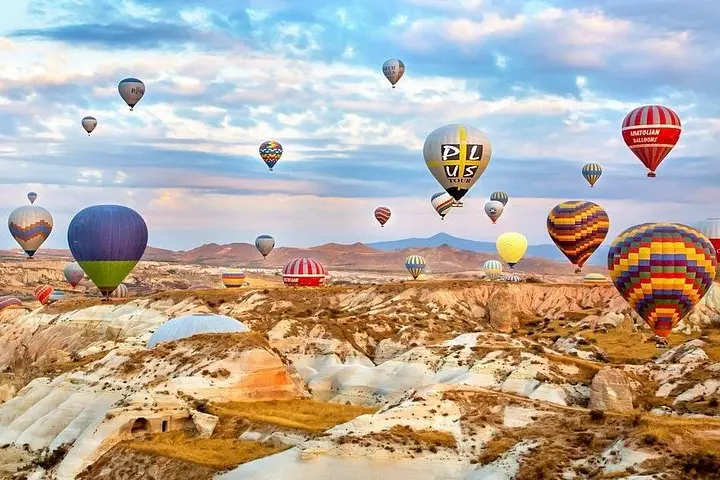
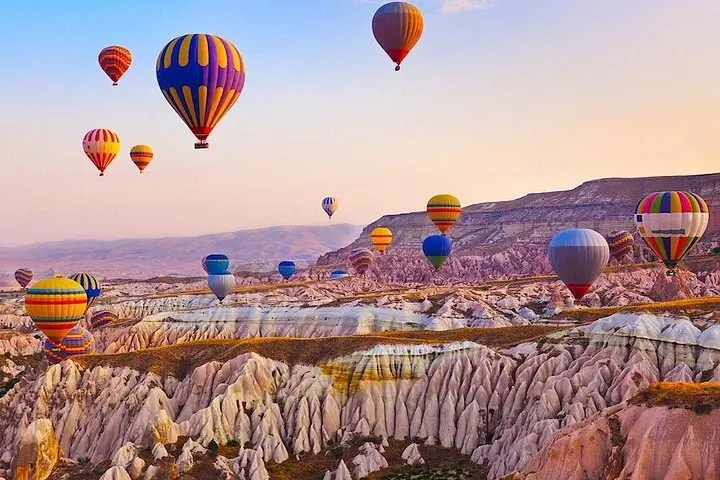
Before dawn in Göreme the sky is already busy—dozens of balloons bloom like slow-motion planets over a landscape that refuses to sit still. The valley below is serrated with chimneys and caves carved by volcanic ash and centuries of shepherds' hands; the air is cool and carries the faint scent of strong Turkish tea from a street vendor. On this four-day loop from Istanbul, travelers move through geological stages and historical layers so quickly the country’s past feels compressed into vivid vignettes.
Before dawn in Göreme the sky is already busy—dozens of balloons bloom like slow-motion planets over a landscape that refuses to sit still. The valley below is serrated with chimneys and caves carved by volcanic ash and centuries of shepherds' hands; the air is cool and carries the faint scent of strong Turkish tea from a street vendor. On this four-day loop from Istanbul, travelers move through geological stages and historical layers so quickly the country’s past feels compressed into vivid vignettes.
The trip stitches together three of Turkey’s headline scenes. Cappadocia’s fairy chimneys are soft sculpture: tuff columns shaped by erosion and then hollowed into homes, churches and underground cities. Derinkuyu, an eight-level subterranean complex, tells a different story—defensive architecture born of invasions and survival. Southward, the travertine terraces of Pamukkale are a mineral runaway: milky cascades formed by calcium-rich springs that communities have bathed in since Roman times. On the Aegean coast, Ephesus reads like a street-level history book—Celsus’ façade and the Great Theatre still lay out civic life in stone.
Geology and history overlap here. A successive succession of volcanic eruptions, rivers of mineral-laden water, and human engineering produced the theatrical landscapes and the ruins. Cultural threads—Greek colonies, Roman governors, early Christian pilgrims, Ottoman caravan routes—make each photo more than a postcard. Local rhythms persist: pottery spun in Avanos, vineyards around Şirince, and cave hotels repurposing millennia-old dwellings into boutique stays.
Practicalities matter on a packed itinerary. Expect early pickups, a short domestic flight to Cappadocia, about three hours by road to Pamukkale from Kuşadası, and comfortable but compact hotels—one night in a cave hotel, two nights in Kusadası. Much of the route is walkable: terraces and ruins demand flat-soled shoes and steady footing (you'll remove shoes on Pamukkale’s travertines). The balloon flight is optional but defines many visitors' memories; book early and be prepared for weather cancellations.
For planning: carry layered clothing, a small daypack, cash for small-town purchases, and copies of travel documents. Hydrate—Aegean heat and inland sun both take energy quickly. Finally, respect fragile sites: stay on paths, follow guides’ instructions, and leave the calcite terraces and ancient mosaics for the centuries to come.
This tour compresses geography into motion: geological oddities daring you to look closer, ruins that keep speaking, and a few hours of hot water that still draw people in. It’s a compact introduction for the traveler who wants to see Turkey’s highlights without losing sight of the practicalities that make a trip smooth and memorable.