THE ADVENTURE COLLECTIVE® · Independent discovery and booking for outdoor travel

Float above otherworldly valleys, soak in bright white thermal terraces and walk marble avenues that once hosted empires. This four-day Turkey tour stitches Pamukkale, Ephesus and Cappadocia into a tight, practical cultural and geological primer—perfect for first-time explorers.
Float above otherworldly valleys, soak in bright white thermal terraces and walk marble avenues that once hosted empires. This four-day Turkey tour stitches Pamukkale, Ephesus and Cappadocia into a tight, practical cultural and geological primer—perfect for first-time explorers.
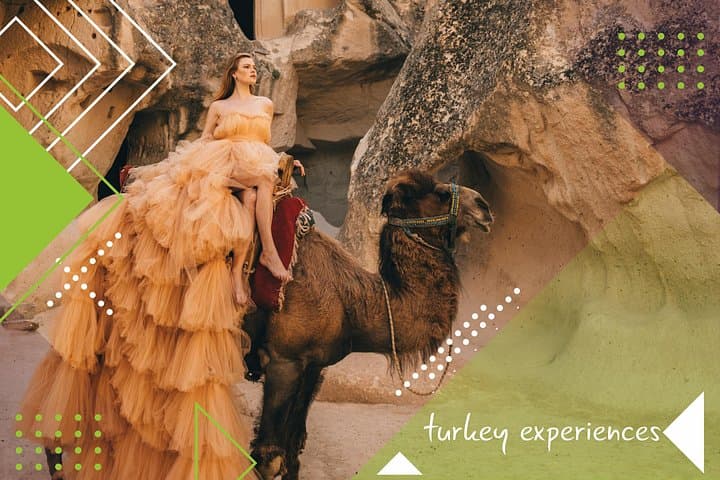
The first light in Cappadocia arrives like a personal alarm: a slow, orange hand that lifts the valley from shadow. Balloons hatch across the sky and a hush falls over the valleys as they rise—an otherworldly convoy of color over rock chimneys and carved churches. That image is the travel promise of this four-day loop through Turkey’s interior: from the milky travertines of Pamukkale to the marble avenues of Ephesus to the lunar fields of Cappadocia, with camels and, for those who add it, a sunrise balloon ride.
Verified experiences and guided adventures in the surrounding area.
Operated by Turkey Experiences · Göreme, Nevşehir
The first light in Cappadocia arrives like a personal alarm: a slow, orange hand that lifts the valley from shadow. Balloons hatch across the sky and a hush falls over the valleys as they rise—an otherworldly convoy of color over rock chimneys and carved churches. That image is the travel promise of this four-day loop through Turkey’s interior: from the milky travertines of Pamukkale to the marble avenues of Ephesus to the lunar fields of Cappadocia, with camels and, for those who add it, a sunrise balloon ride.
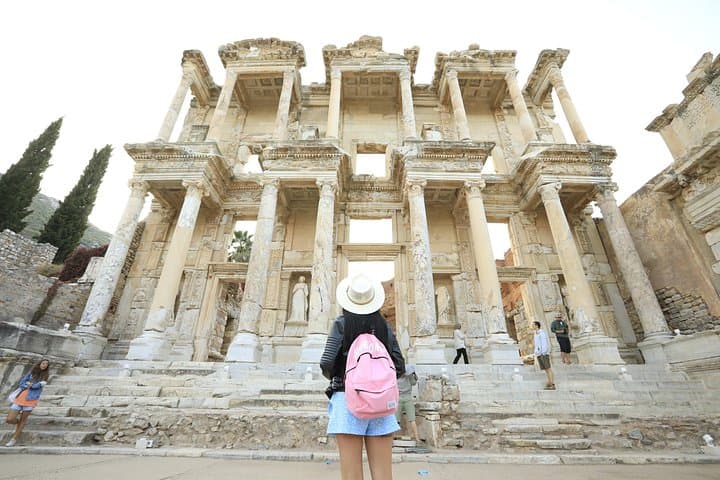
Geology and history run side-by-side here. Pamukkale’s white terraces are living limestone, fed by hot springs that have deposited calcium carbonate for millennia; layered pools flow into the ruins of Hierapolis, a Greco-Roman spa city whose theater and necropolis whisper early-Christian stories. Ephesus was once a major Mediterranean port and urban center—Celsus’ library, the Great Theatre and the marble-curved Curetes Street still convey imperial scale. Cappadocia’s dramatic cones and “fairy chimneys” are the result of soft tuff eroded by wind and time, then hollowed into monasteries and homes by early Christian communities who painted vivid frescoes in cave churches.
Culture here is tactile: potters in Avanos turn clay from the Kızılırmak; local cooperatives demonstrate carpet weaving; and restaurants hand you testi kebab, unsealed bells crackling with steam. Guides on this semi-private package (max 10) tie the sites together with practical context—why a Roman bath sits above a thermal spring, or how volcanic ash became a building material.
Practicalities matter. The package includes domestic flights and hotels, three breakfasts and lunches, camel rides, and the option to add the iconic balloon flight (gold package). Expect early mornings, uneven walking surfaces and some stairs; bring a flexible luggage plan (domestic flights typically allow 15 kg checked + 8 kg cabin). Hot-air flights are weather-dependent—operators offer a money-back guarantee if ground conditions cancel the ride.
Timing tips: schedule Ephesus before late afternoon crowds and aim for Pamukkale in late afternoon for softer light on the travertines. Wear grippy shoes for terraces and cave sites, carry a daypack with water and a light layer for cool mornings, and respect site rules—no shoes on the Pamukkale travertines and no flash in fragile cave chapels.
This is a compact, sensory-rich tour for travelers who want layered history, geological spectacle and a few unforgettable transport moments—a camel’s step through rose-colored gorges, a balloon’s slow lift above an alien skyline, and the cold, curative touch of thermal pools below a Roman ruin.
The balloon is included only with the Gold (or Diamond) booking option; if weather cancels the flight the operator offers a refund for that add-on.
Standard allowance is 15 kg checked luggage plus an 8 kg cabin bag—notify the operator if you need extra capacity as charges may apply.
Yes; solo travelers are accommodated and the operator assigns single rooms without surcharge if available.
Yes—vegetarian and Halal options are available; state dietary requirements at booking to ensure arrangements.
Expect several hours of moderate walking on uneven ground and steps, especially at Ephesus, Pamukkale terraces and Göreme Open-Air Museum.
Balloon flights are weather-dependent; the operator will refund canceled balloon bookings (money-back guarantee) and may reschedule other optional activities when possible.
Turkey Experiences operates guided outdoor trips and adventures with an emphasis on safety, stewardship, and memorable experiences.
The first light in Cappadocia arrives like a personal alarm: a slow, orange hand that lifts the valley from shadow. Balloons hatch across the sky and a hush falls over the valleys as they rise—an otherworldly convoy of color over rock chimneys and carved churches. That image is the travel promise of this four-day loop through Turkey’s interior: from the milky travertines of Pamukkale to the marble avenues of Ephesus to the lunar fields of Cappadocia, with camels and, for those who add it, a sunrise balloon ride.
The first light in Cappadocia arrives like a personal alarm: a slow, orange hand that lifts the valley from shadow. Balloons hatch across the sky and a hush falls over the valleys as they rise—an otherworldly convoy of color over rock chimneys and carved churches. That image is the travel promise of this four-day loop through Turkey’s interior: from the milky travertines of Pamukkale to the marble avenues of Ephesus to the lunar fields of Cappadocia, with camels and, for those who add it, a sunrise balloon ride.
Geology and history run side-by-side here. Pamukkale’s white terraces are living limestone, fed by hot springs that have deposited calcium carbonate for millennia; layered pools flow into the ruins of Hierapolis, a Greco-Roman spa city whose theater and necropolis whisper early-Christian stories. Ephesus was once a major Mediterranean port and urban center—Celsus’ library, the Great Theatre and the marble-curved Curetes Street still convey imperial scale. Cappadocia’s dramatic cones and “fairy chimneys” are the result of soft tuff eroded by wind and time, then hollowed into monasteries and homes by early Christian communities who painted vivid frescoes in cave churches.
Culture here is tactile: potters in Avanos turn clay from the Kızılırmak; local cooperatives demonstrate carpet weaving; and restaurants hand you testi kebab, unsealed bells crackling with steam. Guides on this semi-private package (max 10) tie the sites together with practical context—why a Roman bath sits above a thermal spring, or how volcanic ash became a building material.
Practicalities matter. The package includes domestic flights and hotels, three breakfasts and lunches, camel rides, and the option to add the iconic balloon flight (gold package). Expect early mornings, uneven walking surfaces and some stairs; bring a flexible luggage plan (domestic flights typically allow 15 kg checked + 8 kg cabin). Hot-air flights are weather-dependent—operators offer a money-back guarantee if ground conditions cancel the ride.
Timing tips: schedule Ephesus before late afternoon crowds and aim for Pamukkale in late afternoon for softer light on the travertines. Wear grippy shoes for terraces and cave sites, carry a daypack with water and a light layer for cool mornings, and respect site rules—no shoes on the Pamukkale travertines and no flash in fragile cave chapels.
This is a compact, sensory-rich tour for travelers who want layered history, geological spectacle and a few unforgettable transport moments—a camel’s step through rose-colored gorges, a balloon’s slow lift above an alien skyline, and the cold, curative touch of thermal pools below a Roman ruin.