THE ADVENTURE COLLECTIVE® · Independent discovery and booking for outdoor travel

Float above Cappadocia at dawn, walk the marble avenues of Ephesus and soak in Pamukkale’s milky terraces on a compact four-day loop through Turkey’s most iconic landscapes. Expect early mornings, domestic flights, and rich, walkable history.
Float above Cappadocia at dawn, walk the marble avenues of Ephesus and soak in Pamukkale’s milky terraces on a compact four-day loop through Turkey’s most iconic landscapes. Expect early mornings, domestic flights, and rich, walkable history.
At dawn the Cappadocian sky is already working—hundreds of balloons bloom above a moonscape of honeycombed rock and chimneys that seem to have grown up overnight. The basket tugs, the pilot counts, and the valley widens beneath you: fairy chimneys puncture soft tuff like the teeth of some patient giant. This four-day circuit threads that first light with ancient marble streets and mineral-white terraces, moving from Göreme’s volcanic ridges to the colonnades of Ephesus and the thermal pools of Pamukkale.
Verified experiences and guided adventures in the surrounding area.
Operated by Turkey Trips · Göreme, Nevşehir
At dawn the Cappadocian sky is already working—hundreds of balloons bloom above a moonscape of honeycombed rock and chimneys that seem to have grown up overnight. The basket tugs, the pilot counts, and the valley widens beneath you: fairy chimneys puncture soft tuff like the teeth of some patient giant. This four-day circuit threads that first light with ancient marble streets and mineral-white terraces, moving from Göreme’s volcanic ridges to the colonnades of Ephesus and the thermal pools of Pamukkale.
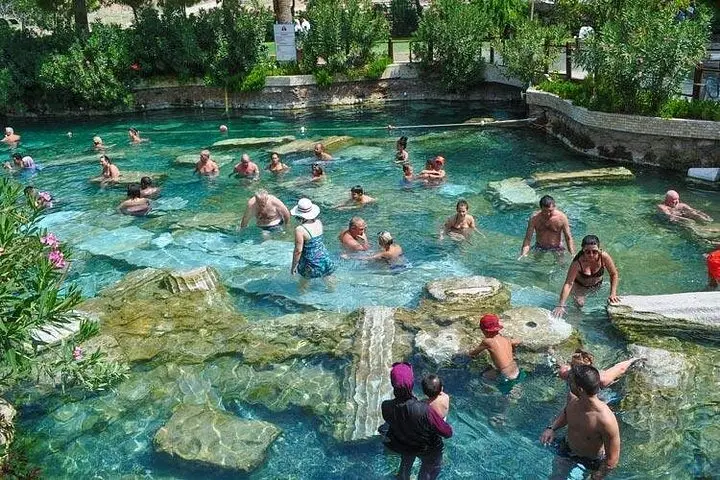
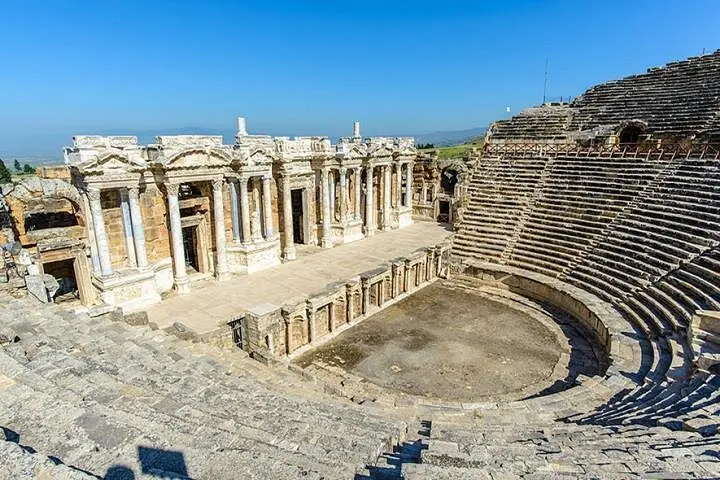
Geology wrote the opening paragraphs here. Volcanic ash compacted into soft tuff millions of years ago, then wind and flash floods shaped the spires people now call fairy chimneys. Ephesus, by contrast, is Roman order laid on Hellenic foundations: marble avenues, the two-story façade of the Library of Celsus, and tiered theatres that still hold sound. Pamukkale’s travertine terraces are calcium-rich springs that have been calcifying the hillside for millennia; Hierapolis grew above them as a healing city.
Culture in this itinerary alternates between lived-in villages and preserved ruins. Potters in Avanos still turn red-clay wares from the Kizilirmak sediments; in Şirince (a short detour) you can taste locally made fruit wines. In Ephesus the Odeon and the brothel’s evidence of daily life make history tactile; at the House of the Virgin Mary pilgrimage and quiet views converge.
Practical edge: this is an active, logistically dense trip. Expect early pickups (around 5:00 a.m.), two domestic flights, and several short to moderate walks—many surfaces are uneven, stairs common, and some sites require barefoot access (Pamukkale terraces). Luggage policy limits most travelers to one suitcase plus carry-on; oversized bags may be restricted. Bring a lightweight daypack, hydration system, and shoes with sticky soles for wet travertine. The hot-air balloon ride at dawn is optional but fills fast—booked separately or early through the operator. Carry your passport; identity checks occur at airports and some archaeological entrances.
Timing and season matter: balloons fly most mornings in spring–fall but are weather-dependent; Pamukkale’s terraces are best seen in morning light when the water runs brightest. Respect conservation rules—stay on designated paths at Pamukkale and do not apply lotions before entering thermal pools. Modest tips for locals and your guide are customary.
This itinerary compresses geology, classical history, and thermal relaxation into four tight days. It asks for early mornings and honest walking, and it rewards with sunrise from a balloon, the cool shadowed aisles of a Roman library, and travertine pools that catch the sun like blown glass.
Visa requirements depend on nationality; you must obtain any required visa before travel—check Turkey’s official e-visa portal and have it confirmed prior to departure.
The balloon flight over Cappadocia is typically offered as an optional early-morning activity and is booked separately; confirm inclusion when you book your tour package.
Expect multiple short walks (0.5–3 km) at archaeological sites with stairs and uneven ground; days are full but not technical.
Hotels accept cards, but small vendors, tips and some rural sites are cash-preferred—carry Turkish lira for convenience.
Yes, Pamukkale is open year-round but water flow and temperatures vary; winter visits are quieter but cooler, while summer is busier.
Guides are commonly English-speaking; if you need another language request at booking to confirm availability.
Turkey Trips operates guided outdoor trips and adventures with an emphasis on safety, stewardship, and memorable experiences.
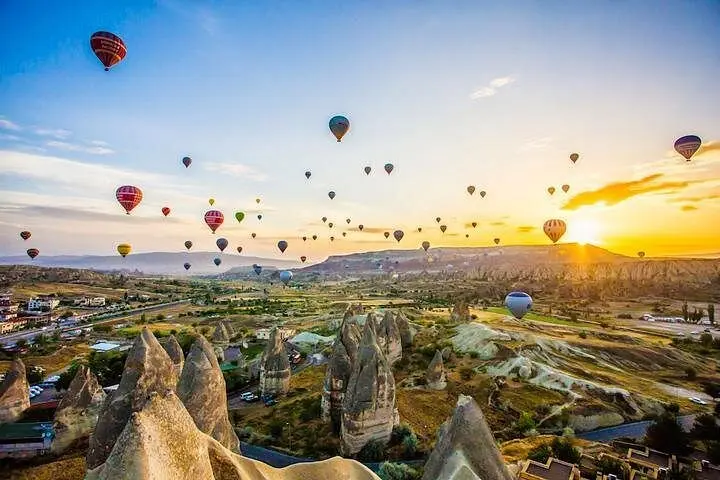
At dawn the Cappadocian sky is already working—hundreds of balloons bloom above a moonscape of honeycombed rock and chimneys that seem to have grown up overnight. The basket tugs, the pilot counts, and the valley widens beneath you: fairy chimneys puncture soft tuff like the teeth of some patient giant. This four-day circuit threads that first light with ancient marble streets and mineral-white terraces, moving from Göreme’s volcanic ridges to the colonnades of Ephesus and the thermal pools of Pamukkale.
At dawn the Cappadocian sky is already working—hundreds of balloons bloom above a moonscape of honeycombed rock and chimneys that seem to have grown up overnight. The basket tugs, the pilot counts, and the valley widens beneath you: fairy chimneys puncture soft tuff like the teeth of some patient giant. This four-day circuit threads that first light with ancient marble streets and mineral-white terraces, moving from Göreme’s volcanic ridges to the colonnades of Ephesus and the thermal pools of Pamukkale.
Geology wrote the opening paragraphs here. Volcanic ash compacted into soft tuff millions of years ago, then wind and flash floods shaped the spires people now call fairy chimneys. Ephesus, by contrast, is Roman order laid on Hellenic foundations: marble avenues, the two-story façade of the Library of Celsus, and tiered theatres that still hold sound. Pamukkale’s travertine terraces are calcium-rich springs that have been calcifying the hillside for millennia; Hierapolis grew above them as a healing city.
Culture in this itinerary alternates between lived-in villages and preserved ruins. Potters in Avanos still turn red-clay wares from the Kizilirmak sediments; in Şirince (a short detour) you can taste locally made fruit wines. In Ephesus the Odeon and the brothel’s evidence of daily life make history tactile; at the House of the Virgin Mary pilgrimage and quiet views converge.
Practical edge: this is an active, logistically dense trip. Expect early pickups (around 5:00 a.m.), two domestic flights, and several short to moderate walks—many surfaces are uneven, stairs common, and some sites require barefoot access (Pamukkale terraces). Luggage policy limits most travelers to one suitcase plus carry-on; oversized bags may be restricted. Bring a lightweight daypack, hydration system, and shoes with sticky soles for wet travertine. The hot-air balloon ride at dawn is optional but fills fast—booked separately or early through the operator. Carry your passport; identity checks occur at airports and some archaeological entrances.
Timing and season matter: balloons fly most mornings in spring–fall but are weather-dependent; Pamukkale’s terraces are best seen in morning light when the water runs brightest. Respect conservation rules—stay on designated paths at Pamukkale and do not apply lotions before entering thermal pools. Modest tips for locals and your guide are customary.
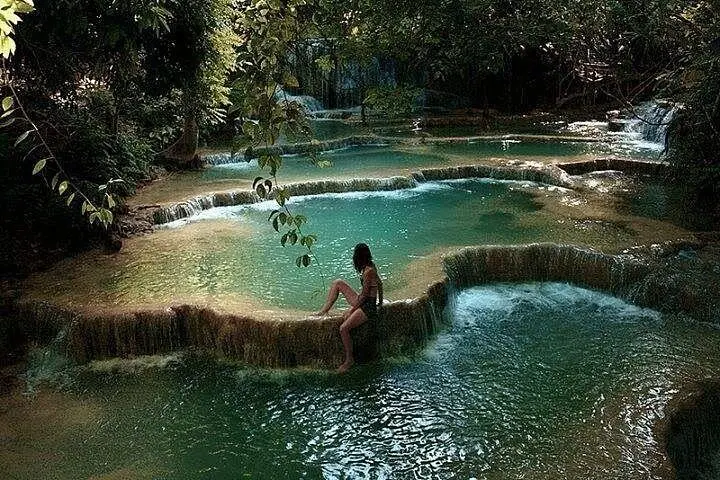
This itinerary compresses geology, classical history, and thermal relaxation into four tight days. It asks for early mornings and honest walking, and it rewards with sunrise from a balloon, the cool shadowed aisles of a Roman library, and travertine pools that catch the sun like blown glass.