THE ADVENTURE COLLECTIVE® · Independent discovery and booking for outdoor travel

A four-day guided circuit from Uluru to the West MacDonnell Ranges that blends geology, Anangu culture and remote outback camping. Expect guided walks (2–6 km daily, one longer 12–15 km option), safari tents or swags, and star-filled nights.
A four-day guided circuit from Uluru to the West MacDonnell Ranges that blends geology, Anangu culture and remote outback camping. Expect guided walks (2–6 km daily, one longer 12–15 km option), safari tents or swags, and star-filled nights.
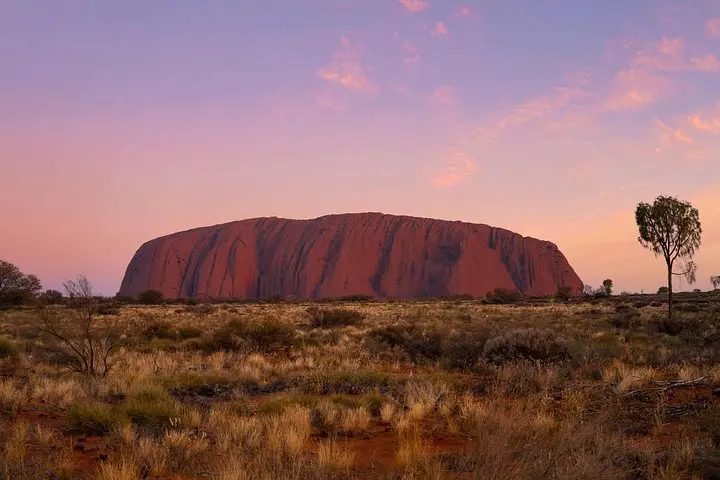
The bus lifts away from the low lights of Yulara before dawn and the desert exhales—a wide, ribbed horizon turning from black to bruised purple, then to the copper face of Uluru catching first light. On this four-day circuit through Uluru-Kata Tjuta, Kings Canyon and the West MacDonnell Ranges, the landscape isn’t a backdrop; it moves, shifts and challenges you. Your guide sets the pace: stories of creation, rock art panels at Mutitjulu, and the low, insistent wind that re-sculpts the red earth.
Verified experiences and guided adventures in the surrounding area.
Operated by Autopia Tours · Yulara, Northern Territory
The bus lifts away from the low lights of Yulara before dawn and the desert exhales—a wide, ribbed horizon turning from black to bruised purple, then to the copper face of Uluru catching first light. On this four-day circuit through Uluru-Kata Tjuta, Kings Canyon and the West MacDonnell Ranges, the landscape isn’t a backdrop; it moves, shifts and challenges you. Your guide sets the pace: stories of creation, rock art panels at Mutitjulu, and the low, insistent wind that re-sculpts the red earth.
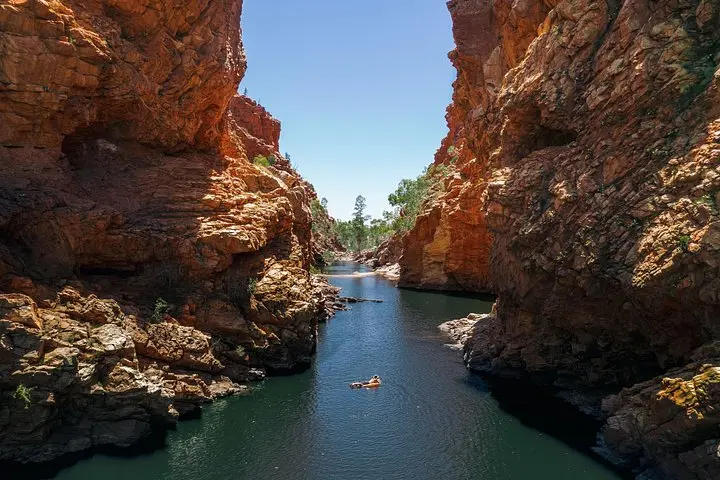
Geology here reads like a slow-motion drama. Uluru is a flattened giant of arkose sandstone weathered over 500 million years, while the knuckled domes of Kata Tjuta are older conglomerates—boulders cemented into cliffs that cast dramatic shadows in the late afternoon. Kings Canyon (Watarrka) drops in with cliff faces up to 100 metres high and a rim walk that rolls across plateaus and into sandstone chasms carved by ancient water. The West MacDonnell Ranges finish the narrative with waterholes—Ellery Creek Bighole and Ormiston Gorge—that hold life where the plains go bone dry.
Culture is constant here. The Anangu people hold law and story in these places; guides share context at cultural centres and at rock art sites, emphasizing that many locations are living sites of meaning. The park’s UNESCO listing in 1987 recognizes both natural values and the cultural continuity of the region.
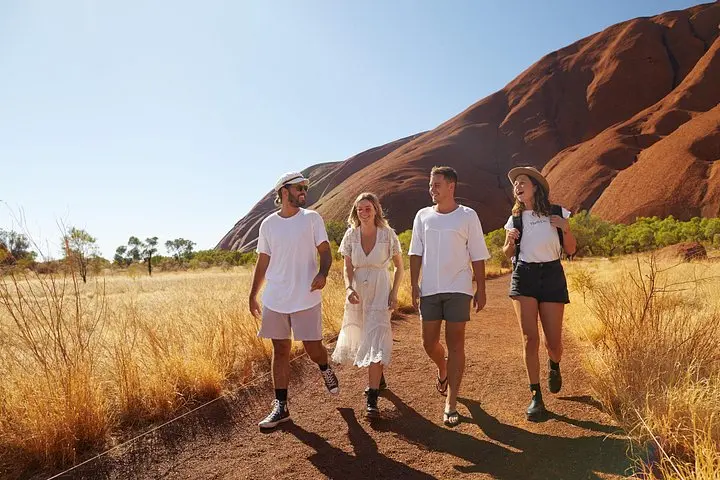
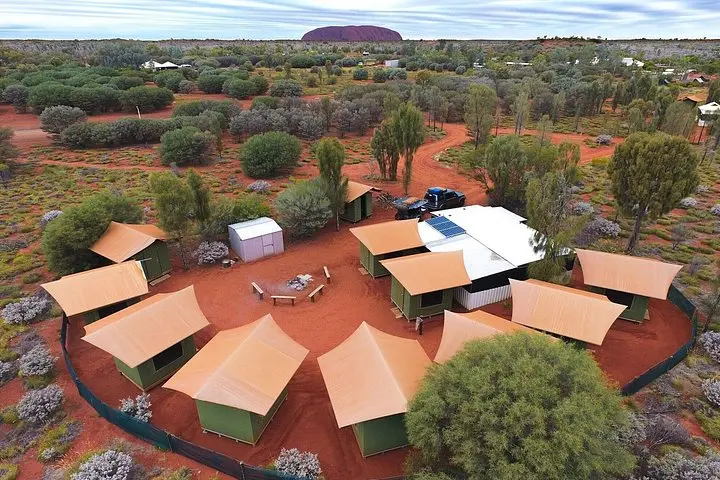
Practicalities are straightforward but important. Expect daily guided walks of 2–6 km, with one longer 12–15 km option available depending on weather and fitness. The Kings Canyon rim walk includes a steep initial climb—plan for roughly 200–300 m of ascent and many uneven steps—and exposed ridgelines where shade is minimal. Temperatures can swing wildly: hot by day, chill by night; carry at least 2–3 litres of water, a wide-brim hat, and sun protection. Camps are off-grid but comfortable—safari tents or traditional swags—with shared facilities powered by solar. Meals are provided and travellers help with basic camp tasks, creating an intimate, communal pace.
Timing matters: sunrise and sunset are when the rock shows its true color and when walks are easiest. Footwear should be broken-in and grippy; trekking poles help on loose scree and descents. Because many sites are sacred, climbing Uluru is discouraged and often closed—be prepared to listen and follow cultural guidance.
This itinerary compresses a huge expanse of the Red Centre into four purposeful days: geology you can touch, stories you’ll hear again at the campsite, and nights beneath a sky so profuse with stars it will redraw your sense of scale. It’s not a comfortable hotel circuit—it’s raw, communal and physically demanding in the best way. Come prepared and the desert will give you some of its best secrets.
Yes — the tour offers pickups in both Yulara (Ayers Rock) and Alice Springs; advise flight details when booking.
Daily walks generally range from 2–6 km; the itinerary may include a longer 12–15 km option depending on conditions and fitness.
Yes — breakfasts, lunches and dinners shown are included, along with the Uluru-Kata Tjuta National Park pass.
Camps offer safari tents with mattresses and pillow or traditional swags; facilities are basic and mostly solar-powered.
Children 8–17 must be accompanied by an adult; the tour isn’t suitable for children under 8 due to fitness and safety requirements.
Travel insurance is strongly recommended. Travellers over 75 need a doctor’s certificate 30+ days before departure.
Autopia Tours operates guided outdoor trips and adventures with an emphasis on safety, stewardship, and memorable experiences.
The bus lifts away from the low lights of Yulara before dawn and the desert exhales—a wide, ribbed horizon turning from black to bruised purple, then to the copper face of Uluru catching first light. On this four-day circuit through Uluru-Kata Tjuta, Kings Canyon and the West MacDonnell Ranges, the landscape isn’t a backdrop; it moves, shifts and challenges you. Your guide sets the pace: stories of creation, rock art panels at Mutitjulu, and the low, insistent wind that re-sculpts the red earth.
The bus lifts away from the low lights of Yulara before dawn and the desert exhales—a wide, ribbed horizon turning from black to bruised purple, then to the copper face of Uluru catching first light. On this four-day circuit through Uluru-Kata Tjuta, Kings Canyon and the West MacDonnell Ranges, the landscape isn’t a backdrop; it moves, shifts and challenges you. Your guide sets the pace: stories of creation, rock art panels at Mutitjulu, and the low, insistent wind that re-sculpts the red earth.
Geology here reads like a slow-motion drama. Uluru is a flattened giant of arkose sandstone weathered over 500 million years, while the knuckled domes of Kata Tjuta are older conglomerates—boulders cemented into cliffs that cast dramatic shadows in the late afternoon. Kings Canyon (Watarrka) drops in with cliff faces up to 100 metres high and a rim walk that rolls across plateaus and into sandstone chasms carved by ancient water. The West MacDonnell Ranges finish the narrative with waterholes—Ellery Creek Bighole and Ormiston Gorge—that hold life where the plains go bone dry.
Culture is constant here. The Anangu people hold law and story in these places; guides share context at cultural centres and at rock art sites, emphasizing that many locations are living sites of meaning. The park’s UNESCO listing in 1987 recognizes both natural values and the cultural continuity of the region.
Practicalities are straightforward but important. Expect daily guided walks of 2–6 km, with one longer 12–15 km option available depending on weather and fitness. The Kings Canyon rim walk includes a steep initial climb—plan for roughly 200–300 m of ascent and many uneven steps—and exposed ridgelines where shade is minimal. Temperatures can swing wildly: hot by day, chill by night; carry at least 2–3 litres of water, a wide-brim hat, and sun protection. Camps are off-grid but comfortable—safari tents or traditional swags—with shared facilities powered by solar. Meals are provided and travellers help with basic camp tasks, creating an intimate, communal pace.
Timing matters: sunrise and sunset are when the rock shows its true color and when walks are easiest. Footwear should be broken-in and grippy; trekking poles help on loose scree and descents. Because many sites are sacred, climbing Uluru is discouraged and often closed—be prepared to listen and follow cultural guidance.
This itinerary compresses a huge expanse of the Red Centre into four purposeful days: geology you can touch, stories you’ll hear again at the campsite, and nights beneath a sky so profuse with stars it will redraw your sense of scale. It’s not a comfortable hotel circuit—it’s raw, communal and physically demanding in the best way. Come prepared and the desert will give you some of its best secrets.