THE ADVENTURE COLLECTIVE® · Independent discovery and booking for outdoor travel

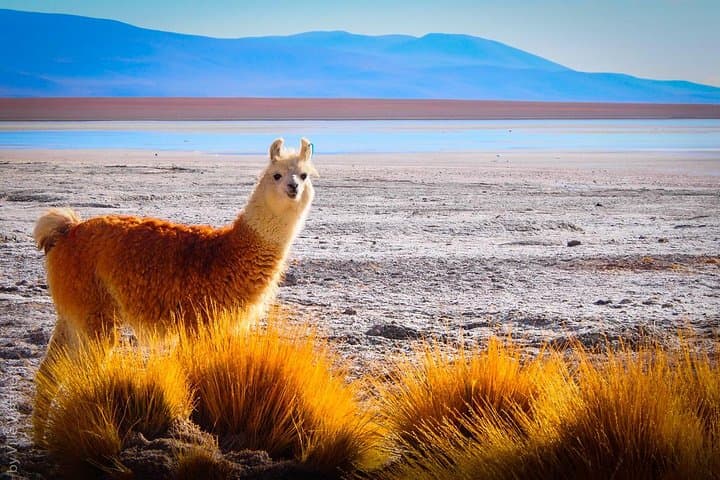
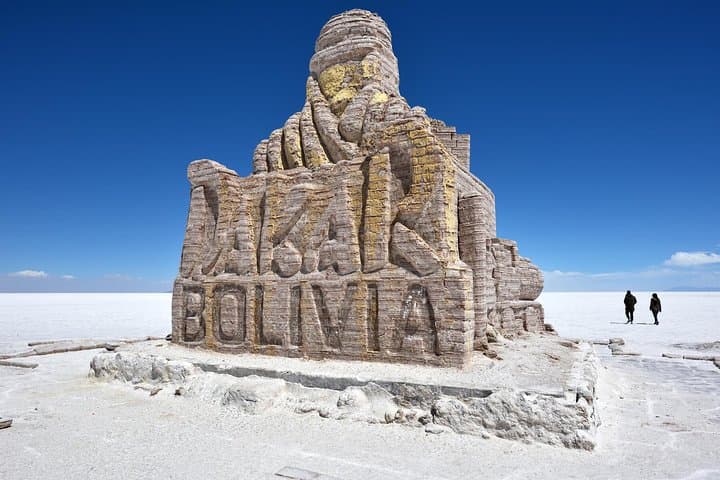
A compact 4-day expedition from Puno that combines cultural stops in La Paz with the unforgettable expanse of the Salar de Uyuni. Expect salt flats, cactus islands, train cemeteries and high-altitude driving with dramatic sunrise and sunset photo opportunities.
A compact 4-day expedition from Puno that combines cultural stops in La Paz with the unforgettable expanse of the Salar de Uyuni. Expect salt flats, cactus islands, train cemeteries and high-altitude driving with dramatic sunrise and sunset photo opportunities.
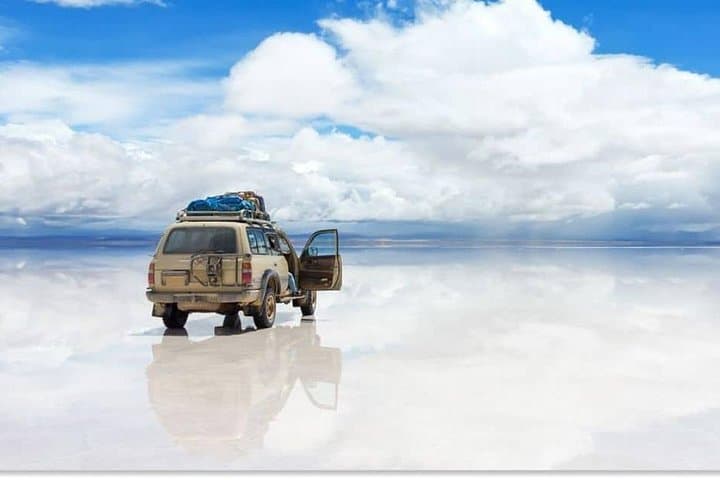
The wind on the salt flat pushes like a suggestion: walk farther, climb the cactus-studded hump, wait for the mirror to form. You arrive from a night bus into a town that feels built to service the great white plain, then spill onto a landscape so stark the horizon becomes a reliable compass.
Verified experiences and guided adventures in the surrounding area.
Operated by PVTravels · Uyuni, Potosí
The wind on the salt flat pushes like a suggestion: walk farther, climb the cactus-studded hump, wait for the mirror to form. You arrive from a night bus into a town that feels built to service the great white plain, then spill onto a landscape so stark the horizon becomes a reliable compass.
This four-day route threads Puno, Copacabana and La Paz en route to Uyuni and the Salar — over 10,000 km² of evaporated lake at roughly 3,500 m elevation. Geology here is recent and brutal: ancient lakes left a crust of salt and salt-cemented polygons, punctuated by volcanic islands like Incahuasi, whose giant cacti mark prehistoric reef outcrops. Cultural layers sit beside the geology — Aymara and Quechua communities, colonial-era churches in Copacabana and market rituals in La Paz’s witch market reflect centuries of highland life.
Expect straightforward daily drives and short walks: the Train Cemetery, salt-processing workshops in Colchani, the salt hotel museum and a 20–40 minute climb on Incahuasi for panoramic views. Weather swings quickly — cold nights, sun-intense afternoons and occasional summer rains that bring the mirror effect.
Practical guidance: pace your arrival to allow basic acclimatization, bring layers for 20–30°C diurnal range, and high-SPF sun protection. Hydrate before and during drives; wear sturdy shoes for island trails and uneven salt crust. Photos are as much about timing and light as equipment — arrive at sunrise or sunset for the clearest reflections.
Yes—Uyuni sits around 3,500 m and La Paz is higher; allow time to acclimatize, hydrate, avoid alcohol before arrival and carry acetazolamide if advised by your doctor.
The rainy season (roughly January–March) can create the celebrated mirror effect; the dry season (April–November) offers clearer driving and crisp white salt expanses.
This itinerary includes three breakfasts and typical local accommodations; lunches on the salt flat are often picnic-style and may be provided depending on the operator.
Salt and fine dust can damage gear—use sealed cases, dry bags, and wipe equipment after exposure; bring silica packs to limit moisture.
PVTravels operates guided outdoor trips and adventures with an emphasis on safety, stewardship, and memorable experiences.

The wind on the salt flat pushes like a suggestion: walk farther, climb the cactus-studded hump, wait for the mirror to form. You arrive from a night bus into a town that feels built to service the great white plain, then spill onto a landscape so stark the horizon becomes a reliable compass.
The wind on the salt flat pushes like a suggestion: walk farther, climb the cactus-studded hump, wait for the mirror to form. You arrive from a night bus into a town that feels built to service the great white plain, then spill onto a landscape so stark the horizon becomes a reliable compass.
This four-day route threads Puno, Copacabana and La Paz en route to Uyuni and the Salar — over 10,000 km² of evaporated lake at roughly 3,500 m elevation. Geology here is recent and brutal: ancient lakes left a crust of salt and salt-cemented polygons, punctuated by volcanic islands like Incahuasi, whose giant cacti mark prehistoric reef outcrops. Cultural layers sit beside the geology — Aymara and Quechua communities, colonial-era churches in Copacabana and market rituals in La Paz’s witch market reflect centuries of highland life.
Expect straightforward daily drives and short walks: the Train Cemetery, salt-processing workshops in Colchani, the salt hotel museum and a 20–40 minute climb on Incahuasi for panoramic views. Weather swings quickly — cold nights, sun-intense afternoons and occasional summer rains that bring the mirror effect.
Practical guidance: pace your arrival to allow basic acclimatization, bring layers for 20–30°C diurnal range, and high-SPF sun protection. Hydrate before and during drives; wear sturdy shoes for island trails and uneven salt crust. Photos are as much about timing and light as equipment — arrive at sunrise or sunset for the clearest reflections.