THE ADVENTURE COLLECTIVE® · Independent discovery and booking for outdoor travel

Explore Zagreb’s historic streets, sip Croatian wines in a city cellar, and spend a day at Plitvice Lakes—where limestone, water, and forest shape dramatic cascades. Practical pacing and gear tips help you enjoy each day without missing the moments.
Explore Zagreb’s historic streets, sip Croatian wines in a city cellar, and spend a day at Plitvice Lakes—where limestone, water, and forest shape dramatic cascades. Practical pacing and gear tips help you enjoy each day without missing the moments.
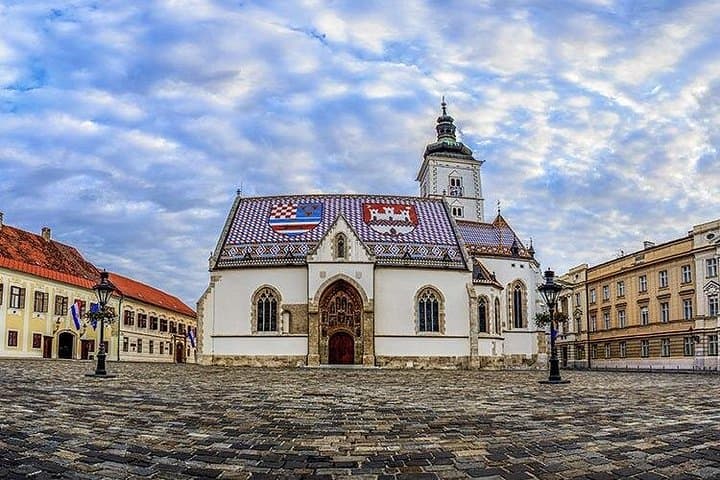
The bus eases out of Zagreb at dawn and the city’s layered history slips past the windows—neoclassical facades, the stone streets of Gradec, and the modern sweep of New Zagreb. By the second morning you’re walking between rival medieval settlements, tasting local wines in a compact cellar that smells of oak and sun-warmed grapes.
Verified experiences and guided adventures in the surrounding area.
Operated by EUROLINKWORLDWIDE · Zagreb, Zagreb County
The bus eases out of Zagreb at dawn and the city’s layered history slips past the windows—neoclassical facades, the stone streets of Gradec, and the modern sweep of New Zagreb. By the second morning you’re walking between rival medieval settlements, tasting local wines in a compact cellar that smells of oak and sun-warmed grapes.
On Day 3 the landscape changes abruptly: the coach climbs toward the karst country where Plitvice’s travertine dams and limestone canyons have been building themselves for millennia. Water insists on movement here—falls calling you toward boardwalks, lakes pulling you along a wooden path that threads through moss and spray.
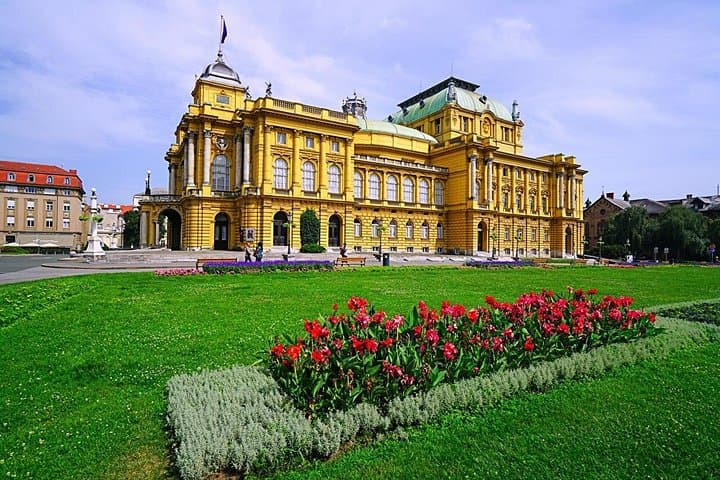
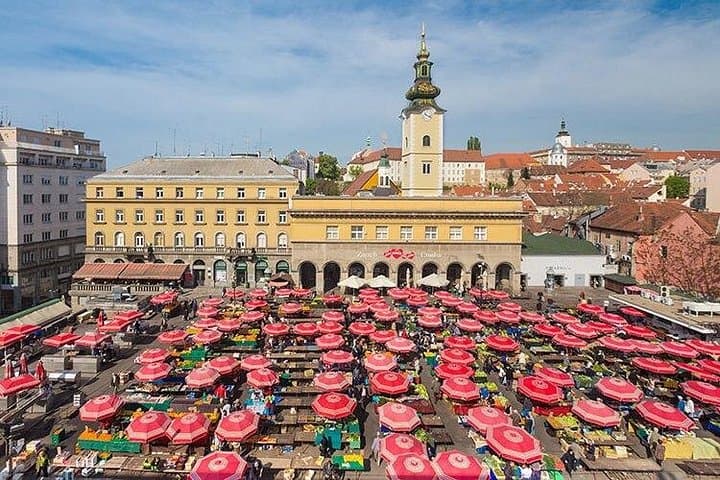
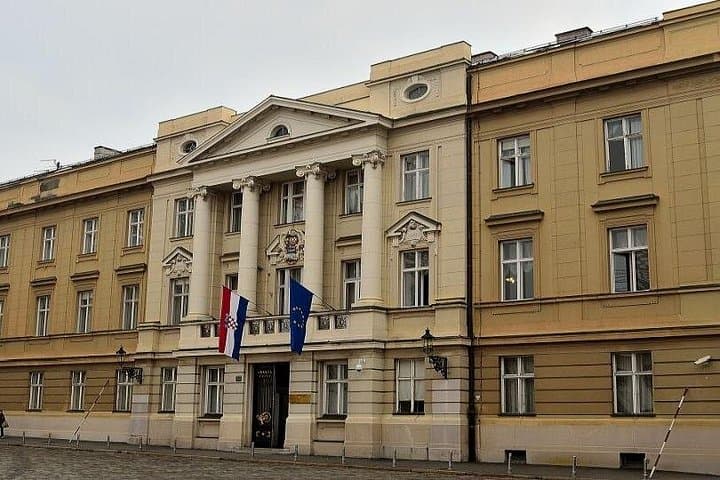
Zagreb’s story is readable in its architecture: Austro-Hungarian boulevards, Austere government buildings, and vibrant markets like Dolac. Geology and hydrology shape Plitvice—the park’s tufa barriers form from mineral-rich springs and plant life, creating the stepped lakes that UNESCO protected in 1979.
Practical guidance: pace your Plitvice visit—choose a shorter trail if you prefer steady photography and allow time for the boat across Kozjak Lake. Bring layered clothing; mornings can be cool while midday under the falls is damp and warm. Comfortable walking shoes with good grip are non-negotiable on wet boardwalks. Carry water and snacks; the park’s facilities are spaced and queues form in high season.
Respect conservation rules: stay on marked routes, avoid disturbing wildlife, and time visits early or late in the day to minimize crowds. This itinerary balances easy urban walks, wine tasting, and a full-day immersion in one of Europe’s most active freshwater landscapes.
Yes; the itinerary includes private arrival and departure transfers between Zagreb Airport or station and your hotel.
Tickets can sell out in high season—book in advance when possible or confirm entry is included with the tour operator before departure.
Most routes involve several (2–6) hours of walking over mostly flat boardwalks and short stair sections; choose a shorter route if mobility is a concern.
Yes; the walk covers cultural highlights of Zagreb and wineries typically offer non-alcoholic options or you can decline tastings while enjoying the stops.
EUROLINKWORLDWIDE operates guided outdoor trips and adventures with an emphasis on safety, stewardship, and memorable experiences.
The bus eases out of Zagreb at dawn and the city’s layered history slips past the windows—neoclassical facades, the stone streets of Gradec, and the modern sweep of New Zagreb. By the second morning you’re walking between rival medieval settlements, tasting local wines in a compact cellar that smells of oak and sun-warmed grapes.
The bus eases out of Zagreb at dawn and the city’s layered history slips past the windows—neoclassical facades, the stone streets of Gradec, and the modern sweep of New Zagreb. By the second morning you’re walking between rival medieval settlements, tasting local wines in a compact cellar that smells of oak and sun-warmed grapes.
On Day 3 the landscape changes abruptly: the coach climbs toward the karst country where Plitvice’s travertine dams and limestone canyons have been building themselves for millennia. Water insists on movement here—falls calling you toward boardwalks, lakes pulling you along a wooden path that threads through moss and spray.
Zagreb’s story is readable in its architecture: Austro-Hungarian boulevards, Austere government buildings, and vibrant markets like Dolac. Geology and hydrology shape Plitvice—the park’s tufa barriers form from mineral-rich springs and plant life, creating the stepped lakes that UNESCO protected in 1979.
Practical guidance: pace your Plitvice visit—choose a shorter trail if you prefer steady photography and allow time for the boat across Kozjak Lake. Bring layered clothing; mornings can be cool while midday under the falls is damp and warm. Comfortable walking shoes with good grip are non-negotiable on wet boardwalks. Carry water and snacks; the park’s facilities are spaced and queues form in high season.
Respect conservation rules: stay on marked routes, avoid disturbing wildlife, and time visits early or late in the day to minimize crowds. This itinerary balances easy urban walks, wine tasting, and a full-day immersion in one of Europe’s most active freshwater landscapes.