THE ADVENTURE COLLECTIVE® · Independent discovery and booking for outdoor travel

A compact, expertly guided four-day loop from Puerto Ayora that pairs Santa Cruz highlands and the Charles Darwin Station with bay snorkeling, Tortuga Bay walks and full-day island boat trips. Expect close wildlife encounters, short hikes and daily chances to snorkel with sea lions.
A compact, expertly guided four-day loop from Puerto Ayora that pairs Santa Cruz highlands and the Charles Darwin Station with bay snorkeling, Tortuga Bay walks and full-day island boat trips. Expect close wildlife encounters, short hikes and daily chances to snorkel with sea lions.
The morning light on Puerto Ayora cuts across mangrove channels and brightens the white sand of Tortuga Bay, where the sea seems to dare you to dive in. On Day One you arrive to a personalized welcome at Seymour Airport and are driven up into Santa Cruz’s highlands — a cool, fern-dusted landscape that feels miles away from the salt and coral of the coast. That contrast — volcanic uplands giving way to reef-strewn shorelines — is the rhythm of a four-day Galapagos sprint that stitches close wildlife encounters with short hikes and repeated, deliberate dips into the Pacific.
Verified experiences and guided adventures in the surrounding area.
Operated by Perfect Destiny · Puerto Ayora, Galápagos
The morning light on Puerto Ayora cuts across mangrove channels and brightens the white sand of Tortuga Bay, where the sea seems to dare you to dive in. On Day One you arrive to a personalized welcome at Seymour Airport and are driven up into Santa Cruz’s highlands — a cool, fern-dusted landscape that feels miles away from the salt and coral of the coast. That contrast — volcanic uplands giving way to reef-strewn shorelines — is the rhythm of a four-day Galapagos sprint that stitches close wildlife encounters with short hikes and repeated, deliberate dips into the Pacific.
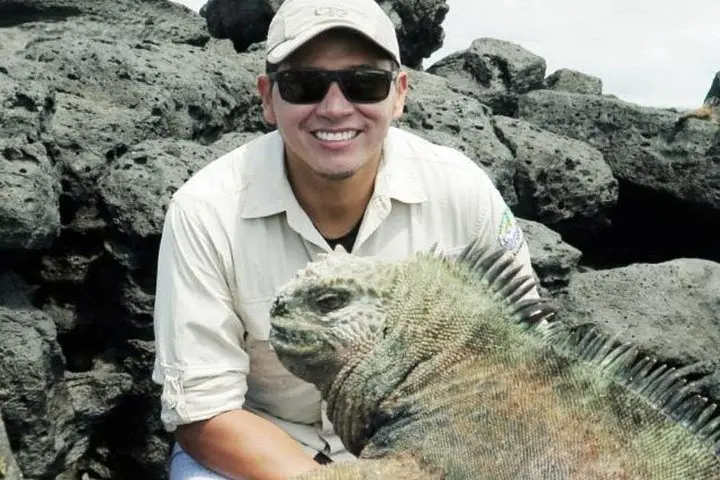
Geology here is blunt and recent: dark lava flows, tuff cones and beaches of pulverized coral record islands born from hotspot eruptions. Cultural history is raw, too — whalers, pirates and early settlers left names like Floreana with stories and scars; the Charles Darwin Research Station on Santa Cruz is now the scientific counterpoint, where captive-breeding programs and invasive-species work are central to any visit.
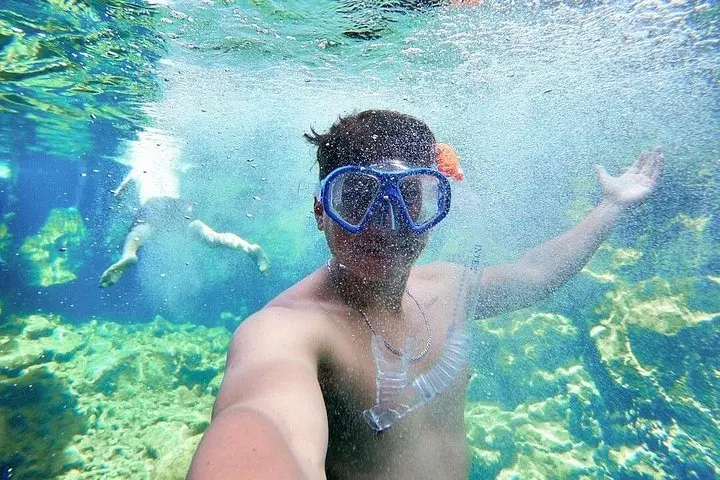
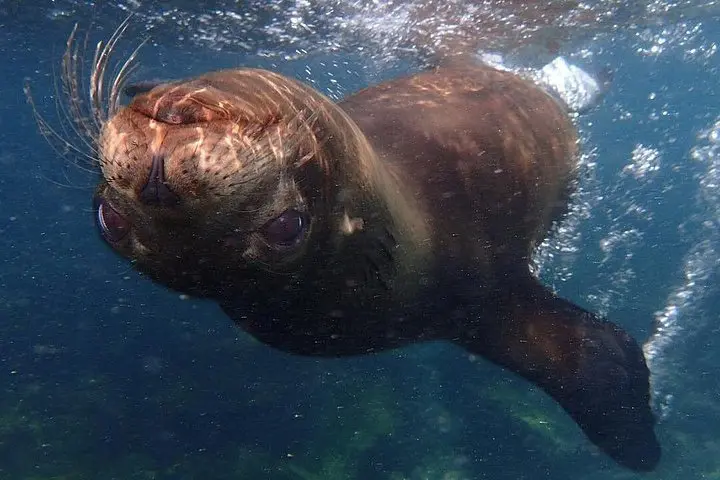
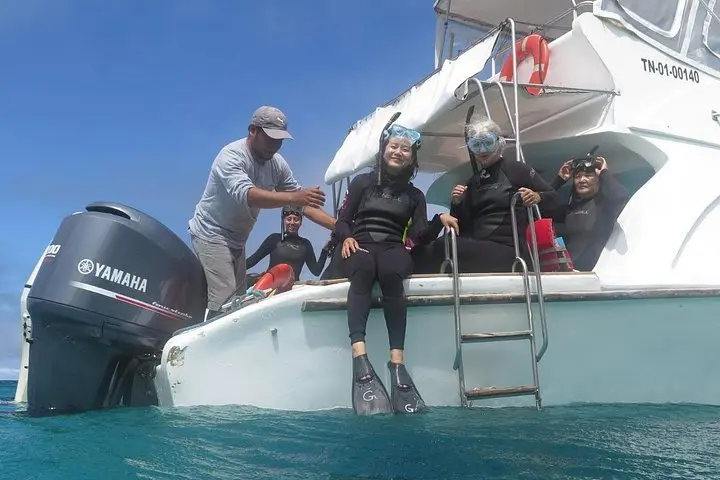
The itinerary is compact and active. Expect a 2.5 km walk to Tortuga Bay across flat sand and scrub (minimal elevation), a panga ride to La Lobería for snorkeling with sea lions, and an option day cruising out to Floreana, Pinzón or Santa Fe — the boat to Pinzón is about 1.5 hours each way. Snorkel sessions are typically 45 minutes; guides time them to match currents and marine life activity. Days end back in Puerto Ayora; accommodation is three nights in a selected-class hotel with AC and private bathroom.
Local insight: the highlands around Santa Cruz sit around 200–400 meters above sea level and offer a chance to see giant tortoises in semi-wild corrals; lunch on board is often freshly caught fish and island staples. Conservation is visible in every permit, fee and rule — the Galapagos National Park requires responsible behavior: do not touch wildlife, keep distances, and avoid introducing foreign seeds or foods.
Practical guidance: carry reef-safe sunscreen, a 10L dry bag, and sturdy water shoes for lava rock and mangrove boardwalks. Wetsuits are not included and are advisable during the cooler season; mask and fins are provided per the program. Bring a small amount of cash for park entrance fees and small local purchases — credit is spotty.
Pace yourself: follow guide briefings on currents and wildlife etiquette, hydrate frequently in the sun, and plan for motion on day trips offshore. Over four days you move from island geology to ocean intimacy — swimming with curious sea lions, watching blue-footed boobies perform, and standing beside slow-moving tortoises — all within a compact, expertly guided loop that leaves a clear sense of why the Galapagos still matters.
Park entrance fees and the INGALA migration control are typically paid separately on arrival and are not included in the tour price.
Mask and fins are specified as included in the program; wetsuits are not included and must be rented if needed.
The tour is suitable for most fitness levels but involves walking up to 2.5 km on sandy paths, short rocky landings and multiple snorkel swims; basic mobility is required.
Children may join but must be accompanied by an adult; operators often set age recommendations depending on boat transfers and snorkeling ability.
You can visit year-round; December–May is warmer with calmer seas and greener landscapes, June–November is cooler with clearer water and stronger upwelling.
Very strict — keep a respectful distance, do not touch animals, follow guide instructions and avoid bringing food or seeds ashore to prevent invasive species issues.
Perfect Destiny operates guided outdoor trips and adventures with an emphasis on safety, stewardship, and memorable experiences.
The morning light on Puerto Ayora cuts across mangrove channels and brightens the white sand of Tortuga Bay, where the sea seems to dare you to dive in. On Day One you arrive to a personalized welcome at Seymour Airport and are driven up into Santa Cruz’s highlands — a cool, fern-dusted landscape that feels miles away from the salt and coral of the coast. That contrast — volcanic uplands giving way to reef-strewn shorelines — is the rhythm of a four-day Galapagos sprint that stitches close wildlife encounters with short hikes and repeated, deliberate dips into the Pacific.
The morning light on Puerto Ayora cuts across mangrove channels and brightens the white sand of Tortuga Bay, where the sea seems to dare you to dive in. On Day One you arrive to a personalized welcome at Seymour Airport and are driven up into Santa Cruz’s highlands — a cool, fern-dusted landscape that feels miles away from the salt and coral of the coast. That contrast — volcanic uplands giving way to reef-strewn shorelines — is the rhythm of a four-day Galapagos sprint that stitches close wildlife encounters with short hikes and repeated, deliberate dips into the Pacific.
Geology here is blunt and recent: dark lava flows, tuff cones and beaches of pulverized coral record islands born from hotspot eruptions. Cultural history is raw, too — whalers, pirates and early settlers left names like Floreana with stories and scars; the Charles Darwin Research Station on Santa Cruz is now the scientific counterpoint, where captive-breeding programs and invasive-species work are central to any visit.
The itinerary is compact and active. Expect a 2.5 km walk to Tortuga Bay across flat sand and scrub (minimal elevation), a panga ride to La Lobería for snorkeling with sea lions, and an option day cruising out to Floreana, Pinzón or Santa Fe — the boat to Pinzón is about 1.5 hours each way. Snorkel sessions are typically 45 minutes; guides time them to match currents and marine life activity. Days end back in Puerto Ayora; accommodation is three nights in a selected-class hotel with AC and private bathroom.
Local insight: the highlands around Santa Cruz sit around 200–400 meters above sea level and offer a chance to see giant tortoises in semi-wild corrals; lunch on board is often freshly caught fish and island staples. Conservation is visible in every permit, fee and rule — the Galapagos National Park requires responsible behavior: do not touch wildlife, keep distances, and avoid introducing foreign seeds or foods.
Practical guidance: carry reef-safe sunscreen, a 10L dry bag, and sturdy water shoes for lava rock and mangrove boardwalks. Wetsuits are not included and are advisable during the cooler season; mask and fins are provided per the program. Bring a small amount of cash for park entrance fees and small local purchases — credit is spotty.
Pace yourself: follow guide briefings on currents and wildlife etiquette, hydrate frequently in the sun, and plan for motion on day trips offshore. Over four days you move from island geology to ocean intimacy — swimming with curious sea lions, watching blue-footed boobies perform, and standing beside slow-moving tortoises — all within a compact, expertly guided loop that leaves a clear sense of why the Galapagos still matters.