THE ADVENTURE COLLECTIVE® · Independent discovery and booking for outdoor travel

Trace pink sandstone streets, search for Bengal tigers in Ranthambore’s scrub, and glide past palaces on Udaipur’s lakes in four days of guided culture and wildlife. Early safaris and a local guide make this a compact, practical Rajasthan circuit.
Trace pink sandstone streets, search for Bengal tigers in Ranthambore’s scrub, and glide past palaces on Udaipur’s lakes in four days of guided culture and wildlife. Early safaris and a local guide make this a compact, practical Rajasthan circuit.
The morning in Jaipur smells of chai and diesel: narrow lanes open onto broad pink façades, rickshaws thread through traffic and the Jal Mahal sits like a mirage on Man Sagar Lake. You begin with palaces and observatories—stone instruments at Jantar Mantar and the latticed façade of Hawa Mahal—then the road takes you into the Aravalli foothills toward Ranthambore where the landscape hardens into scrub and rocky ridges.
Verified experiences and guided adventures in the surrounding area.
Operated by Unseen Tours and Travels · Jaipur, Rajasthan
The morning in Jaipur smells of chai and diesel: narrow lanes open onto broad pink façades, rickshaws thread through traffic and the Jal Mahal sits like a mirage on Man Sagar Lake. You begin with palaces and observatories—stone instruments at Jantar Mantar and the latticed façade of Hawa Mahal—then the road takes you into the Aravalli foothills toward Ranthambore where the landscape hardens into scrub and rocky ridges.
Ranthambore was a royal hunting ground before becoming one of India’s most important tiger reserves; the park’s granite outcrops and the 10th‑century Ranthambore Fort are landmarks amid sal forest and seasonal lakes. After safari drives in open jeeps you head further south to Udaipur, where Lake Pichola and the layered City Palace show Mewar’s centuries of courtly architecture and water‑management engineering.
Expect a mix of guided city walks, wildlife drives and long highway legs (Jaipur→Ranthambore ~170 km/4 hr; Ranthambore→Udaipur ~370 km/5+ hr). The program typically uses an air‑conditioned car with a local English‑speaking guide and a shared safari in Ranthambore; entrance fees and monument charges are extra. Early‑morning safaris give the best tiger sightings; afternoons are quieter and hotter.
Practical tips: carry cash for park fees and small vendors, bring binoculars and sun protection, and plan for uneven jeep tracks inside the reserve. Timings can shift with local traffic—confirm pickup times ahead. The trip balances culture and wildlife: prepare for heat, dust, a few dusty drives and the chance to watch a tiger cross a waterhole at dawn.
No—tigers are wild and sightings cannot be guaranteed; early morning safaris increase the chance, and guides use experience and recent tracking to improve odds.
Most monument and park entry fees are not included by default—confirm your booking option, as some packages add hotel and entry fees for 5‑star options.
Expect roughly 170 km/4 hours from Jaipur to Ranthambore and about 370 km/5+ hours from Ranthambore to Udaipur; times vary with traffic and road conditions.
Pickups are generally from Jaipur hotels and start early—confirm exact pickup time with the local operator as timings may change with traffic.
Unseen Tours and Travels operates guided outdoor trips and adventures with an emphasis on safety, stewardship, and memorable experiences.
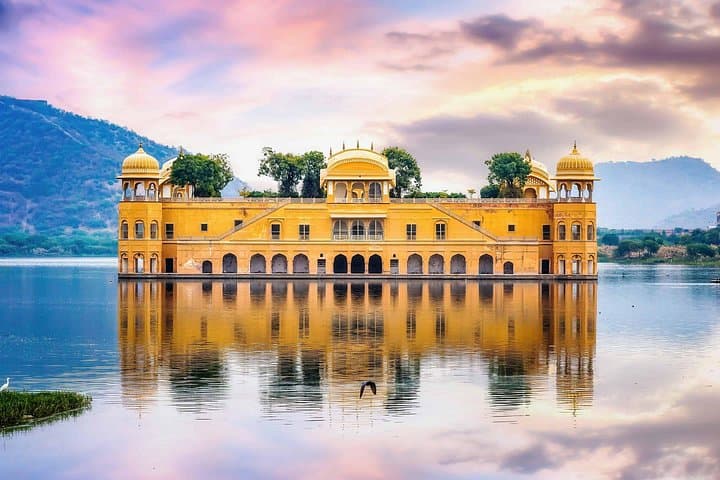
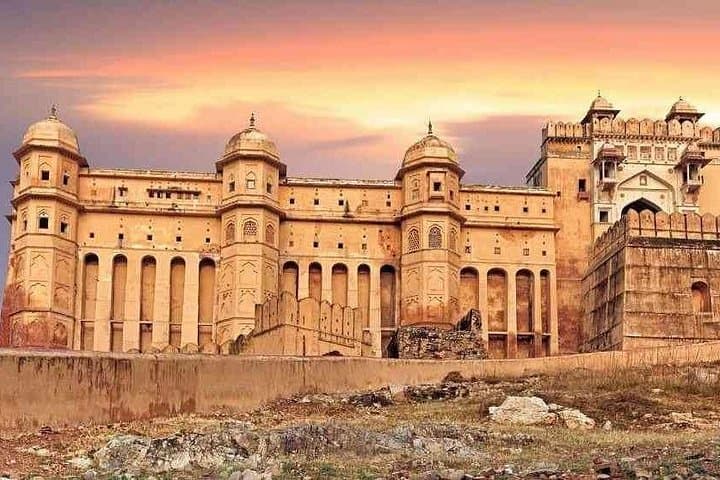
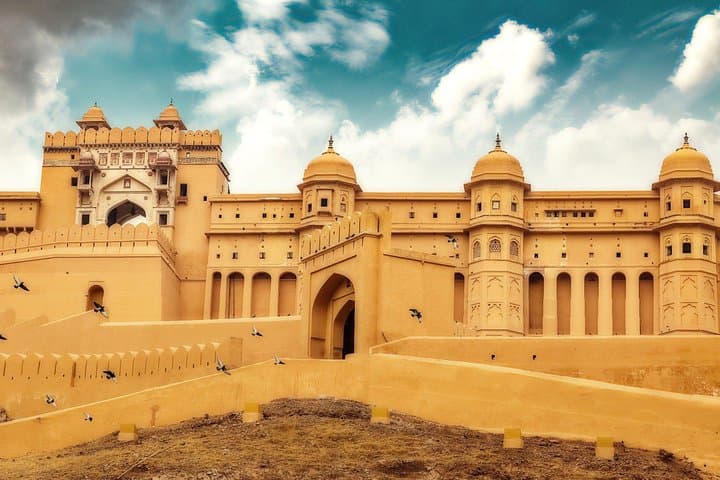
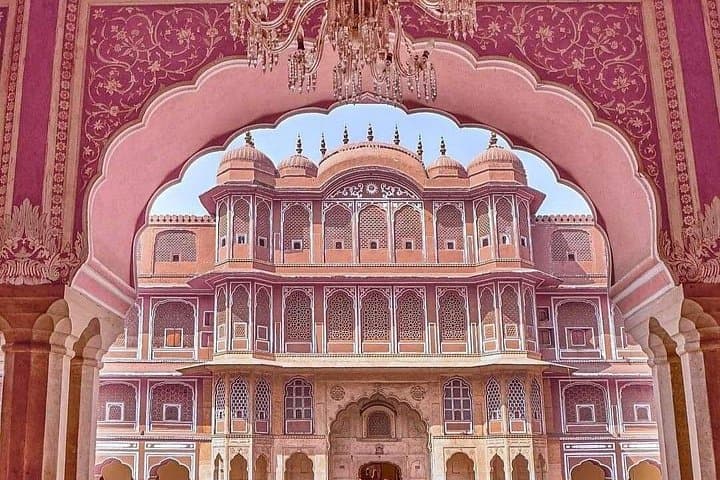
The morning in Jaipur smells of chai and diesel: narrow lanes open onto broad pink façades, rickshaws thread through traffic and the Jal Mahal sits like a mirage on Man Sagar Lake. You begin with palaces and observatories—stone instruments at Jantar Mantar and the latticed façade of Hawa Mahal—then the road takes you into the Aravalli foothills toward Ranthambore where the landscape hardens into scrub and rocky ridges.
The morning in Jaipur smells of chai and diesel: narrow lanes open onto broad pink façades, rickshaws thread through traffic and the Jal Mahal sits like a mirage on Man Sagar Lake. You begin with palaces and observatories—stone instruments at Jantar Mantar and the latticed façade of Hawa Mahal—then the road takes you into the Aravalli foothills toward Ranthambore where the landscape hardens into scrub and rocky ridges.
Ranthambore was a royal hunting ground before becoming one of India’s most important tiger reserves; the park’s granite outcrops and the 10th‑century Ranthambore Fort are landmarks amid sal forest and seasonal lakes. After safari drives in open jeeps you head further south to Udaipur, where Lake Pichola and the layered City Palace show Mewar’s centuries of courtly architecture and water‑management engineering.
Expect a mix of guided city walks, wildlife drives and long highway legs (Jaipur→Ranthambore ~170 km/4 hr; Ranthambore→Udaipur ~370 km/5+ hr). The program typically uses an air‑conditioned car with a local English‑speaking guide and a shared safari in Ranthambore; entrance fees and monument charges are extra. Early‑morning safaris give the best tiger sightings; afternoons are quieter and hotter.
Practical tips: carry cash for park fees and small vendors, bring binoculars and sun protection, and plan for uneven jeep tracks inside the reserve. Timings can shift with local traffic—confirm pickup times ahead. The trip balances culture and wildlife: prepare for heat, dust, a few dusty drives and the chance to watch a tiger cross a waterhole at dawn.