THE ADVENTURE COLLECTIVE® · Independent discovery and booking for outdoor travel

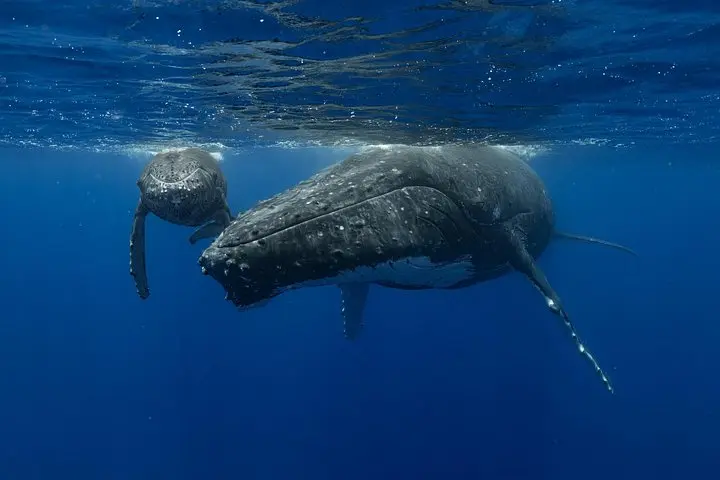
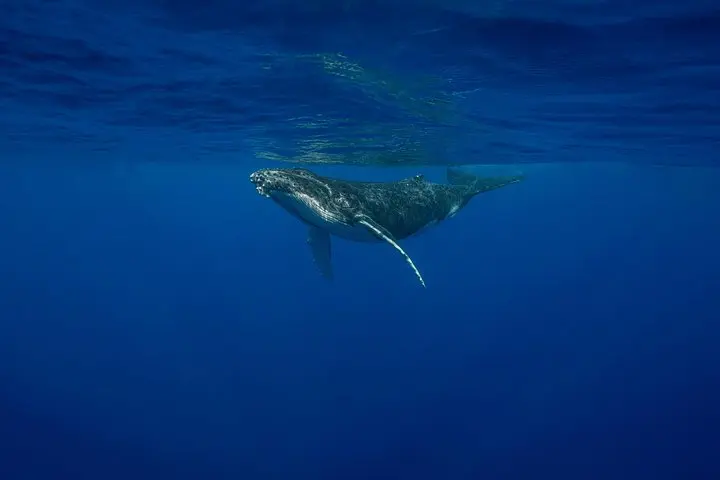
Spend four hours off Tahiti with naturalist guides listening to whale song, watching surface displays and, when conditions allow, snorkeling near humpbacks. This small-group, research‑minded trip prioritizes animal welfare and hands-on interpretation.
Spend four hours off Tahiti with naturalist guides listening to whale song, watching surface displays and, when conditions allow, snorkeling near humpbacks. This small-group, research‑minded trip prioritizes animal welfare and hands-on interpretation.
The boat slips from the harbor and the reef quickly falls away; open ocean stretches, restless and ready, as a hydrophone hums beneath the hull and guides tune their eyes to the horizon.
Verified experiences and guided adventures in the surrounding area.
Operated by Tahiti Ocean Explorer · Papeete, Tahiti
The boat slips from the harbor and the reef quickly falls away; open ocean stretches, restless and ready, as a hydrophone hums beneath the hull and guides tune their eyes to the horizon.
Tahiti’s waters host a seasonal migration of humpback whales that travel here each austral winter to breed and calve. Geologically, the island rims a deep Pacific swell carved by volcanic rise and coral growth; culturally, these seas have sustained Polynesian navigation and modern marine research alike. Local guides work with cetacean scientists and community associations, blending traditional respect for the ocean with modern observation protocols.
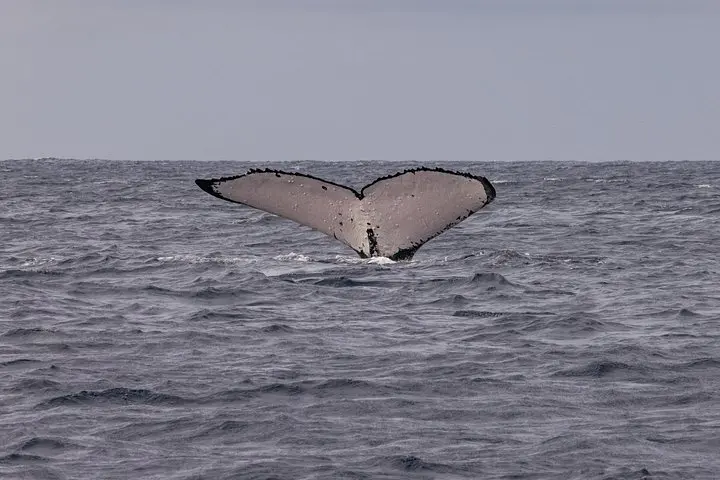
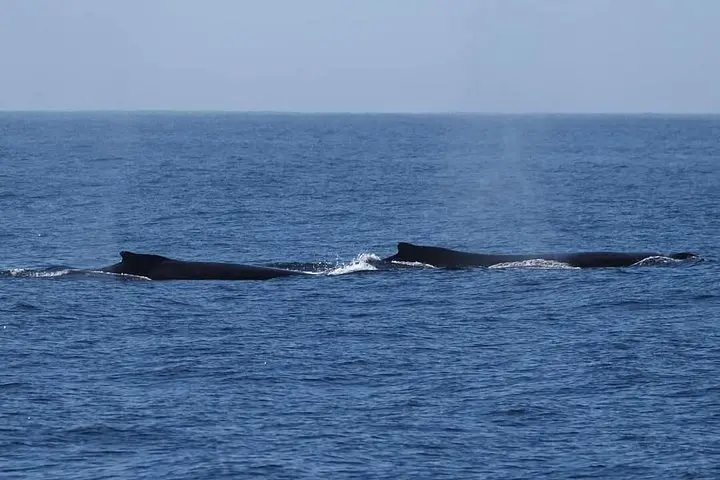
On this four‑hour outing you’ll start with a guided briefing covering approach rules and whale behavior. Most watching is from the boat; when sea state and whale behavior permit — and if you’ve chosen the snorkeling option — trained guides may allow in‑water observation. Expect powerful surface displays, tail slaps that puncture the quiet, and, through the hydrophone, low-frequency songs that seem to push the hull forward.
Practicalities matter: boats are spacious and stocked with water, snacks, and snorkel gear; sea conditions can change fast, and the naturalist decides whether in‑water contact is safe. Bring sun protection, a wind layer, and seasickness remedies if you’re sensitive. Photography works best with a fast shutter and a steady hand; binoculars and a respectful distance will improve both sightings and safety.
This trip balances wonder with responsibility—an observational window into humpback life framed by science, sea, and careful stewardship.
No — sightings depend on whale presence and behavior; guides maximize success using local knowledge, but marine wildlife sightings cannot be guaranteed.
No — snorkeling is permitted only when sea conditions and whale behavior allow; the naturalist guide makes the final safety decision and experience in snorkeling is required for this option.
Children under 10 qualify for the child rate but are limited to boat‑based observation; in‑water participation is restricted for safety and depends on conditions.
Trips may be canceled for rough seas or safety concerns; cancellations at least 24 hours prior receive a full refund per the operator's policy.
Tahiti Ocean Explorer operates guided outdoor trips and adventures with an emphasis on safety, stewardship, and memorable experiences.
The boat slips from the harbor and the reef quickly falls away; open ocean stretches, restless and ready, as a hydrophone hums beneath the hull and guides tune their eyes to the horizon.
The boat slips from the harbor and the reef quickly falls away; open ocean stretches, restless and ready, as a hydrophone hums beneath the hull and guides tune their eyes to the horizon.
Tahiti’s waters host a seasonal migration of humpback whales that travel here each austral winter to breed and calve. Geologically, the island rims a deep Pacific swell carved by volcanic rise and coral growth; culturally, these seas have sustained Polynesian navigation and modern marine research alike. Local guides work with cetacean scientists and community associations, blending traditional respect for the ocean with modern observation protocols.
On this four‑hour outing you’ll start with a guided briefing covering approach rules and whale behavior. Most watching is from the boat; when sea state and whale behavior permit — and if you’ve chosen the snorkeling option — trained guides may allow in‑water observation. Expect powerful surface displays, tail slaps that puncture the quiet, and, through the hydrophone, low-frequency songs that seem to push the hull forward.
Practicalities matter: boats are spacious and stocked with water, snacks, and snorkel gear; sea conditions can change fast, and the naturalist decides whether in‑water contact is safe. Bring sun protection, a wind layer, and seasickness remedies if you’re sensitive. Photography works best with a fast shutter and a steady hand; binoculars and a respectful distance will improve both sightings and safety.
This trip balances wonder with responsibility—an observational window into humpback life framed by science, sea, and careful stewardship.