THE ADVENTURE COLLECTIVE® · Independent discovery and booking for outdoor travel

A compact, four‑hour circuit through Monchique village and up to Fóia—the Algarve’s highest vantage—combining short walks, a distillery tasting, and dramatic granite ridgelines. Expect viewpoints, local flavors, and easy logistics.
A compact, four‑hour circuit through Monchique village and up to Fóia—the Algarve’s highest vantage—combining short walks, a distillery tasting, and dramatic granite ridgelines. Expect viewpoints, local flavors, and easy logistics.
You arrive on a cool, uphill ribbon of road where eucalyptus and cork oak lean toward the light, and the air smells faintly of citrus and resin.
Verified experiences and guided adventures in the surrounding area.
Operated by Backland Tours & Events · Monchique, Algarve
You arrive on a cool, uphill ribbon of road where eucalyptus and cork oak lean toward the light, and the air smells faintly of citrus and resin.
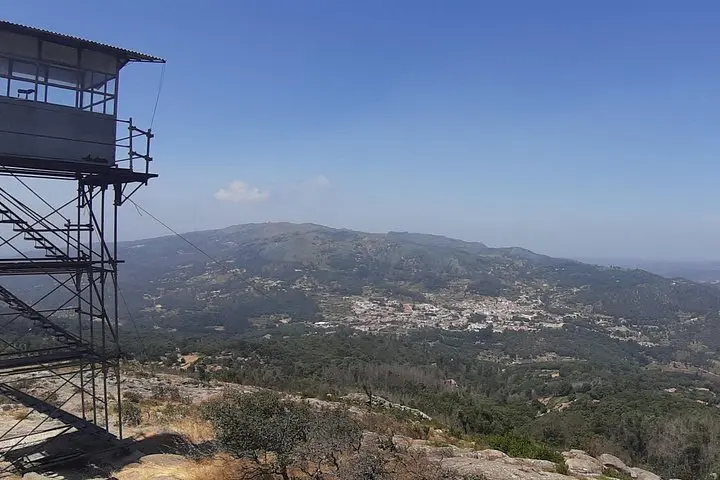
The tour moves deliberately: a short village stop in Monchique’s square, a walk through tile-lined streets, a visit to a local distillery for tasting, then the rise to Fóia—the Algarve’s highest point—where the landscape opens into scrubby ridgelines and granite outcrops that seem to push at the sky.
Geology here is blunt and old: granite intrusions carved by millennia of erosion, producing rounded tors and fast-draining soils. Human history runs close—Roman and Moorish traces, centuries of cork harvesting and small-scale agriculture shaped terraces and lanes you’ll pass.
Culturally, Monchique still runs on seasonal rhythms: market stalls of cured meats, local medronho brandy distilled in family stills, and simple eateries serving grilled fish when you return toward the coast.
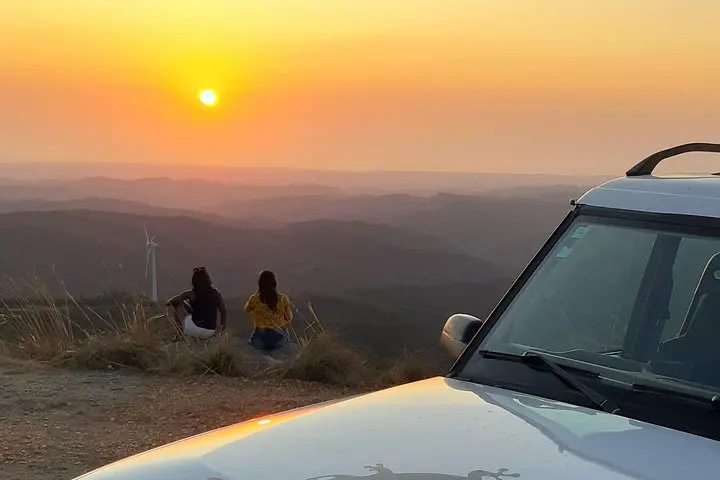
Practical guidance: the four-hour format balances driving with short walks—expect minutes at viewpoints rather than long hikes. Bring layers: afternoon winds at Fóia can be sharp even in summer. Taste regional products slowly—medronho is strong. Photography windows are brief; plan wide-angle and telephoto shots for panoramas and distant sea glimpses.
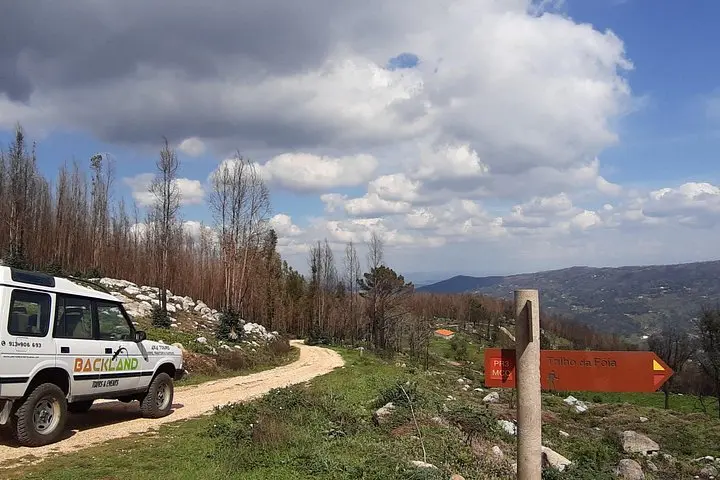
Logistics are simple: vehicles are air-conditioned and pickups are common from nearby towns. The terrain you encounter on foot is compact—gravel tracks, paved village lanes, and short rocky scrambles around viewpoints—so sturdy footwear, a jacket, and water make the visit comfortable and rewarding.
The tour is four hours total; walking consists of short village strolls and brief viewpoint walks—no long hikes.
Yes—regional products such as medronho (local fruit brandy), olive oil and other small tastings at a local distillery are included.
Pickup options are typically offered from nearby coastal towns like Portimão; confirm your pickup point when booking.
The tour is family-friendly, but it’s not recommended for travelers with spinal injuries; infant seats may be available—request when booking.
Backland Tours & Events operates guided outdoor trips and adventures with an emphasis on safety, stewardship, and memorable experiences.
You arrive on a cool, uphill ribbon of road where eucalyptus and cork oak lean toward the light, and the air smells faintly of citrus and resin.
You arrive on a cool, uphill ribbon of road where eucalyptus and cork oak lean toward the light, and the air smells faintly of citrus and resin.
The tour moves deliberately: a short village stop in Monchique’s square, a walk through tile-lined streets, a visit to a local distillery for tasting, then the rise to Fóia—the Algarve’s highest point—where the landscape opens into scrubby ridgelines and granite outcrops that seem to push at the sky.
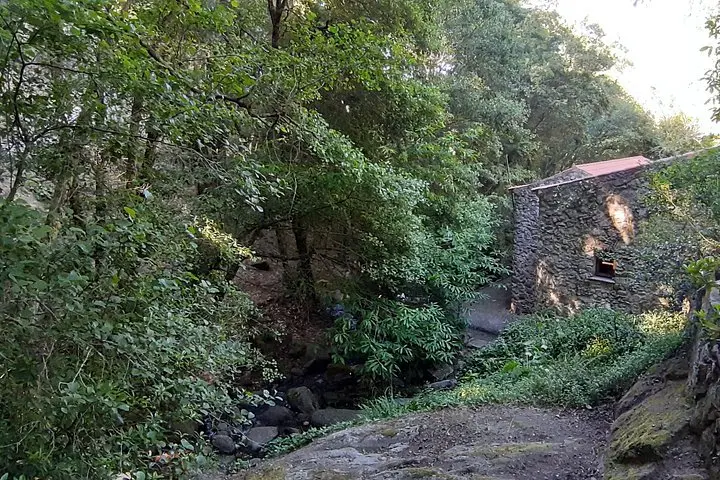
Geology here is blunt and old: granite intrusions carved by millennia of erosion, producing rounded tors and fast-draining soils. Human history runs close—Roman and Moorish traces, centuries of cork harvesting and small-scale agriculture shaped terraces and lanes you’ll pass.
Culturally, Monchique still runs on seasonal rhythms: market stalls of cured meats, local medronho brandy distilled in family stills, and simple eateries serving grilled fish when you return toward the coast.
Practical guidance: the four-hour format balances driving with short walks—expect minutes at viewpoints rather than long hikes. Bring layers: afternoon winds at Fóia can be sharp even in summer. Taste regional products slowly—medronho is strong. Photography windows are brief; plan wide-angle and telephoto shots for panoramas and distant sea glimpses.
Logistics are simple: vehicles are air-conditioned and pickups are common from nearby towns. The terrain you encounter on foot is compact—gravel tracks, paved village lanes, and short rocky scrambles around viewpoints—so sturdy footwear, a jacket, and water make the visit comfortable and rewarding.