THE ADVENTURE COLLECTIVE® · Independent discovery and booking for outdoor travel

Sail four nights along the Nile from Aswan to Luxor, visiting Abu Simbel, Kom Ombo, Edfu and Luxor’s major temple sites. This cruise combines comfortable cabins and guided shore excursions with transfers and meals included.
Sail four nights along the Nile from Aswan to Luxor, visiting Abu Simbel, Kom Ombo, Edfu and Luxor’s major temple sites. This cruise combines comfortable cabins and guided shore excursions with transfers and meals included.
You step aboard as the Nile takes the lead—water darker than the desert, lifting the ship gently as palm-lined banks slide past. The morning light picks out the temple pylons on the horizon and the boat hums toward the first landing: Philae, an island temple moved stone-by-stone to escape Lake Nasser’s rise.
Verified experiences and guided adventures in the surrounding area.
Operated by Book Your Tours · Aswan, Aswan Governorate
You step aboard as the Nile takes the lead—water darker than the desert, lifting the ship gently as palm-lined banks slide past. The morning light picks out the temple pylons on the horizon and the boat hums toward the first landing: Philae, an island temple moved stone-by-stone to escape Lake Nasser’s rise.
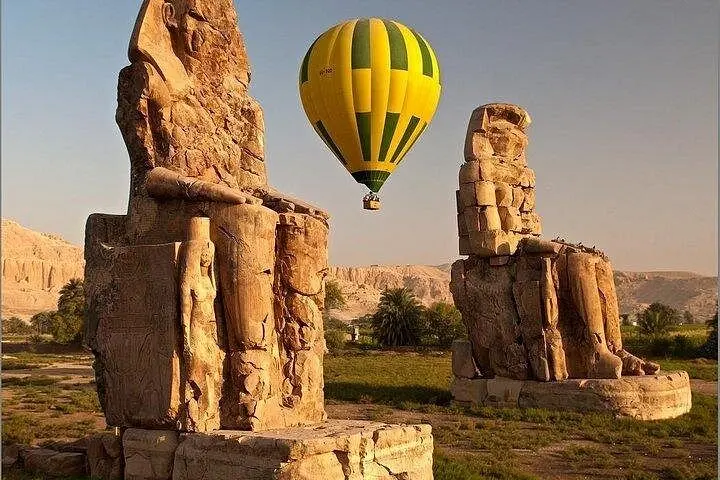
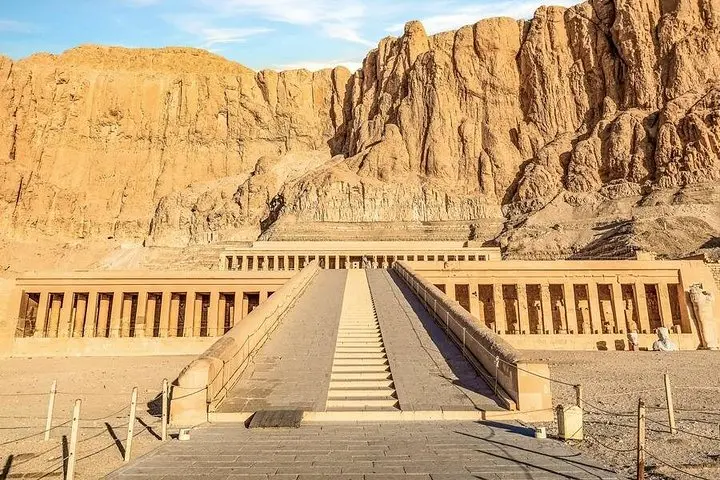
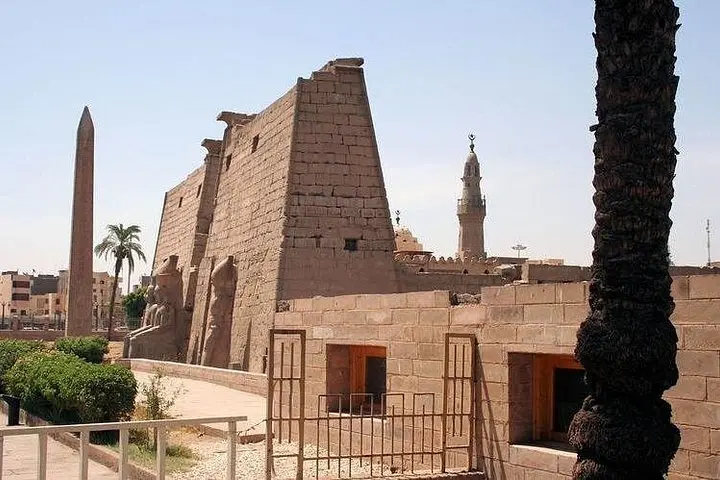
This four-night itinerary threads together Egypt’s Pharaonic highlights: the relocated grandeur of Abu Simbel (about 280–290 km south of Aswan), the twin sanctuaries of Kom Ombo, the remarkably preserved Ptolemaic Temple of Edfu, and Luxor’s Karnak and Valley of the Kings. Geology here is simple and stark—precambrian granite near Aswan gives way to alluvial Nile floodplain around Luxor—yet human history dominates: massive rock-cut tombs, sun-baked sandstone obelisks, and an engineered modern landmark in the Aswan High Dam (111 m tall).
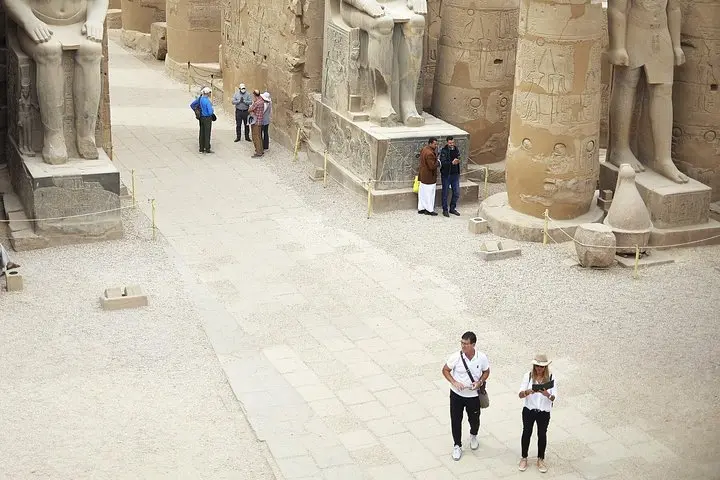
Culturally, expect guides steeped in Egyptology, market vendors offering spices and textiles, and a steady rhythm of boarding and short explorations ashore. Practicalities are equally direct: temple stops typically run 60–180 minutes, walking over uneven stone and steps; midday heat can be intense, so schedule visits early or late when possible. Cabins are air-conditioned and meals included; transfers by minibus and boat are provided. Bring sun protection, modest clothing for religious sites, comfortable shoes for stony courtyards, and a power bank for long days ashore.
The Nile will keep you moving—sometimes reflective and slow, other times impatient—always carrying a history that’s directly underfoot.
Yes—this itinerary includes Abu Simbel; the site sits roughly 280–290 km southwest of Aswan and is typically reached by road or organized transfer with a long guided visit.
The cruise package includes accommodation aboard a 5-star Nile cruise, most breakfasts, lunches and dinners as listed, and shore transfers.
The operator notes wheelchair accessibility for transfers and some areas, but many temple sites have steps and uneven ground; travelers with mobility concerns should contact the provider in advance to confirm specifics.
Modest, lightweight clothing is recommended—covering shoulders and knees—for cultural respect and sun protection; comfortable, closed-toe shoes are advised.
Book Your Tours operates guided outdoor trips and adventures with an emphasis on safety, stewardship, and memorable experiences.
You step aboard as the Nile takes the lead—water darker than the desert, lifting the ship gently as palm-lined banks slide past. The morning light picks out the temple pylons on the horizon and the boat hums toward the first landing: Philae, an island temple moved stone-by-stone to escape Lake Nasser’s rise.
You step aboard as the Nile takes the lead—water darker than the desert, lifting the ship gently as palm-lined banks slide past. The morning light picks out the temple pylons on the horizon and the boat hums toward the first landing: Philae, an island temple moved stone-by-stone to escape Lake Nasser’s rise.
This four-night itinerary threads together Egypt’s Pharaonic highlights: the relocated grandeur of Abu Simbel (about 280–290 km south of Aswan), the twin sanctuaries of Kom Ombo, the remarkably preserved Ptolemaic Temple of Edfu, and Luxor’s Karnak and Valley of the Kings. Geology here is simple and stark—precambrian granite near Aswan gives way to alluvial Nile floodplain around Luxor—yet human history dominates: massive rock-cut tombs, sun-baked sandstone obelisks, and an engineered modern landmark in the Aswan High Dam (111 m tall).
Culturally, expect guides steeped in Egyptology, market vendors offering spices and textiles, and a steady rhythm of boarding and short explorations ashore. Practicalities are equally direct: temple stops typically run 60–180 minutes, walking over uneven stone and steps; midday heat can be intense, so schedule visits early or late when possible. Cabins are air-conditioned and meals included; transfers by minibus and boat are provided. Bring sun protection, modest clothing for religious sites, comfortable shoes for stony courtyards, and a power bank for long days ashore.
The Nile will keep you moving—sometimes reflective and slow, other times impatient—always carrying a history that’s directly underfoot.