THE ADVENTURE COLLECTIVE® · Independent discovery and booking for outdoor travel

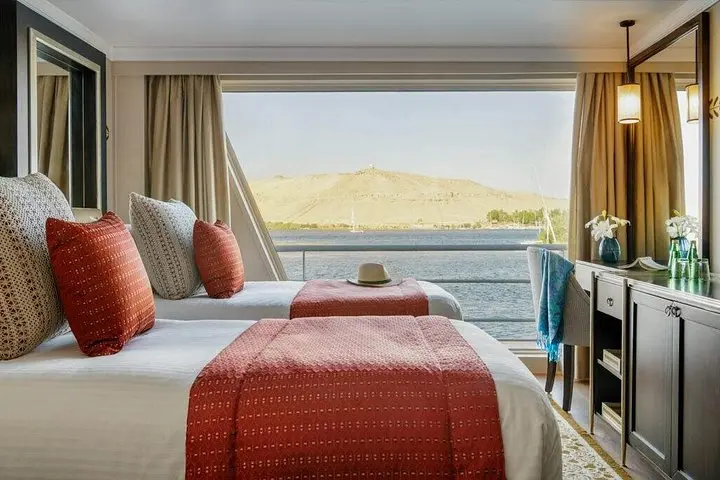
Float between temples and tombs on a 4-night Nile cruise from Luxor to Aswan led by an Egyptologist. See Karnak, the Valley of the Kings, Edfu, Kom Ombo and Philae with guided shore excursions and included cabin and meals.
Float between temples and tombs on a 4-night Nile cruise from Luxor to Aswan led by an Egyptologist. See Karnak, the Valley of the Kings, Edfu, Kom Ombo and Philae with guided shore excursions and included cabin and meals.
You step aboard as the city of Luxor slips into the late-afternoon heat, the Nile’s slow current already nudging the hull southward. Deck crews stow luggage, an Egyptologist waits with a map of gods and pharaohs, and the river takes on the steady rhythm of travel: houses, palm groves, and felucca sails cutting soft silhouettes against the sun.
Verified experiences and guided adventures in the surrounding area.
Operated by Fayrouz Egypt Travel · Luxor, Luxor Governorate
You step aboard as the city of Luxor slips into the late-afternoon heat, the Nile’s slow current already nudging the hull southward. Deck crews stow luggage, an Egyptologist waits with a map of gods and pharaohs, and the river takes on the steady rhythm of travel: houses, palm groves, and felucca sails cutting soft silhouettes against the sun.
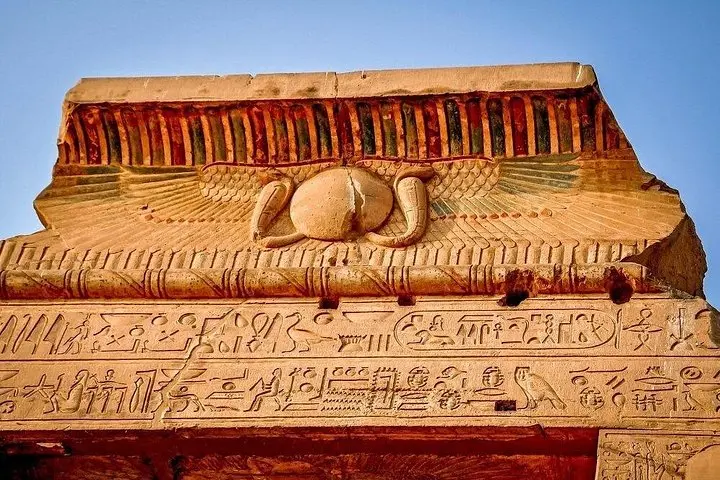
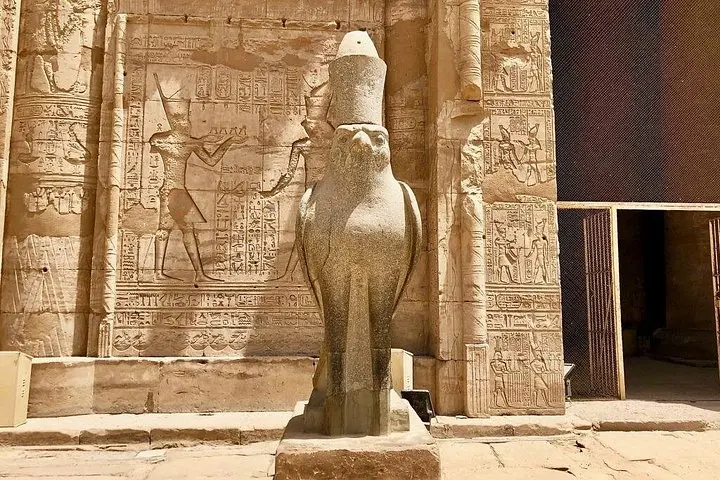
This 4-night cruise follows a corridor of millennia. On Luxor’s east bank the monumental pylons and Hypostyle Hall of Karnak recall New Kingdom ambition; across the river the Valley of the Kings cuts into limestone escarpments where tomb corridors and painted chambers sheltered royal afterlives. Edfu’s huge, well-preserved temple honors Horus; Kom Ombo’s unusual twin sanctuaries and crocodile mummies tell a mixed story of local cults. In Aswan, the island temple of Philae — rescued from Nile flooding and relocated stone by stone — sits with the modern High Dam and the unfinished obelisk nearby.
Geology here is plain: a narrow fertile ribbon carved between desert plateaus, its sandstone and Nile silt shaping temples and quarries. Culturally the cruise balances classical archaeology with Nubian crafts and riverfront market life.
Practical matters: cabins, most meals and transfers are included; entrance fees are typically extra. Expect daily shore excursions with walking on uneven stone and short climbs; bring sun protection, comfortable walking shoes, and local currency for tips and tickets. Timing morning visits to temples when light favors reliefs will improve photos and comfort. The river invites slow travel — let its pace teach you the layout of ancient Egypt.
No — entrance fees to archaeological sites and optional activities like Abu Simbel are typically paid on site or pre-booked separately.
Excursions involve walking on uneven stone and climbing short staircases; they are not technical but require steady footing and basic mobility.
The cruise is family-friendly but note infants may need to sit on laps and some tomb areas are tight and dark; check the operator’s child policies.
Yes — Abu Simbel is an optional early-morning excursion from Aswan and may require an additional transfer or flight depending on your schedule.
Fayrouz Egypt Travel operates guided outdoor trips and adventures with an emphasis on safety, stewardship, and memorable experiences.
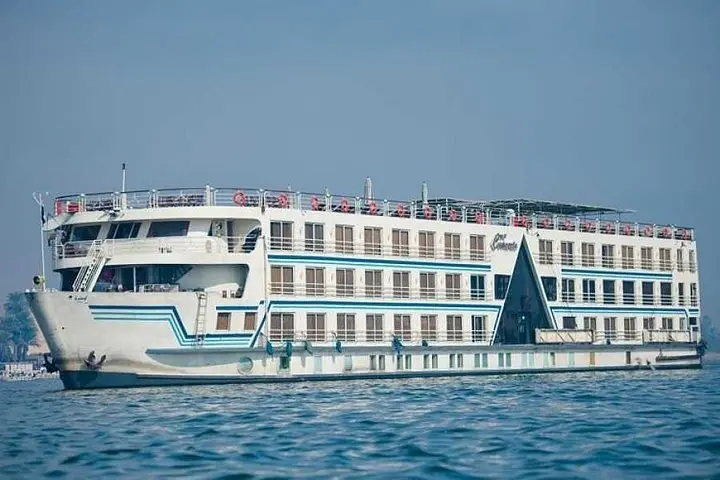
You step aboard as the city of Luxor slips into the late-afternoon heat, the Nile’s slow current already nudging the hull southward. Deck crews stow luggage, an Egyptologist waits with a map of gods and pharaohs, and the river takes on the steady rhythm of travel: houses, palm groves, and felucca sails cutting soft silhouettes against the sun.
You step aboard as the city of Luxor slips into the late-afternoon heat, the Nile’s slow current already nudging the hull southward. Deck crews stow luggage, an Egyptologist waits with a map of gods and pharaohs, and the river takes on the steady rhythm of travel: houses, palm groves, and felucca sails cutting soft silhouettes against the sun.
This 4-night cruise follows a corridor of millennia. On Luxor’s east bank the monumental pylons and Hypostyle Hall of Karnak recall New Kingdom ambition; across the river the Valley of the Kings cuts into limestone escarpments where tomb corridors and painted chambers sheltered royal afterlives. Edfu’s huge, well-preserved temple honors Horus; Kom Ombo’s unusual twin sanctuaries and crocodile mummies tell a mixed story of local cults. In Aswan, the island temple of Philae — rescued from Nile flooding and relocated stone by stone — sits with the modern High Dam and the unfinished obelisk nearby.
Geology here is plain: a narrow fertile ribbon carved between desert plateaus, its sandstone and Nile silt shaping temples and quarries. Culturally the cruise balances classical archaeology with Nubian crafts and riverfront market life.
Practical matters: cabins, most meals and transfers are included; entrance fees are typically extra. Expect daily shore excursions with walking on uneven stone and short climbs; bring sun protection, comfortable walking shoes, and local currency for tips and tickets. Timing morning visits to temples when light favors reliefs will improve photos and comfort. The river invites slow travel — let its pace teach you the layout of ancient Egypt.