THE ADVENTURE COLLECTIVE® · Independent discovery and booking for outdoor travel

A swift 45-minute ferry links Tahiti’s Papeete with Moorea, offering air-conditioned lounges, outdoor decks and regular wildlife sightings. Reliable schedules and vehicle transport make it the practical, scenic way to hop between islands.
A swift 45-minute ferry links Tahiti’s Papeete with Moorea, offering air-conditioned lounges, outdoor decks and regular wildlife sightings. Reliable schedules and vehicle transport make it the practical, scenic way to hop between islands.
You step onto a modern ferry at Papeete as the harbor smells faintly of salt and diesel; the city slips behind you and Moorea’s serrated volcanic silhouette grows sharper on the horizon. The crossing is uncomplicated — about 45 minutes of air-conditioned lounges, outdoor sundecks and pockets of local music — time enough to watch reef-streaked water and, in season, dolphins carve the wake.
Verified experiences and guided adventures in the surrounding area.
Operated by Vaeara'i · Papeete, Tahiti
You step onto a modern ferry at Papeete as the harbor smells faintly of salt and diesel; the city slips behind you and Moorea’s serrated volcanic silhouette grows sharper on the horizon. The crossing is uncomplicated — about 45 minutes of air-conditioned lounges, outdoor sundecks and pockets of local music — time enough to watch reef-streaked water and, in season, dolphins carve the wake.
Geology shapes the scene: Moorea is a high volcanic island whose ridged peaks, worn by erosion, plunge into a shallow lagoon dotted with coral motus. Polynesian navigators settled these islands centuries ago; today the route is a routine link between Tahiti’s urban center and Moorea’s laid-back bays. On Fridays you may catch a live band on board and a convivial bar crowd, a reminder of local hospitality that blends Polynesian warmth with French-Pacific influences.
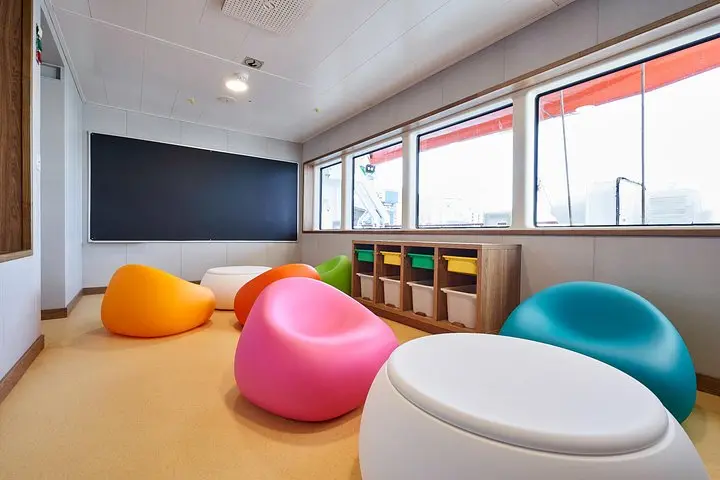
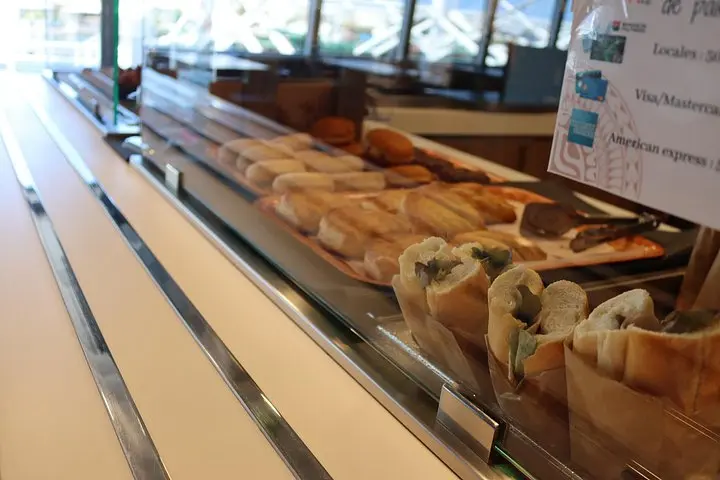
Practicalities are simple: paperless mobile tickets are accepted, luggage and vehicles can be accommodated, and disembarkation is quick — taxis and shuttle options await. Expect basic catering and restrooms on board, a kids’ lounge, and accessible boarding. Know the schedules: multiple daily departures make day trips feasible but plan for peak times and limited Saturday rotations. Seas are usually calm in the lagoon, though short swells can jostle light bags.
For photographers, the best window seats face Moorea; for wildlife, scan the water for dolphins and seasonal humpbacks. Bring sun protection, a light layer for offshore breeze, and arrive 20–30 minutes early to ease boarding. The crossing is straightforward, scenic, and a practical way to move between two very different faces of French Polynesia.
The crossing takes approximately 45 minutes between Papeete and Moorea.
Yes — the ferry has vehicle garage space and accepts standard luggage; confirm reservations for vehicle transport.
Yes — the ferry includes a catered restaurant and bar as well as onboard restrooms and a kids’ lounge.
The service is wheelchair accessible with level access to main areas, but check specific assistance needs with the operator ahead of travel.
Vaeara'i operates guided outdoor trips and adventures with an emphasis on safety, stewardship, and memorable experiences.
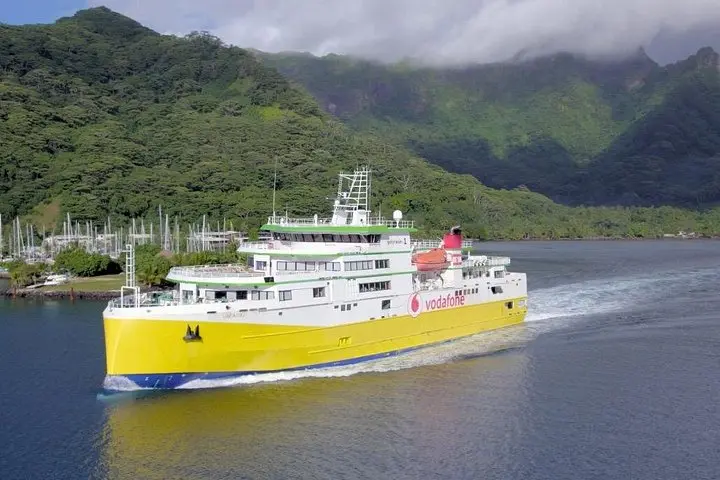
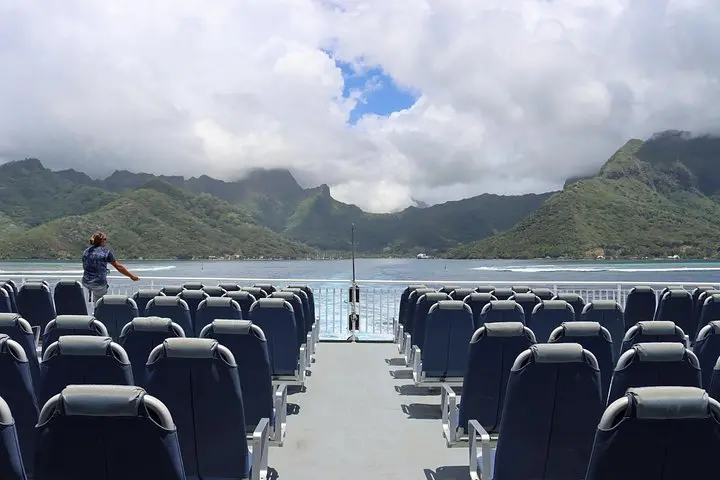
You step onto a modern ferry at Papeete as the harbor smells faintly of salt and diesel; the city slips behind you and Moorea’s serrated volcanic silhouette grows sharper on the horizon. The crossing is uncomplicated — about 45 minutes of air-conditioned lounges, outdoor sundecks and pockets of local music — time enough to watch reef-streaked water and, in season, dolphins carve the wake.
You step onto a modern ferry at Papeete as the harbor smells faintly of salt and diesel; the city slips behind you and Moorea’s serrated volcanic silhouette grows sharper on the horizon. The crossing is uncomplicated — about 45 minutes of air-conditioned lounges, outdoor sundecks and pockets of local music — time enough to watch reef-streaked water and, in season, dolphins carve the wake.
Geology shapes the scene: Moorea is a high volcanic island whose ridged peaks, worn by erosion, plunge into a shallow lagoon dotted with coral motus. Polynesian navigators settled these islands centuries ago; today the route is a routine link between Tahiti’s urban center and Moorea’s laid-back bays. On Fridays you may catch a live band on board and a convivial bar crowd, a reminder of local hospitality that blends Polynesian warmth with French-Pacific influences.
Practicalities are simple: paperless mobile tickets are accepted, luggage and vehicles can be accommodated, and disembarkation is quick — taxis and shuttle options await. Expect basic catering and restrooms on board, a kids’ lounge, and accessible boarding. Know the schedules: multiple daily departures make day trips feasible but plan for peak times and limited Saturday rotations. Seas are usually calm in the lagoon, though short swells can jostle light bags.
For photographers, the best window seats face Moorea; for wildlife, scan the water for dolphins and seasonal humpbacks. Bring sun protection, a light layer for offshore breeze, and arrive 20–30 minutes early to ease boarding. The crossing is straightforward, scenic, and a practical way to move between two very different faces of French Polynesia.