THE ADVENTURE COLLECTIVE® · Independent discovery and booking for outdoor travel

Two days across Azerbaijan compress big contrasts—Baku’s futuristic skyline, Gobustan’s ancient petroglyphs and the surreal mud volcanoes and ever-burning flames of Absheron. This practical guide outlines what to expect, how to prepare and where to aim your camera.
Two days across Azerbaijan compress big contrasts—Baku’s futuristic skyline, Gobustan’s ancient petroglyphs and the surreal mud volcanoes and ever-burning flames of Absheron. This practical guide outlines what to expect, how to prepare and where to aim your camera.
You step out of a glass-and-steel hotel into a city that argues with the past. Baku’s Flame Towers lean into the Caspian light while fishermen mend nets along the Boulevard; the air carries the compact, slightly metallic tang of a place built on oil and gas. On a two-day circuit from the capital, an itinerary moves fast—highland panoramas at dawn, the Old City’s stone alleys by day, then out across a flat, wind-bent landscape to rock carvings and mud that bubbles like a small planet.
Verified experiences and guided adventures in the surrounding area.
Operated by MyBakuTours · Baku, Baku
You step out of a glass-and-steel hotel into a city that argues with the past. Baku’s Flame Towers lean into the Caspian light while fishermen mend nets along the Boulevard; the air carries the compact, slightly metallic tang of a place built on oil and gas. On a two-day circuit from the capital, an itinerary moves fast—highland panoramas at dawn, the Old City’s stone alleys by day, then out across a flat, wind-bent landscape to rock carvings and mud that bubbles like a small planet.
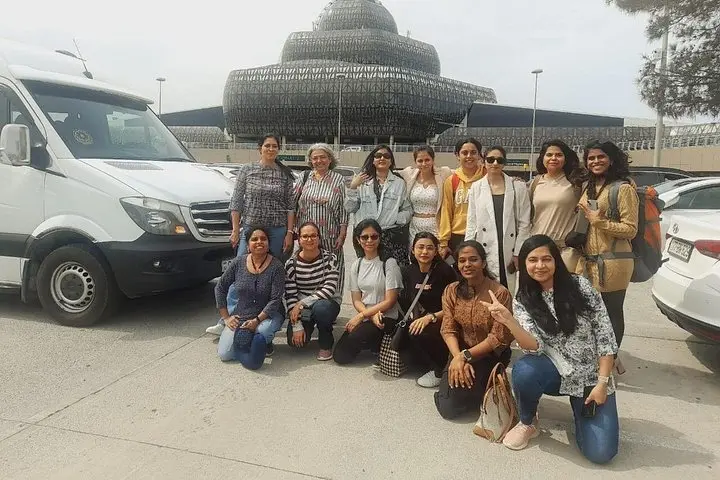
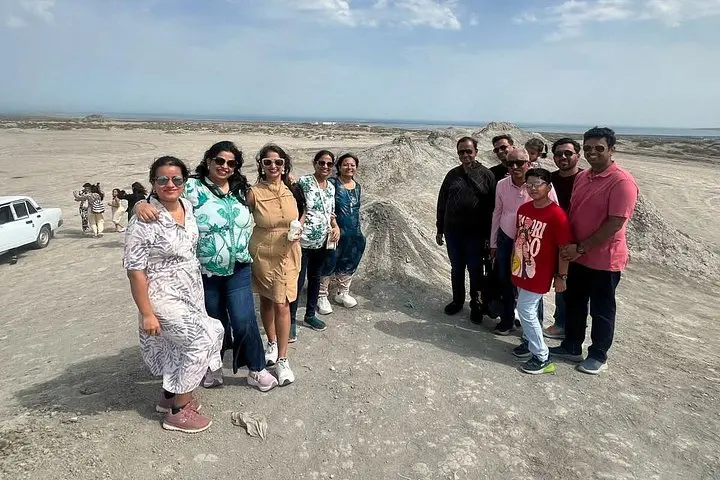
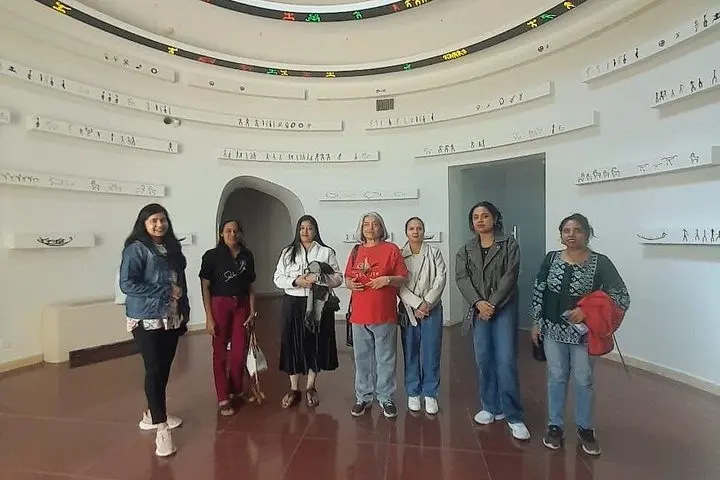
Gobustan’s plateaus feel lunar. The petroglyphs—six thousand-plus motifs carved over tens of thousands of years—hold animals, boats and ritual scenes that make human continuity tangible. Beneath that human history is geology: Azerbaijan sits on shallow sedimentary basins where gas presses up through faults, fueling mud volcanoes that spit slow, viscous fountains and the ever-burning flames of Yanar Dag. On the Absheron Peninsula the Ateshgah Fire Temple keeps watch: a compact, 17th-century pilgrimage complex built where natural gas once seeped through the ground, later adopted by visiting Indian merchants and Zoroastrian fire-worshipers.
Culture here is pragmatic and performative—tea houses serve black tea with thick sugar and saffron sweets, carpet shops display patterns dense with tribal codes, and drivers know how to read both cobbled lanes and desert tracks. Guides on this tour are more than narrators; they are translators of place, explaining why the sea smells different, where older settlements clustered, and how oil shaped modern Baku’s glass facades.
Practicalities matter on a short itinerary: the tour runs two full days (roughly 8 hours on each day), with hotel pickup and an air-conditioned vehicle. Expect light walking in uneven terrain at Gobustan and a short off-road stretch to the active mud volcanoes. Bring sun protection and sturdy shoes; the mud sites are photogenic but slippery, and the Absheron winds can strip warmth fast in late afternoon. Most sites are accessible without strenuous fitness—this package is labeled suitable for all—but note it’s not recommended for pregnant travelers or those with serious back issues.
Timing your visit makes a difference: early morning lifts the city’s heat, late afternoon gilds Gobustan’s sculptures and the flames of Yanar Dag look most dramatic after dusk. Cash helps with small purchases in villages; credit cards cover museum entries in Baku. Above all, remain respectful at Ateshgah—this is a sacred spot for several traditions. With a compact schedule, good shoes and a curiosity for geology and history, two days in Azerbaijan fold into an efficient, surprising primer on a country that keeps one foot in antiquity and the other stepping toward tomorrow.
Each day runs about 8 hours on-site; the full package spans two days (approximately 48 hours including transfers and overnight in Baku).
Museum admissions are typically not included—your booking shows which attractions are covered; guides will advise onsite.
Yes—this itinerary is rated suitable for all fitness levels but not recommended for pregnant travelers or those with serious back problems.
Yes—Yanar Dag’s flame appears most dramatic after dusk; the itinerary often schedules it for late afternoon to evening viewing.
Yes—expect a short off‑road section (15–20 minutes) to reach active mud volcano sites; vehicles are typically capable of handling the track.
Conservative, modest clothing is recommended; comfortable walking shoes are useful for the compact temple complex and surrounding area.
MyBakuTours operates guided outdoor trips and adventures with an emphasis on safety, stewardship, and memorable experiences.

You step out of a glass-and-steel hotel into a city that argues with the past. Baku’s Flame Towers lean into the Caspian light while fishermen mend nets along the Boulevard; the air carries the compact, slightly metallic tang of a place built on oil and gas. On a two-day circuit from the capital, an itinerary moves fast—highland panoramas at dawn, the Old City’s stone alleys by day, then out across a flat, wind-bent landscape to rock carvings and mud that bubbles like a small planet.
You step out of a glass-and-steel hotel into a city that argues with the past. Baku’s Flame Towers lean into the Caspian light while fishermen mend nets along the Boulevard; the air carries the compact, slightly metallic tang of a place built on oil and gas. On a two-day circuit from the capital, an itinerary moves fast—highland panoramas at dawn, the Old City’s stone alleys by day, then out across a flat, wind-bent landscape to rock carvings and mud that bubbles like a small planet.
Gobustan’s plateaus feel lunar. The petroglyphs—six thousand-plus motifs carved over tens of thousands of years—hold animals, boats and ritual scenes that make human continuity tangible. Beneath that human history is geology: Azerbaijan sits on shallow sedimentary basins where gas presses up through faults, fueling mud volcanoes that spit slow, viscous fountains and the ever-burning flames of Yanar Dag. On the Absheron Peninsula the Ateshgah Fire Temple keeps watch: a compact, 17th-century pilgrimage complex built where natural gas once seeped through the ground, later adopted by visiting Indian merchants and Zoroastrian fire-worshipers.
Culture here is pragmatic and performative—tea houses serve black tea with thick sugar and saffron sweets, carpet shops display patterns dense with tribal codes, and drivers know how to read both cobbled lanes and desert tracks. Guides on this tour are more than narrators; they are translators of place, explaining why the sea smells different, where older settlements clustered, and how oil shaped modern Baku’s glass facades.
Practicalities matter on a short itinerary: the tour runs two full days (roughly 8 hours on each day), with hotel pickup and an air-conditioned vehicle. Expect light walking in uneven terrain at Gobustan and a short off-road stretch to the active mud volcanoes. Bring sun protection and sturdy shoes; the mud sites are photogenic but slippery, and the Absheron winds can strip warmth fast in late afternoon. Most sites are accessible without strenuous fitness—this package is labeled suitable for all—but note it’s not recommended for pregnant travelers or those with serious back issues.
Timing your visit makes a difference: early morning lifts the city’s heat, late afternoon gilds Gobustan’s sculptures and the flames of Yanar Dag look most dramatic after dusk. Cash helps with small purchases in villages; credit cards cover museum entries in Baku. Above all, remain respectful at Ateshgah—this is a sacred spot for several traditions. With a compact schedule, good shoes and a curiosity for geology and history, two days in Azerbaijan fold into an efficient, surprising primer on a country that keeps one foot in antiquity and the other stepping toward tomorrow.