THE ADVENTURE COLLECTIVE® · Independent discovery and booking for outdoor travel

Two days from Ouarzazate to the Erg Chebbi dunes and back: a sunset camel ride, an overnight Berber camp beneath clear desert skies, and sunrise over golden ridges. Expect long drives, intimate cultural exchanges, and stark desert geology.
Two days from Ouarzazate to the Erg Chebbi dunes and back: a sunset camel ride, an overnight Berber camp beneath clear desert skies, and sunrise over golden ridges. Expect long drives, intimate cultural exchanges, and stark desert geology.
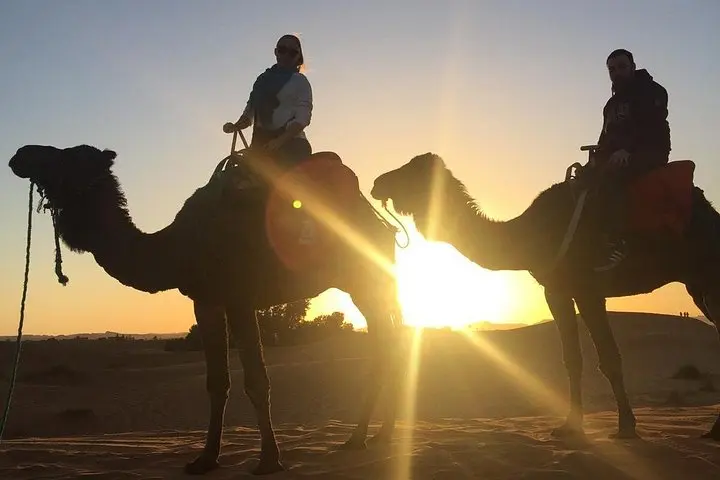
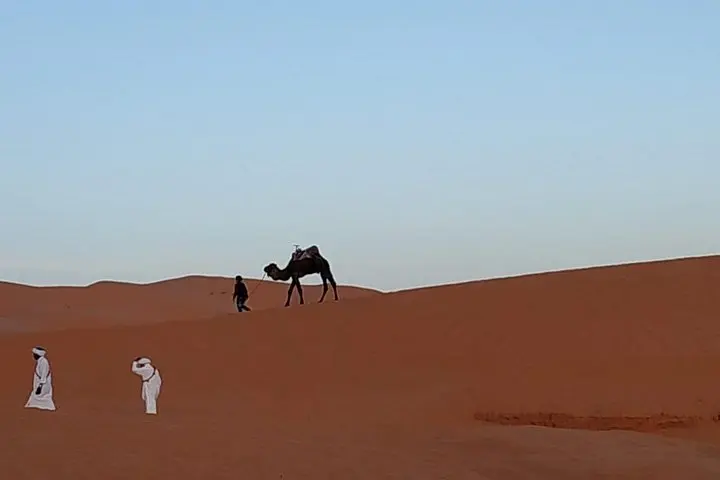
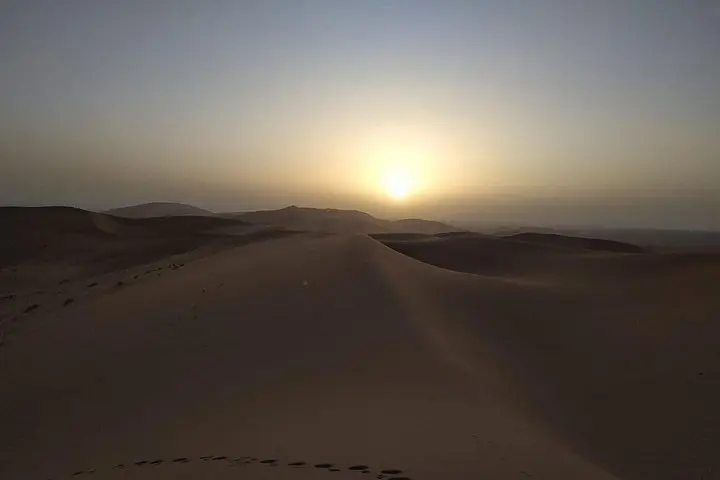
The sun is a slow sculptor here: before it climbs, the dunes of Erg Chebbi shift from cool mauve to hot gold, and a line of camels cuts a steady silhouette across the ridges.
Verified experiences and guided adventures in the surrounding area.
Operated by Morocco Tours · Merzouga, Drâa-Tafilalet
The sun is a slow sculptor here: before it climbs, the dunes of Erg Chebbi shift from cool mauve to hot gold, and a line of camels cuts a steady silhouette across the ridges.
This two-day loop from Ouarzazate carries you through Rose Valley and the Dades Gorge before dropping you into the wide silence of the Sahara at Merzouga. The route traces old caravan arteries—Sijilmassa (modern Rissani) once channeled trans-Saharan trade in salt and gold—then climbs alongside the High Atlas and follows the Draa River’s palm-lined corridor where oases punctuate the arid plain.
Geology here is blunt and honest: wind-worn sand seas, folded red sedimentary walls in the Dades, and volcanic scars near Ouarzazate. Culture is immediate—Berber hosts pour mint tea with a practiced hand, play lute and drum under the stars, and keep camp rhythms that predate modern timetables.
Practical edge: expect long, dusty drives between sights and short guided camel treks into the dunes timed for sunset and sunrise. Camp staff provide tents and a shared dinner; mornings are cool and require layers. Hydrate deliberately—water is limited beyond towns—and carry sun protection for daytime crossings.
Plan for narrow, sandy tracks and uneven dune slopes if you dismount for photos. Bring cash for small purchases and tips; phone signal is intermittent once you leave the main roads. Arrive with a flexible tempo: the desert rewards slow, attentive travel and a willingness to trade speed for the particular quiet only an endless dune field can offer.
Typical camel transfer to camp is 30–60 minutes each way; you stop for sunset en route and can dismount for photos.
Camps are basic-to-luxury depending on operator; expect mattress tents, shared facilities in standard camps, and full dinner service in most setups.
Yes with caution—camel rides and dune walking are low-impact but require mobility; inform the operator about ages and needs for safe arrangements.
Signal is intermittent around Merzouga and absent in deep dune areas; most camps have no reliable Wi‑Fi—plan to be offline.
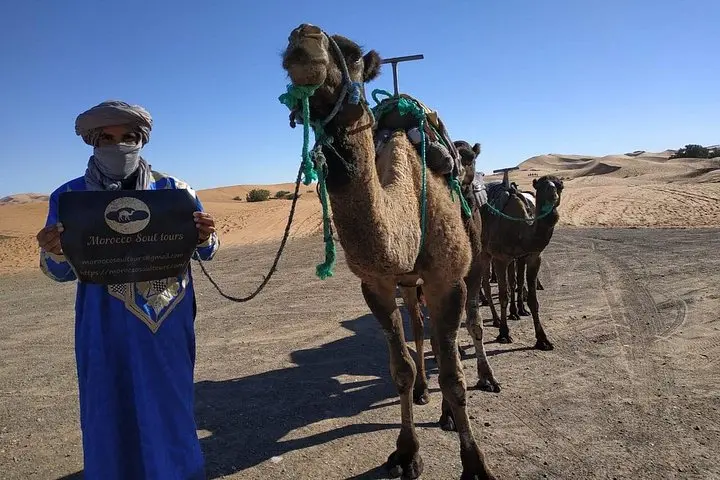
Morocco Tours operates guided outdoor trips and adventures with an emphasis on safety, stewardship, and memorable experiences.
The sun is a slow sculptor here: before it climbs, the dunes of Erg Chebbi shift from cool mauve to hot gold, and a line of camels cuts a steady silhouette across the ridges.
The sun is a slow sculptor here: before it climbs, the dunes of Erg Chebbi shift from cool mauve to hot gold, and a line of camels cuts a steady silhouette across the ridges.
This two-day loop from Ouarzazate carries you through Rose Valley and the Dades Gorge before dropping you into the wide silence of the Sahara at Merzouga. The route traces old caravan arteries—Sijilmassa (modern Rissani) once channeled trans-Saharan trade in salt and gold—then climbs alongside the High Atlas and follows the Draa River’s palm-lined corridor where oases punctuate the arid plain.
Geology here is blunt and honest: wind-worn sand seas, folded red sedimentary walls in the Dades, and volcanic scars near Ouarzazate. Culture is immediate—Berber hosts pour mint tea with a practiced hand, play lute and drum under the stars, and keep camp rhythms that predate modern timetables.
Practical edge: expect long, dusty drives between sights and short guided camel treks into the dunes timed for sunset and sunrise. Camp staff provide tents and a shared dinner; mornings are cool and require layers. Hydrate deliberately—water is limited beyond towns—and carry sun protection for daytime crossings.
Plan for narrow, sandy tracks and uneven dune slopes if you dismount for photos. Bring cash for small purchases and tips; phone signal is intermittent once you leave the main roads. Arrive with a flexible tempo: the desert rewards slow, attentive travel and a willingness to trade speed for the particular quiet only an endless dune field can offer.