THE ADVENTURE COLLECTIVE® · Independent discovery and booking for outdoor travel

Two days folding Silk Road history into high-altitude ski runs: visit Burana Tower and petroglyphs, stay in Karakol, then ski the 3,000+m slopes above Lake Issyk-Kul. This compact private tour packs culture, geology, and alpine terrain into 48 hours.
Two days folding Silk Road history into high-altitude ski runs: visit Burana Tower and petroglyphs, stay in Karakol, then ski the 3,000+m slopes above Lake Issyk-Kul. This compact private tour packs culture, geology, and alpine terrain into 48 hours.
The day begins before dawn on the highway out of Bishkek, lights of the city shrinking as the Tien Shan close in and the pale rim of Lake Issyk-Kul appears like a cold, glassy eye. You stop at Burana Tower, forehead to wind, where ruined bricks tell stories of the Silk Road and horse caravans that once threaded this corridor.
Verified experiences and guided adventures in the surrounding area.
Operated by Explore Kyrgyzstan · Karakol, Issyk-Kul Region
The day begins before dawn on the highway out of Bishkek, lights of the city shrinking as the Tien Shan close in and the pale rim of Lake Issyk-Kul appears like a cold, glassy eye. You stop at Burana Tower, forehead to wind, where ruined bricks tell stories of the Silk Road and horse caravans that once threaded this corridor.
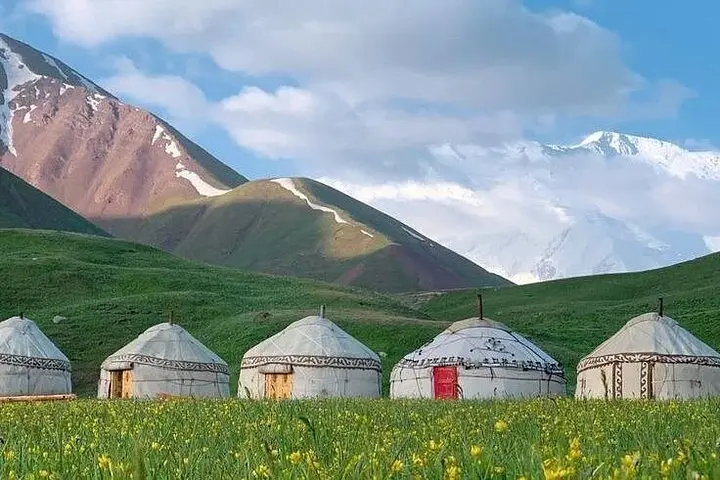
Geology here is blunt and obvious: folded, uplifted limestone and granite pushed by the same tectonic shove that formed the Tien Shan. Lake Issyk-Kul—called the 'Blue Pearl' locally—sits in a high, cold bowl, its shores bearing petroglyphs and burial mounds that link modern Kyrgyz life to ancient nomads. Karakol carries Dungan and Russian architectural markers; the wooden mosque and Orthodox church speak to cross-cultural mountain trade and migration.
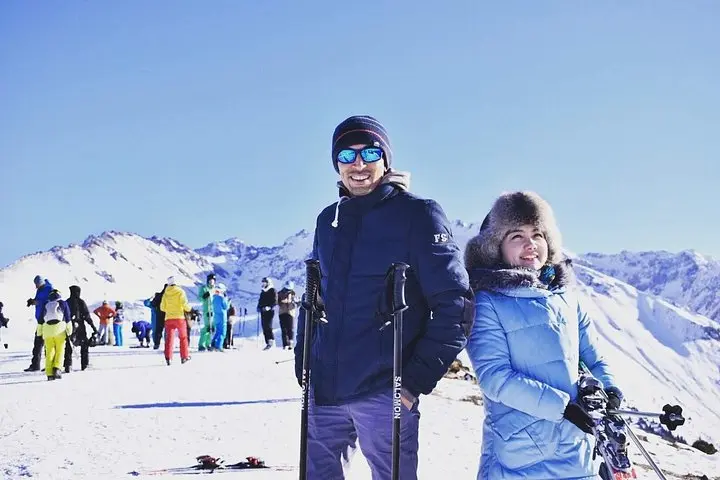
On day two the landscape sharpens: a private 4x4 climbs to the Karakol Ski Base and lifts deliver you above 3,000 m, where the wind seems to try and drag your breath along with it. Runs vary from groomed beginner slopes to long, exposed descents—expect thin air, fast light, and wide views over the lake.
Practical guidance: plan for altitude (hydrate, avoid heavy exertion first morning), rent properly fitted skis or boards in town, and carry layered insulation plus goggles for quick weather shifts. Allow time for a guided eagle-hunting demo if offered—it's cultural context as much as spectacle. With private transport and an overnight in Karakol, this compact itinerary maximizes slope time while giving a clear taste of Kyrgyz mountain culture.
No—beginners can use groomed runs and rental gear is available, but take a lesson if you're new; higher runs are steeper and require basic control.
Temperatures typically range from -10°C to 0°C in peak winter, colder with wind chill—dress in layers and prepare for sudden drops.
Most departures and returns are organized from Bishkek with early pickup; the itinerary includes an overnight in Karakol before returning to Bishkek.
The operator notes it's not recommended for people with spinal or serious cardiovascular issues due to road transfer and altitude; consult your physician before booking.
Explore Kyrgyzstan operates guided outdoor trips and adventures with an emphasis on safety, stewardship, and memorable experiences.
The day begins before dawn on the highway out of Bishkek, lights of the city shrinking as the Tien Shan close in and the pale rim of Lake Issyk-Kul appears like a cold, glassy eye. You stop at Burana Tower, forehead to wind, where ruined bricks tell stories of the Silk Road and horse caravans that once threaded this corridor.
The day begins before dawn on the highway out of Bishkek, lights of the city shrinking as the Tien Shan close in and the pale rim of Lake Issyk-Kul appears like a cold, glassy eye. You stop at Burana Tower, forehead to wind, where ruined bricks tell stories of the Silk Road and horse caravans that once threaded this corridor.
Geology here is blunt and obvious: folded, uplifted limestone and granite pushed by the same tectonic shove that formed the Tien Shan. Lake Issyk-Kul—called the 'Blue Pearl' locally—sits in a high, cold bowl, its shores bearing petroglyphs and burial mounds that link modern Kyrgyz life to ancient nomads. Karakol carries Dungan and Russian architectural markers; the wooden mosque and Orthodox church speak to cross-cultural mountain trade and migration.
On day two the landscape sharpens: a private 4x4 climbs to the Karakol Ski Base and lifts deliver you above 3,000 m, where the wind seems to try and drag your breath along with it. Runs vary from groomed beginner slopes to long, exposed descents—expect thin air, fast light, and wide views over the lake.
Practical guidance: plan for altitude (hydrate, avoid heavy exertion first morning), rent properly fitted skis or boards in town, and carry layered insulation plus goggles for quick weather shifts. Allow time for a guided eagle-hunting demo if offered—it's cultural context as much as spectacle. With private transport and an overnight in Karakol, this compact itinerary maximizes slope time while giving a clear taste of Kyrgyz mountain culture.