THE ADVENTURE COLLECTIVE® · Independent discovery and booking for outdoor travel

Two days of Kathmandu’s UNESCO highlights and an early-morning Nagarkot sunrise deliver concentrated culture and Himalayan vistas. This practical guide outlines what to expect—from temple stairs and carved courtyards to drive times, etiquette, and seasonal visibility.
Two days of Kathmandu’s UNESCO highlights and an early-morning Nagarkot sunrise deliver concentrated culture and Himalayan vistas. This practical guide outlines what to expect—from temple stairs and carved courtyards to drive times, etiquette, and seasonal visibility.
Before dawn in Nagarkot the Himalayas push their first light across the valley—razor-edged silhouettes of Everest and neighboring peaks soften into gold as the city below yawns awake.
Verified experiences and guided adventures in the surrounding area.
Operated by Attractive Travels and Tours Pvt. Ltd. · Kathmandu, Bagmati Province
Before dawn in Nagarkot the Himalayas push their first light across the valley—razor-edged silhouettes of Everest and neighboring peaks soften into gold as the city below yawns awake.
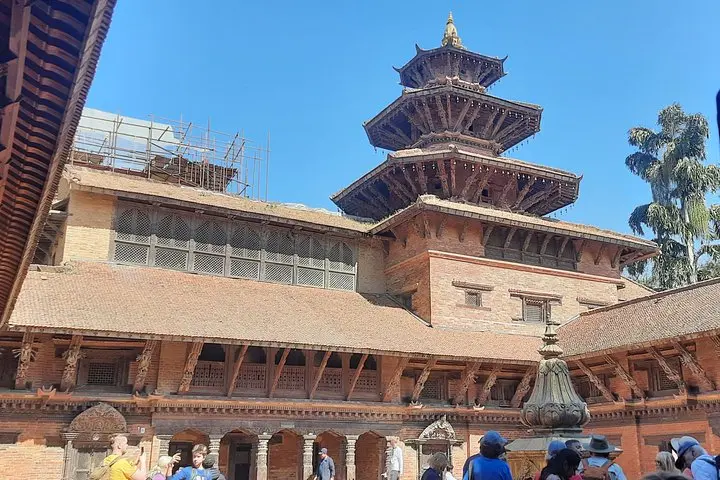
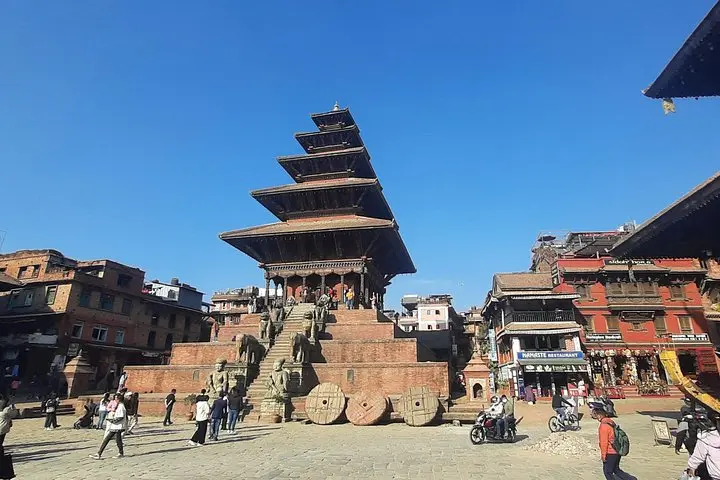
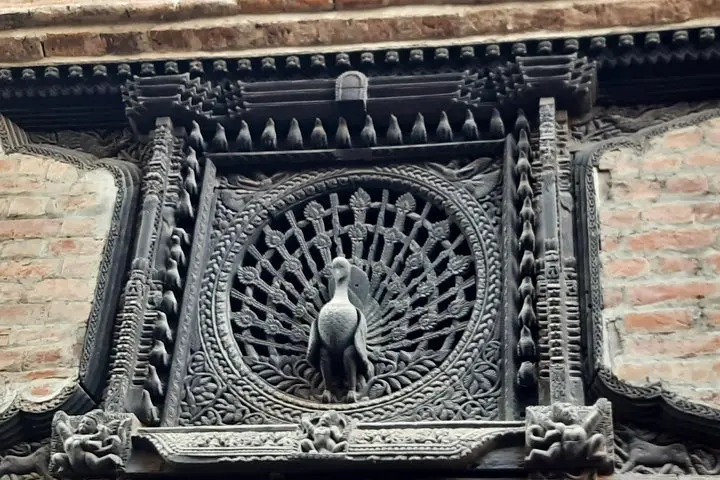
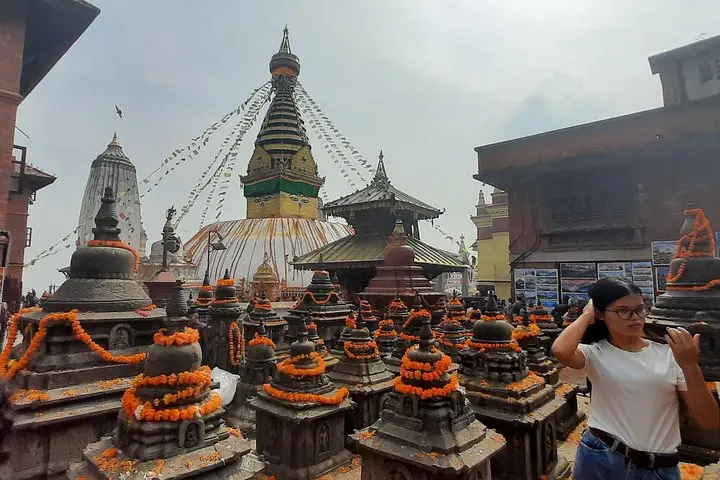
This compact two-day circuit threads together Kathmandu Valley’s layered history: Pashupatinath’s riverside cremation ghats and Shaiva rites; Boudhanath’s Tibetan-flavored stupas and fluttering prayer flags; the monkey-strewn terraces of Swayambhunath; and the carved courtyards of Patan and Bhaktapur Durbar Squares—Malla-era centers where Newar craftsmen honed wood and stone detail for centuries. Geologically, the valley sits at roughly 1,300–2,200 m elevation on a basin carved by ancient fluvial systems, with Nagarkot rising to vantage points that reveal the Greater Himalaya on clear mornings.
Expect lots of short walks, steep temple stairs, crowded alleys and tight courtyards; photography opportunities are constant, but so are small shrine rituals—dress modestly and move respectfully. Logistically, hotels in Kathmandu serve as the hub; Nagarkot is roughly 35 km and 1.25–1.5 hours by car. The tour includes a guide, hotel pickup/drop-off and bottled water; some attraction fees are paid on-site. Morning light is best for mountain visibility—plan the Nagarkot leg for an early start (around 4:00 a.m.).
Practical tips: bring layered clothing for chilly dawns, sturdy shoes for uneven stonework, cash for entry fees and offerings, and patience for crowds and monkeys. With clear weather this itinerary balances cultural immersion and a sublime Himalayan sunrise—compact, active, and rich in living history.
Most temple and square admissions are not included; bring small cash for entry fees and donations.
Visibility depends on weather—clear views are common in autumn and spring but monsoon and polluted or hazy winter mornings can obscure the Himalaya.
Yes—physically easy but includes early starts and temple stairs; notify the operator about mobility needs for vehicle arrangements.
On very clear days you may glimpse Everest among the eastern Himalayan peaks; the full panorama is most reliable in fall and spring.
Attractive Travels and Tours Pvt. Ltd. operates guided outdoor trips and adventures with an emphasis on safety, stewardship, and memorable experiences.
Before dawn in Nagarkot the Himalayas push their first light across the valley—razor-edged silhouettes of Everest and neighboring peaks soften into gold as the city below yawns awake.
Before dawn in Nagarkot the Himalayas push their first light across the valley—razor-edged silhouettes of Everest and neighboring peaks soften into gold as the city below yawns awake.
This compact two-day circuit threads together Kathmandu Valley’s layered history: Pashupatinath’s riverside cremation ghats and Shaiva rites; Boudhanath’s Tibetan-flavored stupas and fluttering prayer flags; the monkey-strewn terraces of Swayambhunath; and the carved courtyards of Patan and Bhaktapur Durbar Squares—Malla-era centers where Newar craftsmen honed wood and stone detail for centuries. Geologically, the valley sits at roughly 1,300–2,200 m elevation on a basin carved by ancient fluvial systems, with Nagarkot rising to vantage points that reveal the Greater Himalaya on clear mornings.
Expect lots of short walks, steep temple stairs, crowded alleys and tight courtyards; photography opportunities are constant, but so are small shrine rituals—dress modestly and move respectfully. Logistically, hotels in Kathmandu serve as the hub; Nagarkot is roughly 35 km and 1.25–1.5 hours by car. The tour includes a guide, hotel pickup/drop-off and bottled water; some attraction fees are paid on-site. Morning light is best for mountain visibility—plan the Nagarkot leg for an early start (around 4:00 a.m.).
Practical tips: bring layered clothing for chilly dawns, sturdy shoes for uneven stonework, cash for entry fees and offerings, and patience for crowds and monkeys. With clear weather this itinerary balances cultural immersion and a sublime Himalayan sunrise—compact, active, and rich in living history.