THE ADVENTURE COLLECTIVE® · Independent discovery and booking for outdoor travel

See Marrakech’s medina, palaces, and Majorelle Garden, then drive into the Atlas to visit Berber villages and the Ourika Valley waterfalls. This private two‑day package blends cultural highlights with a short mountain trek and authentic local encounters.
See Marrakech’s medina, palaces, and Majorelle Garden, then drive into the Atlas to visit Berber villages and the Ourika Valley waterfalls. This private two‑day package blends cultural highlights with a short mountain trek and authentic local encounters.
The first light over Jemaa el‑Fnaa shifts the medina from sleeping to electric: vendors lift shutters, spice stalls send cinnamon and cumin into the air, and the Koutoubia’s minaret watches the city come alive. On day one, a private guide leads through narrow alleys, past Bab Agnaou and the Mellah, and into the quiet courtyards of Bahia Palace and Majorelle Garden — each site a different voice in Marrakech’s long story.
Verified experiences and guided adventures in the surrounding area.
Operated by Morocco Tours VIP · Marrakech, Marrakech-Safi
The first light over Jemaa el‑Fnaa shifts the medina from sleeping to electric: vendors lift shutters, spice stalls send cinnamon and cumin into the air, and the Koutoubia’s minaret watches the city come alive. On day one, a private guide leads through narrow alleys, past Bab Agnaou and the Mellah, and into the quiet courtyards of Bahia Palace and Majorelle Garden — each site a different voice in Marrakech’s long story.
Marrakech began as an 11th‑century capital and later absorbed Andalusian and French influences; the result is a city where red‑plastered ramparts meet Art Deco boulevards. The next morning the road climbs to the Atlas: terraces, cedar groves, and the Ourika River that presses forward through the valley. Berber villages open like pages — homes, tea ceremonies, and mountain trails leading to Setti Fatma’s waterfalls. Geology here is stark: folded sedimentary layers and volcanic outcrops create steep valleys and fast‑running streams that sculpt the landscape season by season.
Practical guidance: hotels in central Marrakech make the pick‑up easy; expect long walking periods on uneven pavements and cobbled souks. Carry cash for small purchases, wear supportive shoes for the optional waterfall hike, and schedule the Atlas day for morning departure to avoid heat. Hydrate often — the mountains will cool you, but the sun in the city will bite. Respect local customs when visiting private homes and dress conservatively in public areas.
This two‑day pairing delivers city culture and highland scenery in concentrated, manageable bites — ideal for travelers who want both history and a touch of Alpine‑style terrain without committing to multi‑day trekking.
Some sights like Majorelle Garden and certain museums typically charge admission; confirm with your operator which entrances are included or paid on‑site.
Short sections are family‑friendly, but stairs and rocky paths can be challenging for young children—consider local guide advice and child fitness before committing.
This private tour includes hotel pickup in Marrakech; you’ll be asked to provide your accommodation details and preferred pickup time during booking.
Full refund is available if canceled at least 24 hours before the scheduled departure; check the operator’s booking confirmation for exact terms.
Morocco Tours VIP operates guided outdoor trips and adventures with an emphasis on safety, stewardship, and memorable experiences.
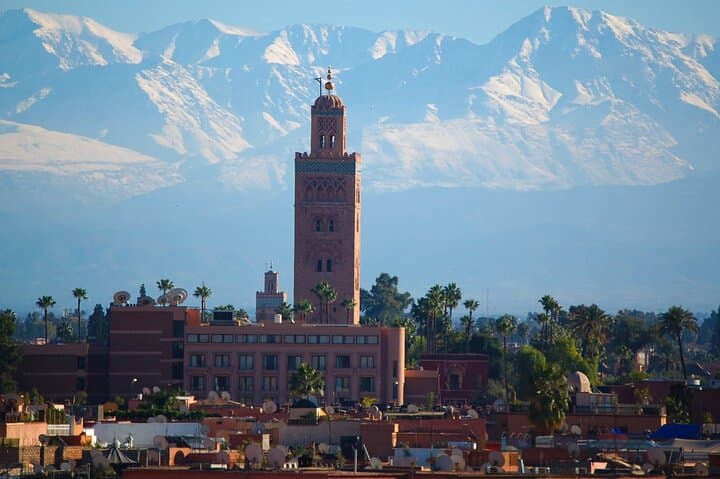


The first light over Jemaa el‑Fnaa shifts the medina from sleeping to electric: vendors lift shutters, spice stalls send cinnamon and cumin into the air, and the Koutoubia’s minaret watches the city come alive. On day one, a private guide leads through narrow alleys, past Bab Agnaou and the Mellah, and into the quiet courtyards of Bahia Palace and Majorelle Garden — each site a different voice in Marrakech’s long story.
The first light over Jemaa el‑Fnaa shifts the medina from sleeping to electric: vendors lift shutters, spice stalls send cinnamon and cumin into the air, and the Koutoubia’s minaret watches the city come alive. On day one, a private guide leads through narrow alleys, past Bab Agnaou and the Mellah, and into the quiet courtyards of Bahia Palace and Majorelle Garden — each site a different voice in Marrakech’s long story.
Marrakech began as an 11th‑century capital and later absorbed Andalusian and French influences; the result is a city where red‑plastered ramparts meet Art Deco boulevards. The next morning the road climbs to the Atlas: terraces, cedar groves, and the Ourika River that presses forward through the valley. Berber villages open like pages — homes, tea ceremonies, and mountain trails leading to Setti Fatma’s waterfalls. Geology here is stark: folded sedimentary layers and volcanic outcrops create steep valleys and fast‑running streams that sculpt the landscape season by season.
Practical guidance: hotels in central Marrakech make the pick‑up easy; expect long walking periods on uneven pavements and cobbled souks. Carry cash for small purchases, wear supportive shoes for the optional waterfall hike, and schedule the Atlas day for morning departure to avoid heat. Hydrate often — the mountains will cool you, but the sun in the city will bite. Respect local customs when visiting private homes and dress conservatively in public areas.
This two‑day pairing delivers city culture and highland scenery in concentrated, manageable bites — ideal for travelers who want both history and a touch of Alpine‑style terrain without committing to multi‑day trekking.