THE ADVENTURE COLLECTIVE® · Independent discovery and booking for outdoor travel

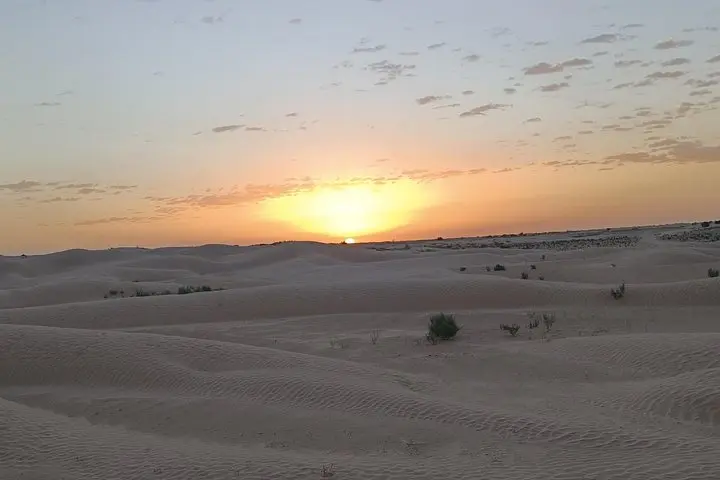
Two days to move from Roman amphitheatres to the silent dunes: this private Tunisia tour packs El Djem, Matmata, Douz, and Tozeur into a 48‑hour loop. Expect long drives, short hikes, and dramatic desert light ideal for photography.
Two days to move from Roman amphitheatres to the silent dunes: this private Tunisia tour packs El Djem, Matmata, Douz, and Tozeur into a 48‑hour loop. Expect long drives, short hikes, and dramatic desert light ideal for photography.
You arrive before dawn on a road that unfurls into ochre plains, and the horizon is already thinking in dunes. The first morning finds you circling a Roman colosseum in El Djem, its crumbling annulus casting long, cool shadows while guides explain how amphitheatres shaped social life in Africa Proconsularis.
Verified experiences and guided adventures in the surrounding area.
Operated by Kings Service Tours · Sousse, Sousse Governorate
You arrive before dawn on a road that unfurls into ochre plains, and the horizon is already thinking in dunes. The first morning finds you circling a Roman colosseum in El Djem, its crumbling annulus casting long, cool shadows while guides explain how amphitheatres shaped social life in Africa Proconsularis.
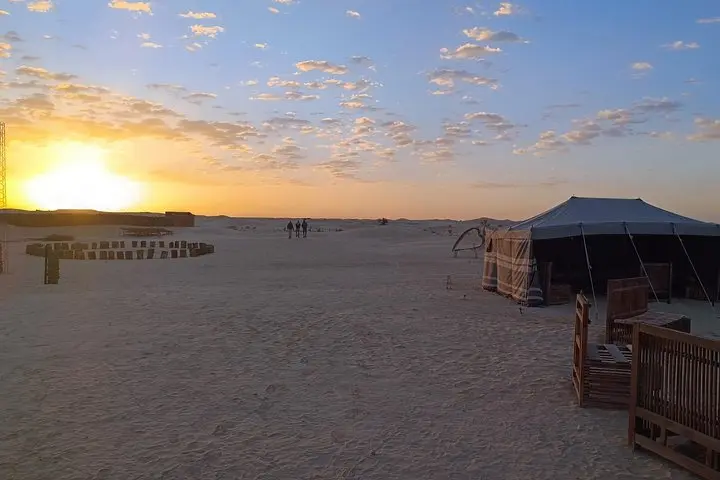
By midday the land changes: the limestone and soft sandstone of southern Tunisia gives way to the scooped, cave-like homes of Matmata. These troglodyte dwellings—carved to regulate heat—are living architecture, a pragmatic response to geology and climate. The second night, Douz offers its reputation as the Gateway to the Sahara; camel silhouettes and a possible desert camp replace hotel corridors.
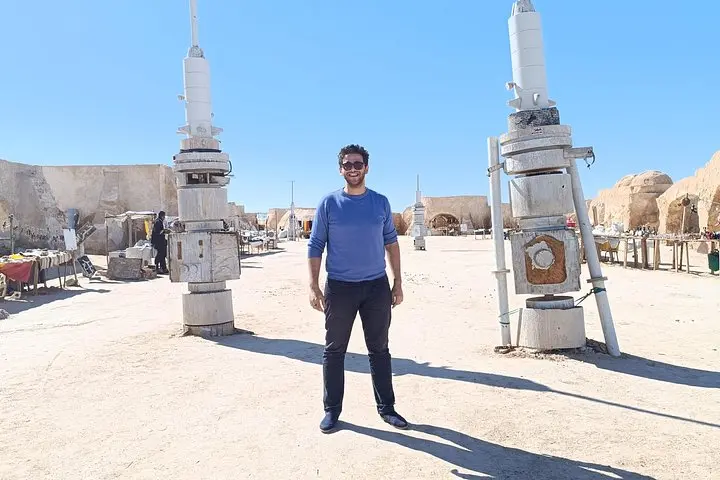
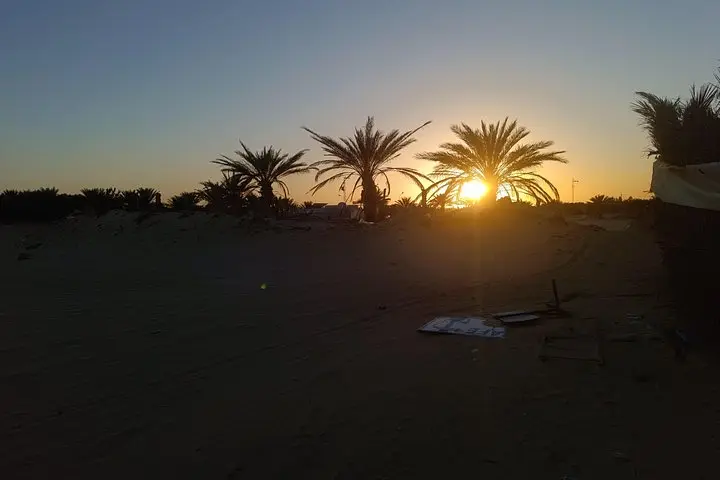
Day two stretches across Chott El Djerid, a vast salt pan whose seasonal crust and mineral blooms create mirage effects and surprising pink flats. Tozeur’s palm groves and brick medina feel almost otherworldly after wide-open desert; nearby Ong Jmal ("Camel’s Neck") and the Mos Espa film set underline how geology and culture combine to inspire storytelling.
Practicalities: expect long drives in a private vehicle, short guided walks, and options for camel rides or 4x4 dune runs at extra cost. Temperatures swing dramatically—pack sun protection and warm layers for night. Keep local currency for small vendors, and allow extra time for photo stops; salt flats and oases reward patience. This is a trip best approached with moderate fitness and curiosity: it’s a compact loop through Roman history, Berber life, and Saharan landscapes that rewards active attention more than speed.
Expect multiple long drives—this is a road-based 48‑hour circuit that covers El Djem to Tozeur with several stops for visits and photography.
Camel rides and quad excursions into dunes are typically optional and available at an additional cost once in Douz or nearby desert camps.
Service animals and infant seats are noted as available; families should confirm vehicle space and comfort for long transfers when booking.
Bring sun protection, closed shoes, a wind layer, and a camera—salt flats are exposed and glare is strong; some travelers bring a thin scarf for dust protection.
Kings Service Tours operates guided outdoor trips and adventures with an emphasis on safety, stewardship, and memorable experiences.
You arrive before dawn on a road that unfurls into ochre plains, and the horizon is already thinking in dunes. The first morning finds you circling a Roman colosseum in El Djem, its crumbling annulus casting long, cool shadows while guides explain how amphitheatres shaped social life in Africa Proconsularis.
You arrive before dawn on a road that unfurls into ochre plains, and the horizon is already thinking in dunes. The first morning finds you circling a Roman colosseum in El Djem, its crumbling annulus casting long, cool shadows while guides explain how amphitheatres shaped social life in Africa Proconsularis.
By midday the land changes: the limestone and soft sandstone of southern Tunisia gives way to the scooped, cave-like homes of Matmata. These troglodyte dwellings—carved to regulate heat—are living architecture, a pragmatic response to geology and climate. The second night, Douz offers its reputation as the Gateway to the Sahara; camel silhouettes and a possible desert camp replace hotel corridors.
Day two stretches across Chott El Djerid, a vast salt pan whose seasonal crust and mineral blooms create mirage effects and surprising pink flats. Tozeur’s palm groves and brick medina feel almost otherworldly after wide-open desert; nearby Ong Jmal ("Camel’s Neck") and the Mos Espa film set underline how geology and culture combine to inspire storytelling.
Practicalities: expect long drives in a private vehicle, short guided walks, and options for camel rides or 4x4 dune runs at extra cost. Temperatures swing dramatically—pack sun protection and warm layers for night. Keep local currency for small vendors, and allow extra time for photo stops; salt flats and oases reward patience. This is a trip best approached with moderate fitness and curiosity: it’s a compact loop through Roman history, Berber life, and Saharan landscapes that rewards active attention more than speed.