THE ADVENTURE COLLECTIVE® · Independent discovery and booking for outdoor travel

Two days in Siem Reap pack centuries of Khmer history into sunrise temples, silk workshops and the lively Old Market. This private tour covers Angkor Wat, Angkor Thom, Ta Prohm and cultural stops with logistics handled for a focused, informed experience.
Two days in Siem Reap pack centuries of Khmer history into sunrise temples, silk workshops and the lively Old Market. This private tour covers Angkor Wat, Angkor Thom, Ta Prohm and cultural stops with logistics handled for a focused, informed experience.
Dawn arrives slow and humid over the low plains around Siem Reap, the temple towers of Angkor casting long, sharp silhouettes as tuk-tuks thread between paddy fields and faded stone. On a two-day discovery you'll move from artisan workshops where silk is spun and dyed to the shadowed galleries of Bayon and the root-entangled corridors of Ta Prohm — a survey of Cambodia that balances craft, history and raw landscape.
Verified experiences and guided adventures in the surrounding area.
Operated by Royal Phnom Penh Tours · Siem Reap, Siem Reap Province
Dawn arrives slow and humid over the low plains around Siem Reap, the temple towers of Angkor casting long, sharp silhouettes as tuk-tuks thread between paddy fields and faded stone. On a two-day discovery you'll move from artisan workshops where silk is spun and dyed to the shadowed galleries of Bayon and the root-entangled corridors of Ta Prohm — a survey of Cambodia that balances craft, history and raw landscape.
The Angkor complex grew from the 9th–15th century Khmer empire; its sandstone quarries and laterite foundations tell a story of hydraulic engineering and imperial ritual more than elevation. Siem Reap itself is a market town shaped by tourism and the continuing work of social enterprises such as Artisans Angkor and the Angkor Silk Farm, which revive traditional skills while providing local employment.
Expect long stretches of walking across flat, sometimes sandy temple grounds; distances between major sites can be several kilometers but elevation gain is negligible. Cultural context matters: pagodas and memorials like Wat Thmey (the Killing Fields) require quiet respect and modest dress. Practicalities are straightforward — bring sunscreen and plenty of water, plan temple visits for early morning and late afternoon to avoid heat and crowds, and buy a multi-day Angkor pass in advance.
This itinerary combines immersive sights with logistics handled — private transport, entrance tickets and an English-speaking guide — so you can focus on the history, the carvings, and the market rhythms of Siem Reap without losing the essentials: timing, hydration, and respectful behavior around sacred sites.
Yes — a multi-day Angkor pass (1-, 3-, or 7-day) is required for entry to the main temple zones and is typically arranged in advance or upon arrival.
The itinerary notes wheelchair accessibility and low physical demand, but some temple areas have steps and uneven ground; check specific mobility needs with the operator ahead of booking.
US dollars are widely accepted in Siem Reap for tourism services; tipping guides and drivers is customary (small amounts per day) and appreciated for good service.
This tour mentions bottled water and cold towels included; meals may be arranged but confirm whether lunches are covered in your booking details.
Royal Phnom Penh Tours operates guided outdoor trips and adventures with an emphasis on safety, stewardship, and memorable experiences.

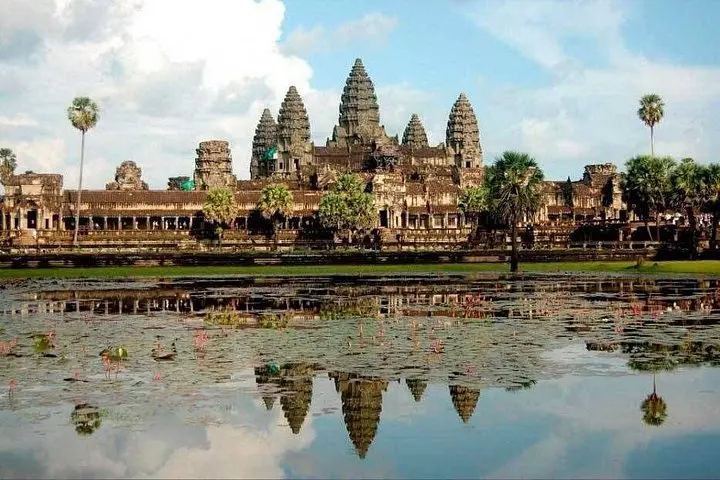
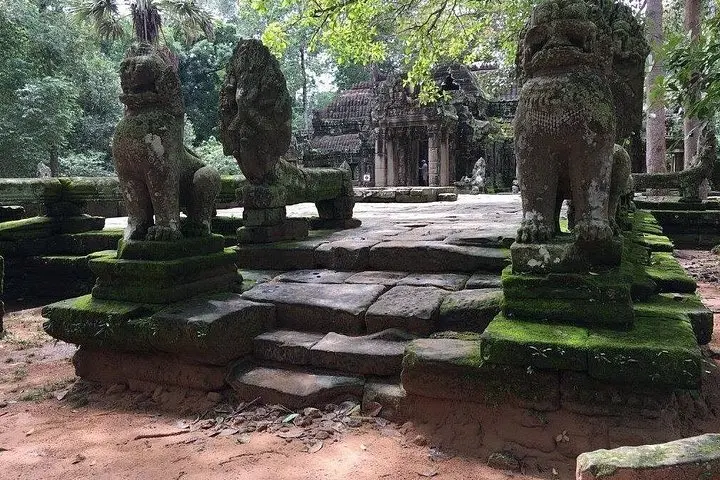
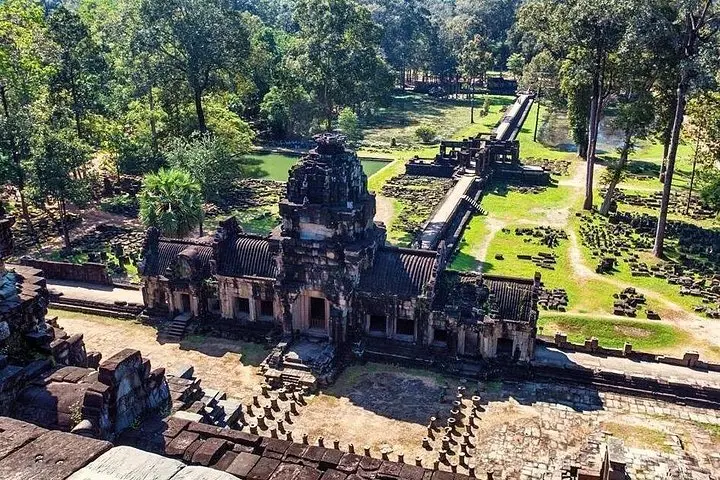
Dawn arrives slow and humid over the low plains around Siem Reap, the temple towers of Angkor casting long, sharp silhouettes as tuk-tuks thread between paddy fields and faded stone. On a two-day discovery you'll move from artisan workshops where silk is spun and dyed to the shadowed galleries of Bayon and the root-entangled corridors of Ta Prohm — a survey of Cambodia that balances craft, history and raw landscape.
Dawn arrives slow and humid over the low plains around Siem Reap, the temple towers of Angkor casting long, sharp silhouettes as tuk-tuks thread between paddy fields and faded stone. On a two-day discovery you'll move from artisan workshops where silk is spun and dyed to the shadowed galleries of Bayon and the root-entangled corridors of Ta Prohm — a survey of Cambodia that balances craft, history and raw landscape.
The Angkor complex grew from the 9th–15th century Khmer empire; its sandstone quarries and laterite foundations tell a story of hydraulic engineering and imperial ritual more than elevation. Siem Reap itself is a market town shaped by tourism and the continuing work of social enterprises such as Artisans Angkor and the Angkor Silk Farm, which revive traditional skills while providing local employment.
Expect long stretches of walking across flat, sometimes sandy temple grounds; distances between major sites can be several kilometers but elevation gain is negligible. Cultural context matters: pagodas and memorials like Wat Thmey (the Killing Fields) require quiet respect and modest dress. Practicalities are straightforward — bring sunscreen and plenty of water, plan temple visits for early morning and late afternoon to avoid heat and crowds, and buy a multi-day Angkor pass in advance.
This itinerary combines immersive sights with logistics handled — private transport, entrance tickets and an English-speaking guide — so you can focus on the history, the carvings, and the market rhythms of Siem Reap without losing the essentials: timing, hydration, and respectful behavior around sacred sites.