THE ADVENTURE COLLECTIVE® · Independent discovery and booking for outdoor travel

Ride a 4x4 into the iron-streaked hills of Vizcaya to walk wagon routes, slip through hand-cut tunnels and visit the Basque Mining Museum. This private four-hour tour pairs off-road access with local mining history and practical insights for photographers and history-minded travelers.
Ride a 4x4 into the iron-streaked hills of Vizcaya to walk wagon routes, slip through hand-cut tunnels and visit the Basque Mining Museum. This private four-hour tour pairs off-road access with local mining history and practical insights for photographers and history-minded travelers.
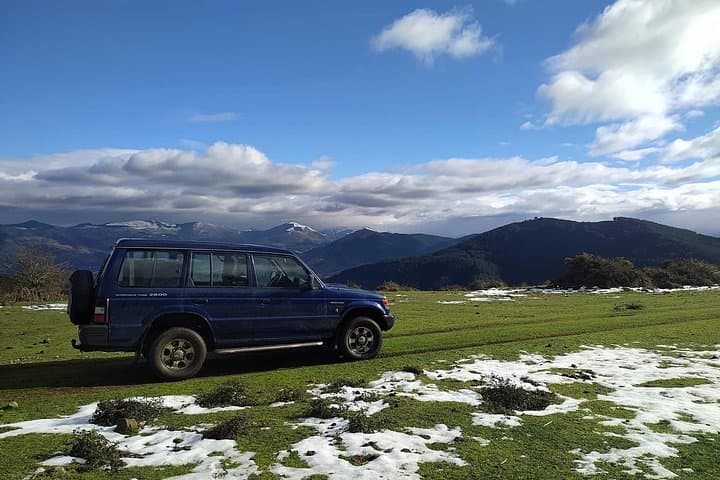
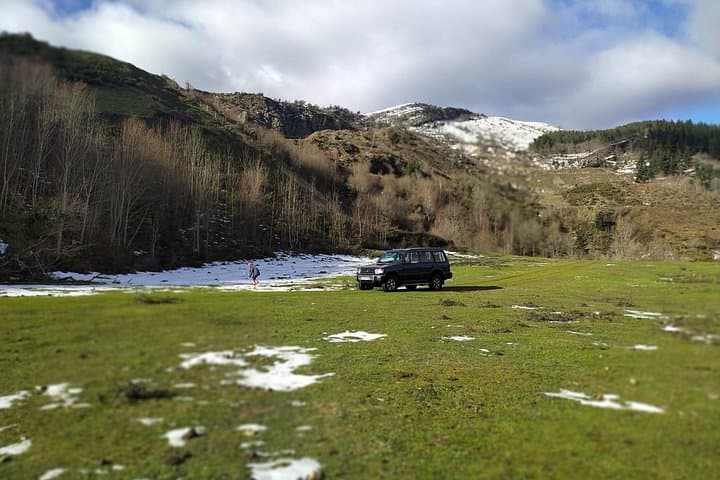
Dust lifts behind the 4x4 as you climb a ribbon of crushed rock into the old mining flank of Vizcaya. Wind and iron-scented dust press against the windows; the vehicle dips into a hand-drilled tunnel and the guide points to parallel ruts where ore wagons once ran. The drive feels like stepping into the mechanics of an industrial landscape that still breathes.
Verified experiences and guided adventures in the surrounding area.
Operated by Destinos en pareja · Bilbao, Biscay
Dust lifts behind the 4x4 as you climb a ribbon of crushed rock into the old mining flank of Vizcaya. Wind and iron-scented dust press against the windows; the vehicle dips into a hand-drilled tunnel and the guide points to parallel ruts where ore wagons once ran. The drive feels like stepping into the mechanics of an industrial landscape that still breathes.
This brief but concentrated tour threads geology and culture: the low, iron-rich hills are the product of ancient sedimentary deposits later mined intensively from the 19th century onward. You’ll pass miner tracks, short adits carved by hand, and viewpoints over reclaimed spoil heaps that now slope with scrub and pines. The included visit to the Basque Mining Museum frames those ruins—tools, maps and oral histories (like Joxe’s story) explain how raw ore fed Bilbao’s rise as an industrial port.
Practical guidance: the full experience runs about four hours, with roughly three hours off-road and a 30-minute museum stop; private transport, bottled water and snacks are included. Terrain is rough but the tour requires little physical exertion—expect uneven tracks, shallow tunnels, and occasional loose rock. Morning departures give crisper light for photos and cooler temperatures; bring closed-toe shoes, windproof layers, sunscreen, and a camera with a secure strap. The route is best for travelers curious about industrial heritage and landscapes shaped by extraction—respect marked areas, follow the guide’s instructions in tunnels, and leave no trace on fragile reclamation zones.
The tour is approximately four hours, with around three hours exploring off-road and a 30-minute stop at the Basque Mining Museum.
Yes—physical demands are low, but participants should be able to enter and exit a 4x4 and manage short walks on uneven ground.
Facilities are limited on mountain tracks; restroom stops are available before departure and at the museum stop.
The operator has a 24-hour cancellation policy for refunds; tours generally continue in light rain but may be adjusted for safety in severe weather.
Destinos en pareja operates guided outdoor trips and adventures with an emphasis on safety, stewardship, and memorable experiences.
Dust lifts behind the 4x4 as you climb a ribbon of crushed rock into the old mining flank of Vizcaya. Wind and iron-scented dust press against the windows; the vehicle dips into a hand-drilled tunnel and the guide points to parallel ruts where ore wagons once ran. The drive feels like stepping into the mechanics of an industrial landscape that still breathes.
Dust lifts behind the 4x4 as you climb a ribbon of crushed rock into the old mining flank of Vizcaya. Wind and iron-scented dust press against the windows; the vehicle dips into a hand-drilled tunnel and the guide points to parallel ruts where ore wagons once ran. The drive feels like stepping into the mechanics of an industrial landscape that still breathes.
This brief but concentrated tour threads geology and culture: the low, iron-rich hills are the product of ancient sedimentary deposits later mined intensively from the 19th century onward. You’ll pass miner tracks, short adits carved by hand, and viewpoints over reclaimed spoil heaps that now slope with scrub and pines. The included visit to the Basque Mining Museum frames those ruins—tools, maps and oral histories (like Joxe’s story) explain how raw ore fed Bilbao’s rise as an industrial port.
Practical guidance: the full experience runs about four hours, with roughly three hours off-road and a 30-minute museum stop; private transport, bottled water and snacks are included. Terrain is rough but the tour requires little physical exertion—expect uneven tracks, shallow tunnels, and occasional loose rock. Morning departures give crisper light for photos and cooler temperatures; bring closed-toe shoes, windproof layers, sunscreen, and a camera with a secure strap. The route is best for travelers curious about industrial heritage and landscapes shaped by extraction—respect marked areas, follow the guide’s instructions in tunnels, and leave no trace on fragile reclamation zones.