THE ADVENTURE COLLECTIVE® · Independent discovery and booking for outdoor travel

A half-day 4x4 safari from Agadir into Souss-Massa National Park offers close wildlife viewing, coastal vistas and a museum introduction to endangered Saharan species. Expect guided vehicle stops, strict no-exit zones in sensitive areas, and excellent birdwatching opportunities.
A half-day 4x4 safari from Agadir into Souss-Massa National Park offers close wildlife viewing, coastal vistas and a museum introduction to endangered Saharan species. Expect guided vehicle stops, strict no-exit zones in sensitive areas, and excellent birdwatching opportunities.
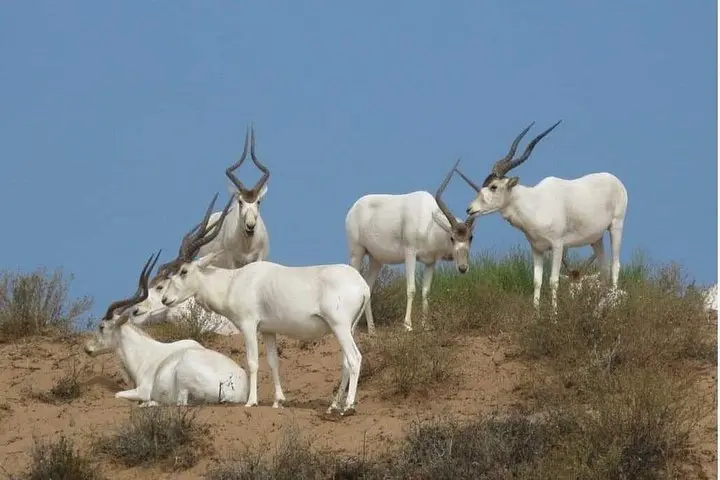
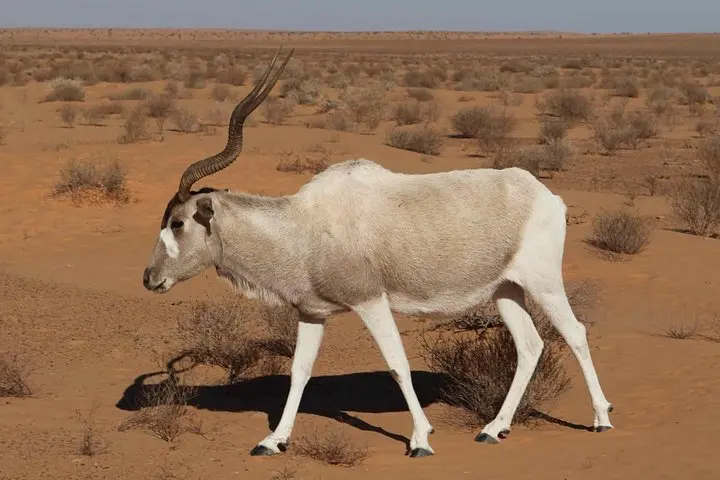
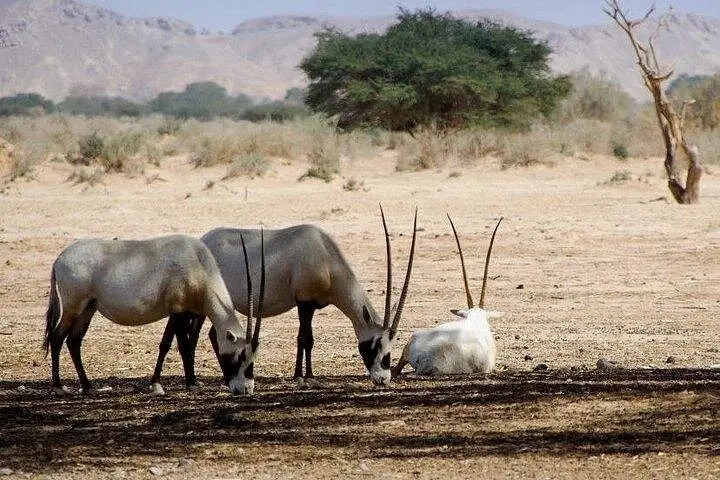
Dust lifts in the wake of the 4x4 as the Atlantic wind pushes inland and the scrubby plains of Souss-Massa spread out like a wild experiment in survival. Morning light picks out the pale profiles of gazelles and the angular backs of distant oryx enclosures; gulls and curlews wheel above the coastal dunes while the guide eases the vehicle along tracks cut for close, quiet observation.
Verified experiences and guided adventures in the surrounding area.
Operated by Agadir exkursion · Agadir, Souss-Massa
Dust lifts in the wake of the 4x4 as the Atlantic wind pushes inland and the scrubby plains of Souss-Massa spread out like a wild experiment in survival. Morning light picks out the pale profiles of gazelles and the angular backs of distant oryx enclosures; gulls and curlews wheel above the coastal dunes while the guide eases the vehicle along tracks cut for close, quiet observation.
Established in 1991, Souss-Massa National Park protects a swath of Morocco’s Atlantic coast and the sands that once supported Saharan fauna. Geologically the area is a ribbon of coastal dunes, alluvial plains and low cliffs where freshwater wadis meet saline tidal flats — a mix that supports migratory birds, reintroduced antelope and endemic coastal plants. Local fishing villages and pottery workshops around the park add cultural color, with small harbors and caves that hint at a maritime history tied to the sea.
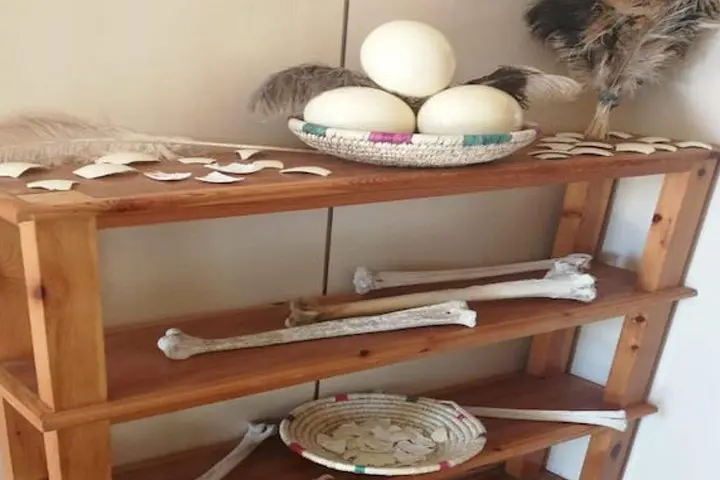
The tour begins with a museum orientation to species like the scimitar-horned oryx and northern bald ibis, then moves into the park for scheduled stops at viewpoints, beaches and observation points. Visitors should expect a mix of gentle driving, short guided stops, and strict rules about exiting the vehicle in sensitive zones.
Practical tip: start early for cooler light and active wildlife, bring binoculars and sun protection, and plan for bumpy roads — the vehicle provides shade but not shelter. Photography works best with a telephoto lens; follow guide instructions closely to minimize disturbance to reintroduced species and nesting birds.
No—certain sectors are off-limits to foot traffic to protect reintroduced and nesting species; the guide will indicate safe stopping points.
Yes—infant seats are available and the drive is family-friendly, but keep children supervised and follow safety rules inside the vehicle.
Early morning offers the highest activity for both resident mammals and migratory birds; cooler months bring more shorebird concentrations.
Most tours do not include meals—bring water and snacks, though many operators stop near small villages where you can buy refreshments.
Agadir exkursion operates guided outdoor trips and adventures with an emphasis on safety, stewardship, and memorable experiences.
Dust lifts in the wake of the 4x4 as the Atlantic wind pushes inland and the scrubby plains of Souss-Massa spread out like a wild experiment in survival. Morning light picks out the pale profiles of gazelles and the angular backs of distant oryx enclosures; gulls and curlews wheel above the coastal dunes while the guide eases the vehicle along tracks cut for close, quiet observation.
Dust lifts in the wake of the 4x4 as the Atlantic wind pushes inland and the scrubby plains of Souss-Massa spread out like a wild experiment in survival. Morning light picks out the pale profiles of gazelles and the angular backs of distant oryx enclosures; gulls and curlews wheel above the coastal dunes while the guide eases the vehicle along tracks cut for close, quiet observation.
Established in 1991, Souss-Massa National Park protects a swath of Morocco’s Atlantic coast and the sands that once supported Saharan fauna. Geologically the area is a ribbon of coastal dunes, alluvial plains and low cliffs where freshwater wadis meet saline tidal flats — a mix that supports migratory birds, reintroduced antelope and endemic coastal plants. Local fishing villages and pottery workshops around the park add cultural color, with small harbors and caves that hint at a maritime history tied to the sea.
The tour begins with a museum orientation to species like the scimitar-horned oryx and northern bald ibis, then moves into the park for scheduled stops at viewpoints, beaches and observation points. Visitors should expect a mix of gentle driving, short guided stops, and strict rules about exiting the vehicle in sensitive zones.
Practical tip: start early for cooler light and active wildlife, bring binoculars and sun protection, and plan for bumpy roads — the vehicle provides shade but not shelter. Photography works best with a telephoto lens; follow guide instructions closely to minimize disturbance to reintroduced species and nesting birds.