THE ADVENTURE COLLECTIVE® · Independent discovery and booking for outdoor travel

Take a private 4x4 into the Mendoza Precordillera to visit Huarpes petroglyphs, a pre-Hispanic mining settlement and the dramatic 365-curve descent. This full-day route blends geology, history and wild Andean scenery with personalized guiding.
Take a private 4x4 into the Mendoza Precordillera to visit Huarpes petroglyphs, a pre-Hispanic mining settlement and the dramatic 365-curve descent. This full-day route blends geology, history and wild Andean scenery with personalized guiding.
You crest a dusty ridgeline and the Andes open like a map: serrated peaks, rust-colored strata, and a valley where wind drafts gather and play. In a private 4x4 the road narrows into gravel tracks, the engine murmurs, and the guide points out petroglyphs etched into rock faces while condors hitch thermal currents overhead.
Verified experiences and guided adventures in the surrounding area.
Operated by Rutas Andinas · Uspallata, Mendoza
You crest a dusty ridgeline and the Andes open like a map: serrated peaks, rust-colored strata, and a valley where wind drafts gather and play. In a private 4x4 the road narrows into gravel tracks, the engine murmurs, and the guide points out petroglyphs etched into rock faces while condors hitch thermal currents overhead.
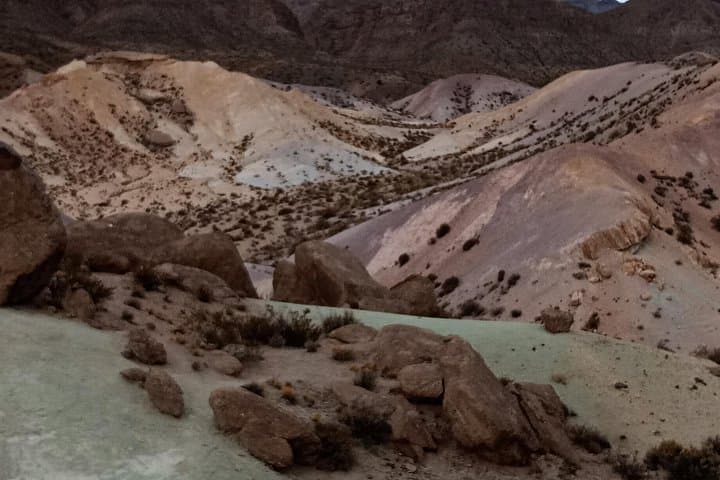
This tour follows routes walked by Huarpes and later traversed by Inca caravans, cutting through foothills shaped by Andean uplift and glacial action. The Precordillera shows its geological story in tilted beds, volcanic intrusions, and weathered conglomerates; nearby Villavicencio’s cliffs and the 365-curve descent illustrate active erosion and human attempts to tame steep terrain. Charles Darwin passed through Mendoza’s ranges in 1835, and the area still bears traces of early mining settlements and colonial-era roads.
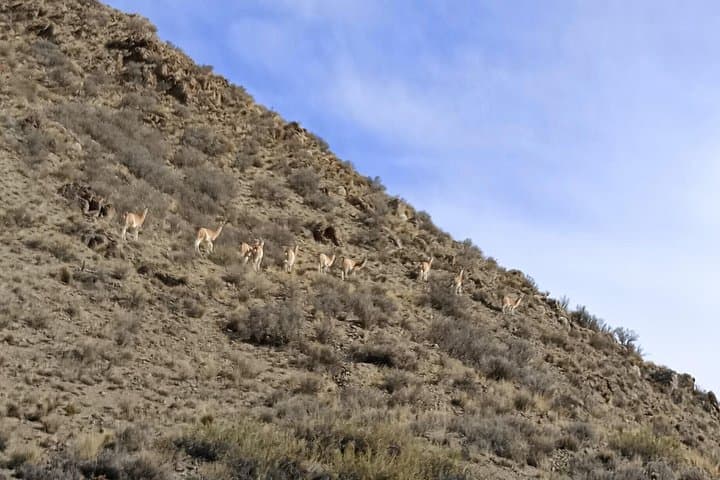
Expect varied surfaces—paved approaches, dirt tracks, and short rocky walks—plus stops at archaeological panels and a small pre-Hispanic mining site. Wildlife is shy but present: look for condors on thermals and guanacos on distant slopes; low scrub and resilient grasses dominate the vegetation.
Practical notes: the full-day itinerary runs about 9–10 hours and visits remote sections with limited services; bring layered clothing for cold mornings and strong sun midday, at least 2–3 liters of water, sturdy shoes with grip, and a camera with extra battery. The tour is vehicle-based with short walks, so it’s suitable for a wide range of fitness levels, but those with cardiovascular concerns should consult a physician beforehand. Morning departures avoid afternoon storms and give the best light for photos.
The private tour runs about 9–10 hours with pickup typically from Mendoza city or a prearranged meeting point in the greater Mendoza area.
The vehicle portions are private and accessible, but there are short uneven walks; travelers with limited mobility should discuss specifics with the operator in advance.
Yes—guides stop at petroglyph panels and a small mining settlement for up-close viewing, though visitors must not touch or climb on rock art or fragile ruins.
Sit toward the front, focus on the horizon, and bring motion-sickness medication if you’re prone to nausea—inform the guide so they can adjust driving pace.
Rutas Andinas operates guided outdoor trips and adventures with an emphasis on safety, stewardship, and memorable experiences.
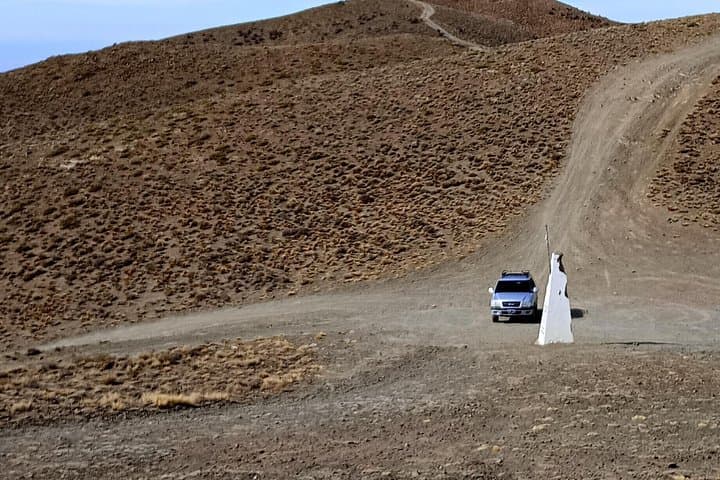
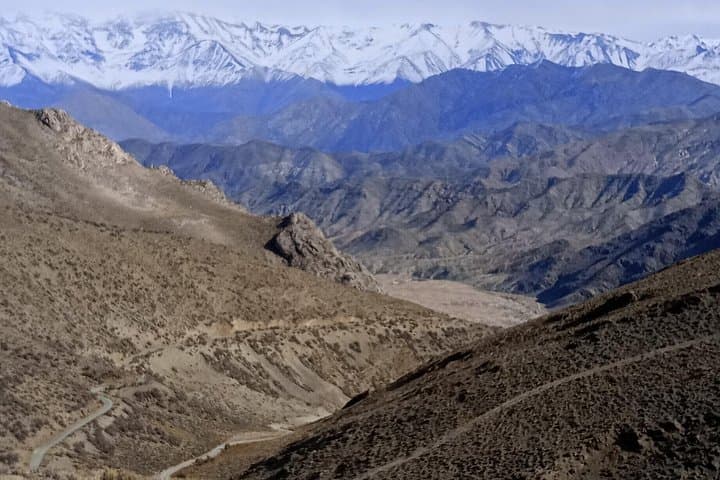
You crest a dusty ridgeline and the Andes open like a map: serrated peaks, rust-colored strata, and a valley where wind drafts gather and play. In a private 4x4 the road narrows into gravel tracks, the engine murmurs, and the guide points out petroglyphs etched into rock faces while condors hitch thermal currents overhead.
You crest a dusty ridgeline and the Andes open like a map: serrated peaks, rust-colored strata, and a valley where wind drafts gather and play. In a private 4x4 the road narrows into gravel tracks, the engine murmurs, and the guide points out petroglyphs etched into rock faces while condors hitch thermal currents overhead.
This tour follows routes walked by Huarpes and later traversed by Inca caravans, cutting through foothills shaped by Andean uplift and glacial action. The Precordillera shows its geological story in tilted beds, volcanic intrusions, and weathered conglomerates; nearby Villavicencio’s cliffs and the 365-curve descent illustrate active erosion and human attempts to tame steep terrain. Charles Darwin passed through Mendoza’s ranges in 1835, and the area still bears traces of early mining settlements and colonial-era roads.
Expect varied surfaces—paved approaches, dirt tracks, and short rocky walks—plus stops at archaeological panels and a small pre-Hispanic mining site. Wildlife is shy but present: look for condors on thermals and guanacos on distant slopes; low scrub and resilient grasses dominate the vegetation.
Practical notes: the full-day itinerary runs about 9–10 hours and visits remote sections with limited services; bring layered clothing for cold mornings and strong sun midday, at least 2–3 liters of water, sturdy shoes with grip, and a camera with extra battery. The tour is vehicle-based with short walks, so it’s suitable for a wide range of fitness levels, but those with cardiovascular concerns should consult a physician beforehand. Morning departures avoid afternoon storms and give the best light for photos.