THE ADVENTURE COLLECTIVE® · Independent discovery and booking for outdoor travel

Bump along limestone ridges and vine-lined lanes in a 4x4, hear the stories of Cognac’s growers and distillers, and end with a homemade cocktail at a panoramic clearing. This short tour compresses geology, history, and tasting into an intimate 2½-hour experience.
Bump along limestone ridges and vine-lined lanes in a 4x4, hear the stories of Cognac’s growers and distillers, and end with a homemade cocktail at a panoramic clearing. This short tour compresses geology, history, and tasting into an intimate 2½-hour experience.
The engine hums under the hood as the 4x4 rolls onto a ribbon of dirt between neat rows of vines. Wind passes through grape leaves that are just unfurling in spring or heavy with late-summer clusters—depending on the season—and the guide points to the chalky ridge that gives Cognac its character. For 2½ hours you travel a landscape shaped by geology and human hands: sun-scarred soils, low stone walls, and the occasional slate-roofed distillery peeking out from a copse of trees.
Verified experiences and guided adventures in the surrounding area.
Operated by Drôles de Cognac · Cognac, Nouvelle-Aquitaine
The engine hums under the hood as the 4x4 rolls onto a ribbon of dirt between neat rows of vines. Wind passes through grape leaves that are just unfurling in spring or heavy with late-summer clusters—depending on the season—and the guide points to the chalky ridge that gives Cognac its character. For 2½ hours you travel a landscape shaped by geology and human hands: sun-scarred soils, low stone walls, and the occasional slate-roofed distillery peeking out from a copse of trees.
This is the land of eaux-de-vie. Cognac's vineyards sit on calcareous plateaus—Grande Champagne and Petite Champagne among them—where the limestone and clay retain heat and lend a fine, floral acidity to the Ugni Blanc grapes most commonly grown here. The region’s history is one of trade and craft: merchants shipping barrels down the Charente to Bordeaux, cooperages turning oak into barrels, and families distilling single-vintage eaux-de-vie that will age for years in cellars below street level.
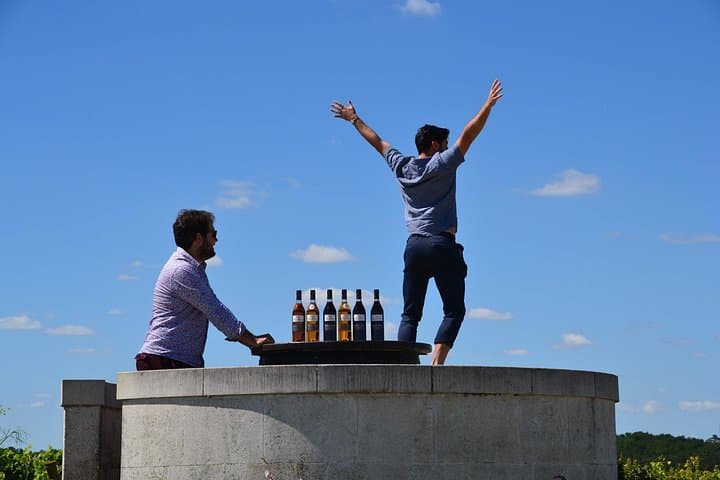
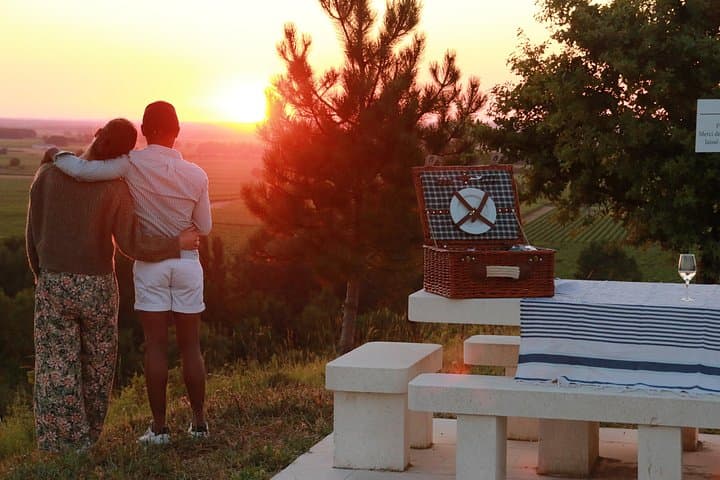
A knowledgeable local guide threads stories through the drive: the shift from Folle Blanche to Ugni Blanc after phylloxera, how the double distillation concentrates flavor, and why certain parcels are prized for their chalky terroir. The route is designed for photography and views, halting at elevated clearings where the valley opens toward the Charente River and where you’ll be served a homemade cocktail—local spirit, a twist, and a moment to taste the place.
Practicalities are understated but precise. The meeting point is the tourist office entrance in Cognac; tours run about 150 minutes and accommodate small groups for intimacy and minimal impact. Terrain is farm tracks and vineyard lanes—the 4x4 handles ruts and short climbs, but expect dust and uneven footing when you step out. The operator limits group size to seven and includes tastings, bottled water, and snacks.
For planning: book mid-afternoon for late light and the cocktail stop at golden hour. Wear closed-toe shoes for hopping in and out of the vehicle, bring sun protection, and pack a light wind layer—weather on the plateau can shift quickly. If you care about sustainability, ask your guide about organic parcels and family growers; many estates are moving toward reduced-spray regimes.
This tour is a compact, sensory immersion—part landscape drive, part vineyard primer, part convivial tasting—ideal for travelers who want to understand Cognac beyond the cellar door and see the land that literally flavors the spirit.
The tour meets and finishes at the entrance of the Cognac tourist office in the town center—arrive a few minutes early to check in.
Families are welcome and infants can ride in strollers; service animals are allowed but pets should be discussed with the operator in advance.
The tour includes a guided 4x4 drive, local tastings, a homemade cocktail during the panoramic stop, bottled water, and snacks.
The tour is rated easy but requires boarding a 4x4 and short uneven walks; contact the operator to discuss specific accessibility needs before booking.
Tours operate rain or shine—light rain won’t usually cancel, but the provider may cancel for severe weather; cancel at least 24 hours for a full refund.
Shared tours are limited to a maximum of seven travelers to keep the experience intimate and minimize impact on the vineyards.
Drôles de Cognac operates guided outdoor trips and adventures with an emphasis on safety, stewardship, and memorable experiences.
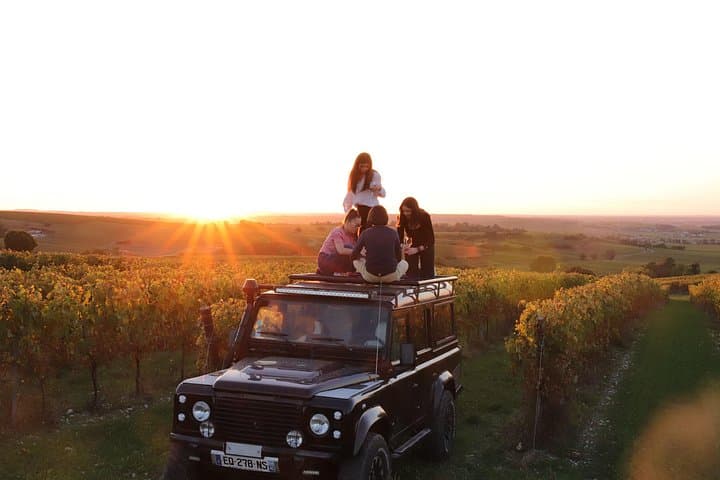
The engine hums under the hood as the 4x4 rolls onto a ribbon of dirt between neat rows of vines. Wind passes through grape leaves that are just unfurling in spring or heavy with late-summer clusters—depending on the season—and the guide points to the chalky ridge that gives Cognac its character. For 2½ hours you travel a landscape shaped by geology and human hands: sun-scarred soils, low stone walls, and the occasional slate-roofed distillery peeking out from a copse of trees.
The engine hums under the hood as the 4x4 rolls onto a ribbon of dirt between neat rows of vines. Wind passes through grape leaves that are just unfurling in spring or heavy with late-summer clusters—depending on the season—and the guide points to the chalky ridge that gives Cognac its character. For 2½ hours you travel a landscape shaped by geology and human hands: sun-scarred soils, low stone walls, and the occasional slate-roofed distillery peeking out from a copse of trees.
This is the land of eaux-de-vie. Cognac's vineyards sit on calcareous plateaus—Grande Champagne and Petite Champagne among them—where the limestone and clay retain heat and lend a fine, floral acidity to the Ugni Blanc grapes most commonly grown here. The region’s history is one of trade and craft: merchants shipping barrels down the Charente to Bordeaux, cooperages turning oak into barrels, and families distilling single-vintage eaux-de-vie that will age for years in cellars below street level.
A knowledgeable local guide threads stories through the drive: the shift from Folle Blanche to Ugni Blanc after phylloxera, how the double distillation concentrates flavor, and why certain parcels are prized for their chalky terroir. The route is designed for photography and views, halting at elevated clearings where the valley opens toward the Charente River and where you’ll be served a homemade cocktail—local spirit, a twist, and a moment to taste the place.
Practicalities are understated but precise. The meeting point is the tourist office entrance in Cognac; tours run about 150 minutes and accommodate small groups for intimacy and minimal impact. Terrain is farm tracks and vineyard lanes—the 4x4 handles ruts and short climbs, but expect dust and uneven footing when you step out. The operator limits group size to seven and includes tastings, bottled water, and snacks.
For planning: book mid-afternoon for late light and the cocktail stop at golden hour. Wear closed-toe shoes for hopping in and out of the vehicle, bring sun protection, and pack a light wind layer—weather on the plateau can shift quickly. If you care about sustainability, ask your guide about organic parcels and family growers; many estates are moving toward reduced-spray regimes.
This tour is a compact, sensory immersion—part landscape drive, part vineyard primer, part convivial tasting—ideal for travelers who want to understand Cognac beyond the cellar door and see the land that literally flavors the spirit.