THE ADVENTURE COLLECTIVE® · Independent discovery and booking for outdoor travel

A five-day loop from Nairobi through Amboseli and the twin parks of Tsavo packs close-range elephant encounters, Mzima Springs, and dramatic plains into one accessible wildlife safari. Early drives, lodge transfers, and a private vehicle rhythm the itinerary for good sightings and cultural stops.
A five-day loop from Nairobi through Amboseli and the twin parks of Tsavo packs close-range elephant encounters, Mzima Springs, and dramatic plains into one accessible wildlife safari. Early drives, lodge transfers, and a private vehicle rhythm the itinerary for good sightings and cultural stops.
Dawn pushes across a flat red plain and the silhouette of Mount Kilimanjaro sharpens into view as a safari jeep eases toward a grazing herd. The early light in Amboseli picks out the ridges of elephant skin and the dust trails left by wildebeest; the land here moves and watches as much as it welcomes.
Verified experiences and guided adventures in the surrounding area.
Operated by simba paka safaris · Nairobi, Nairobi County
Dawn pushes across a flat red plain and the silhouette of Mount Kilimanjaro sharpens into view as a safari jeep eases toward a grazing herd. The early light in Amboseli picks out the ridges of elephant skin and the dust trails left by wildebeest; the land here moves and watches as much as it welcomes.
This five-day route threads three of Kenya’s most iconic parks. Amboseli sits at Kilimanjaro’s lee—its open floodplains and alkaline marshes are the reason elephants congregate here. Tsavo West’s rolling lava ridges and the clear, spring-fed pools of Mzima speak to recent volcanic geology; Tsavo East opens into vast red plains where railway-era stories of the “man-eaters” linger in park lore. Maasai communities flank the parks, and many operators include short cultural stops that explain local grazing practices and beadwork traditions.
Expect game drives timed for the cool morning and late afternoon when predators are active and light is best for photography. Vehicles and lodges on this itinerary provide transfers, three daily meals on most days, and accessible transport—note long drives between parks. Practical prep: pack layered clothing for chilly mornings and hot afternoons, carry binoculars and a charged camera, and plan for dust and bumpy roads. The dry months (June–September and January–February) offer the most reliable visibility; rainy seasons can make some tracks slow.
This trip is equal parts scenery, wildlife viewing, and history—best approached with patience, respectful viewing distance, and a readiness for long but rewarding days in East African savanna.
Confirm at booking; many multi-day packages include standard park entrance fees, but always verify which fees are covered.
Yes—on clear mornings the north face of Kilimanjaro is visible from Amboseli; visibility depends on weather and cloud cover.
The itinerary is family-friendly and notes wheelchair-accessible transport, but game drives on rough tracks may be less comfortable for some mobility restrictions—check specifics with the operator.
The dry months (June–September and January–February) often produce the most reliable sightings, though wildlife is visible year-round.
simba paka safaris operates guided outdoor trips and adventures with an emphasis on safety, stewardship, and memorable experiences.
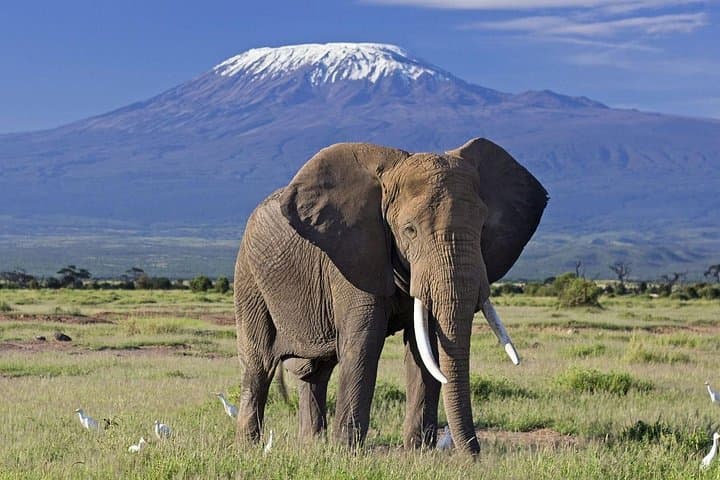


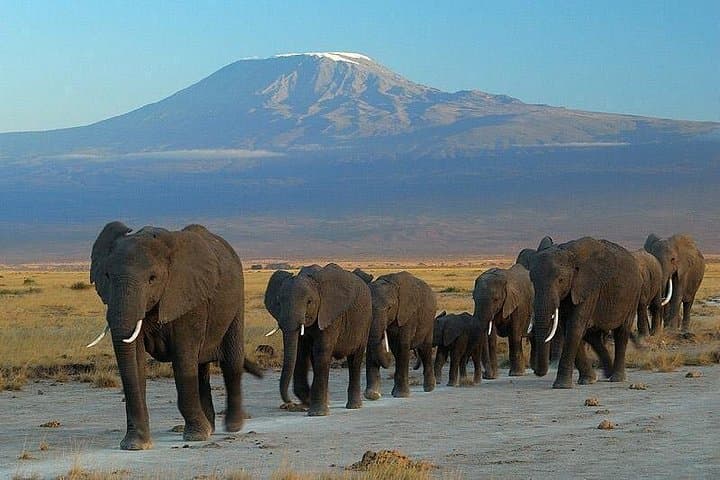
Dawn pushes across a flat red plain and the silhouette of Mount Kilimanjaro sharpens into view as a safari jeep eases toward a grazing herd. The early light in Amboseli picks out the ridges of elephant skin and the dust trails left by wildebeest; the land here moves and watches as much as it welcomes.
Dawn pushes across a flat red plain and the silhouette of Mount Kilimanjaro sharpens into view as a safari jeep eases toward a grazing herd. The early light in Amboseli picks out the ridges of elephant skin and the dust trails left by wildebeest; the land here moves and watches as much as it welcomes.
This five-day route threads three of Kenya’s most iconic parks. Amboseli sits at Kilimanjaro’s lee—its open floodplains and alkaline marshes are the reason elephants congregate here. Tsavo West’s rolling lava ridges and the clear, spring-fed pools of Mzima speak to recent volcanic geology; Tsavo East opens into vast red plains where railway-era stories of the “man-eaters” linger in park lore. Maasai communities flank the parks, and many operators include short cultural stops that explain local grazing practices and beadwork traditions.
Expect game drives timed for the cool morning and late afternoon when predators are active and light is best for photography. Vehicles and lodges on this itinerary provide transfers, three daily meals on most days, and accessible transport—note long drives between parks. Practical prep: pack layered clothing for chilly mornings and hot afternoons, carry binoculars and a charged camera, and plan for dust and bumpy roads. The dry months (June–September and January–February) offer the most reliable visibility; rainy seasons can make some tracks slow.
This trip is equal parts scenery, wildlife viewing, and history—best approached with patience, respectful viewing distance, and a readiness for long but rewarding days in East African savanna.