THE ADVENTURE COLLECTIVE® · Independent discovery and booking for outdoor travel

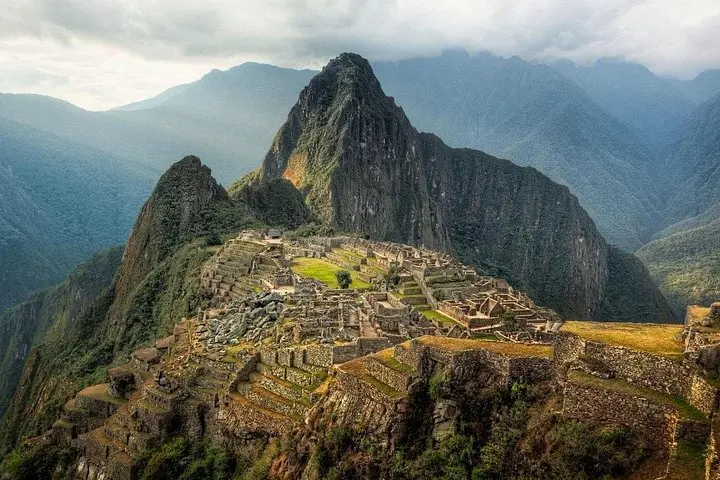
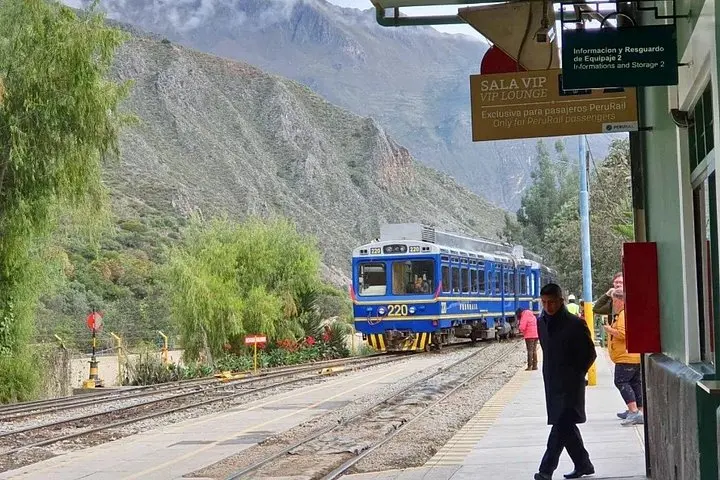
A quieter multi-day alternative to the classic Inca Trail, the Ancascocha trek links high Andean passes, lesser-known Inca sites and a final train ride into Aguas Calientes. Expect steep ascents, camping under clear mountain skies, and an early guided visit to Machu Picchu.
A quieter multi-day alternative to the classic Inca Trail, the Ancascocha trek links high Andean passes, lesser-known Inca sites and a final train ride into Aguas Calientes. Expect steep ascents, camping under clear mountain skies, and an early guided visit to Machu Picchu.
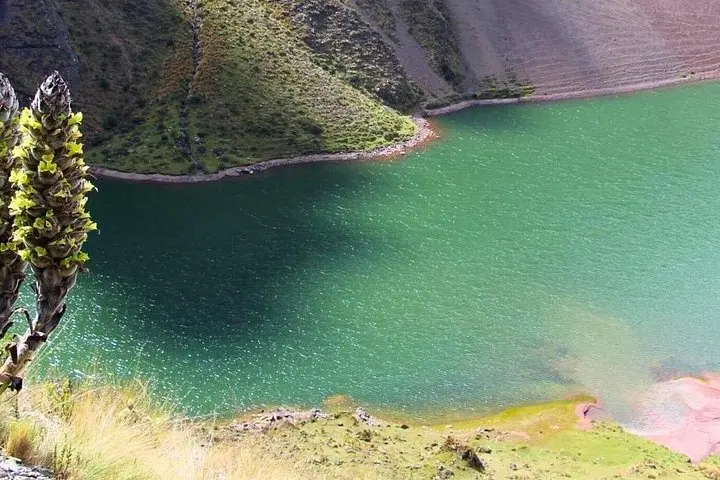
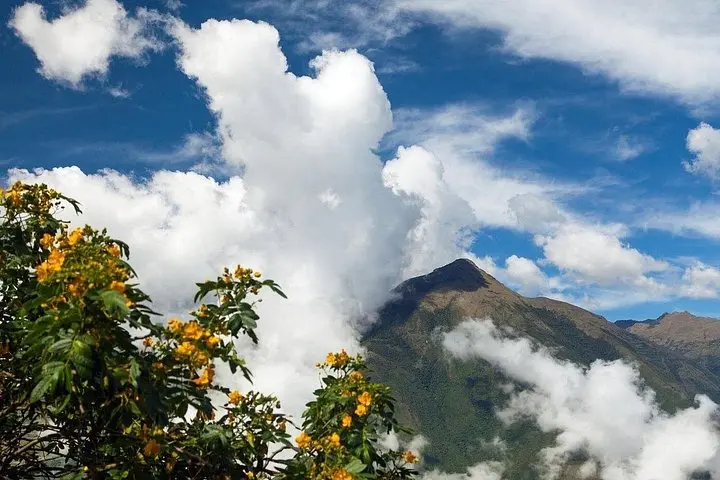
Dawn on the first day cuts a cool slice through the Andes as your group climbs out of Soqma. Mist uncoils from gullies and the trail pushes you forward—past the thunder of Perolniyoc Waterfall, across steep puna ridges, and into high passes where the wind seems to be testing your resolve.
Verified experiences and guided adventures in the surrounding area.
Operated by Peru Trekkers · Cusco, Cusco Region
Dawn on the first day cuts a cool slice through the Andes as your group climbs out of Soqma. Mist uncoils from gullies and the trail pushes you forward—past the thunder of Perolniyoc Waterfall, across steep puna ridges, and into high passes where the wind seems to be testing your resolve.
This five-day route threads quieter Inca-era track between Rayan, Ancascocha and Paucarcancha before linking to the classic stretch toward KM 82 and the Sacred Valley. Geologically you move from river-cut valleys into uplifted volcanic and metamorphic slopes typical of the Cusco highlands; stone terraces and ruins like Llactapata and Incaracay speak to centuries of human adaptation to these elevations.
Local communities still tend alpaca, make coca tea, and maintain footpaths used for generations—guides will interpret those customs and the agricultural terraces that mark Inca engineering.
Practical guidance: plan for altitude and variable weather—temperature swings are large and trail surfaces range from packed dirt to loose scree. Daily hikes include steep ascents (Abra Kuychiccasa, Abra Huayanay) and multi-hour stretches; expect camp nights on open Andean grass with provided double tents and mattresses. Hydrate, pace yourself on climbs, and carry layered insulation and a reliable rain shell. Early starts for the Machu Picchu visit reduce crowds; the included train and Machu Picchu ticket simplify logistics. Respect camp routines, pack out waste where instructed, and leave time to acclimatize in Cusco if you’re arriving from low elevations.
Yes—the tour includes a Machu Picchu entrance ticket and the Consettur bus from Aguas Calientes as specified in the itinerary.
Days include several multi-hour hikes with steep sections and high passes; participants should be comfortable hiking 5–8 hours with elevation changes of several hundred meters per day.
Camping equipment and sleeping mattresses are provided, but most operators require or strongly recommend you bring a sleeping bag or liner—confirm with the operator before departure.
The dry season (May–September) offers firmer trails and clearer skies, though shoulder months can also work with more variable weather.
Peru Trekkers operates guided outdoor trips and adventures with an emphasis on safety, stewardship, and memorable experiences.
Dawn on the first day cuts a cool slice through the Andes as your group climbs out of Soqma. Mist uncoils from gullies and the trail pushes you forward—past the thunder of Perolniyoc Waterfall, across steep puna ridges, and into high passes where the wind seems to be testing your resolve.
Dawn on the first day cuts a cool slice through the Andes as your group climbs out of Soqma. Mist uncoils from gullies and the trail pushes you forward—past the thunder of Perolniyoc Waterfall, across steep puna ridges, and into high passes where the wind seems to be testing your resolve.
This five-day route threads quieter Inca-era track between Rayan, Ancascocha and Paucarcancha before linking to the classic stretch toward KM 82 and the Sacred Valley. Geologically you move from river-cut valleys into uplifted volcanic and metamorphic slopes typical of the Cusco highlands; stone terraces and ruins like Llactapata and Incaracay speak to centuries of human adaptation to these elevations.
Local communities still tend alpaca, make coca tea, and maintain footpaths used for generations—guides will interpret those customs and the agricultural terraces that mark Inca engineering.
Practical guidance: plan for altitude and variable weather—temperature swings are large and trail surfaces range from packed dirt to loose scree. Daily hikes include steep ascents (Abra Kuychiccasa, Abra Huayanay) and multi-hour stretches; expect camp nights on open Andean grass with provided double tents and mattresses. Hydrate, pace yourself on climbs, and carry layered insulation and a reliable rain shell. Early starts for the Machu Picchu visit reduce crowds; the included train and Machu Picchu ticket simplify logistics. Respect camp routines, pack out waste where instructed, and leave time to acclimatize in Cusco if you’re arriving from low elevations.