THE ADVENTURE COLLECTIVE® · Independent discovery and booking for outdoor travel

This five-day private tour links Luxor and Aswan’s defining sites—from Karnak’s hypostyle forest to Abu Simbel’s sun‑aligned facades—using private A/C transport and optional Egyptologist guides. Expect long transfer days, immersive temple visits, and UNESCO‑level history.
This five-day private tour links Luxor and Aswan’s defining sites—from Karnak’s hypostyle forest to Abu Simbel’s sun‑aligned facades—using private A/C transport and optional Egyptologist guides. Expect long transfer days, immersive temple visits, and UNESCO‑level history.
Morning in Luxor feels like walking into a living relief: cool air off the Nile, sandstone pylons cutting a flat blue sky, and the slow hum of a private A/C van waiting to carry you upriver. Over five days this private transfer tour stitches together the region’s largest and most iconic sites—Karnak and Luxor temples, the tombs of the Valley of the Kings, Philae’s island sanctuary, and the rock-hewn colossi of Abu Simbel.
Verified experiences and guided adventures in the surrounding area.
Operated by Eyes of Egypt · Luxor, Luxor Governorate
Morning in Luxor feels like walking into a living relief: cool air off the Nile, sandstone pylons cutting a flat blue sky, and the slow hum of a private A/C van waiting to carry you upriver. Over five days this private transfer tour stitches together the region’s largest and most iconic sites—Karnak and Luxor temples, the tombs of the Valley of the Kings, Philae’s island sanctuary, and the rock-hewn colossi of Abu Simbel.
These monuments trace a long arc of history: Middle Kingdom foundations at Karnak, New Kingdom royal burials in the Valley of the Kings, Ptolemaic masterpieces at Edfu and Kom Ombo, and the modern rescue of Philae and Abu Simbel during the UNESCO Nubia Campaign. Geology matters here—Aswan’s pink granite gave rise to obelisks and quarries, while softer sandstone shaped temple facades along the Nile.
Cultural notes: markets on Luxor’s East Bank still bustle with spices, scarves and clinking tea glasses; Nubian communities south of Aswan guard distinct crafts and cuisine. Practicalities are straightforward—expect full-day drives (Aswan–Abu Simbel is ~300 km each way), walking on uneven stone and staircases, and strong midday sun. Bring a certified guide if you want detailed context for hieroglyphs and alignment details at Abu Simbel. Wear supportive shoes, sun protection, and carry water; many sites are wheelchair accessible in parts, but reliefs and steep steps remain fragile. With private logistics and flexible timing, you trade group constraints for the rhythm of the Nile and the quiet spaces inside ancient stone.
Some ticket options include entrance fees and a certified Egyptologist; confirm your package when booking to avoid onsite payments.
The one‑way drive from Aswan to Abu Simbel is about 300 km and typically takes 3–4 hours each way by private vehicle.
Many transport options and main visitor areas are wheelchair accessible, but expect uneven stone surfaces and stairs at several sites.
Yes, a certified Egyptologist adds valuable context—especially for hieroglyphs, solar alignments, and the complex histories of relocated temples.
Eyes of Egypt operates guided outdoor trips and adventures with an emphasis on safety, stewardship, and memorable experiences.
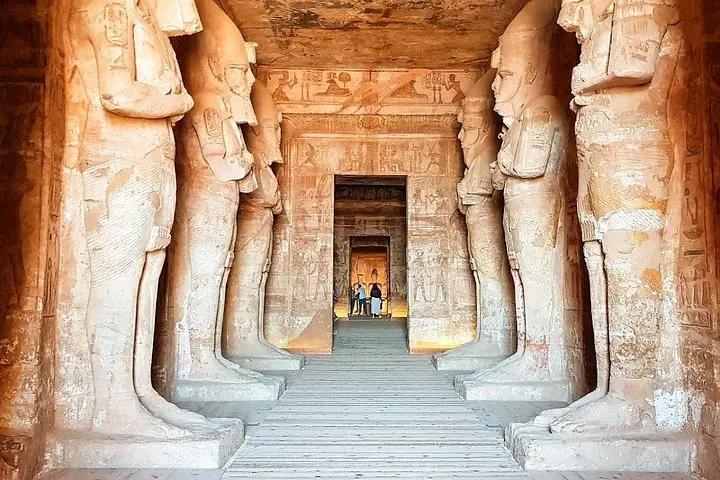
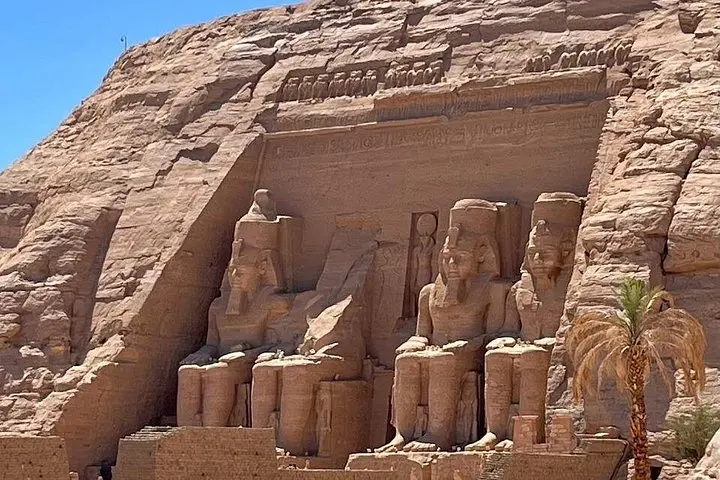
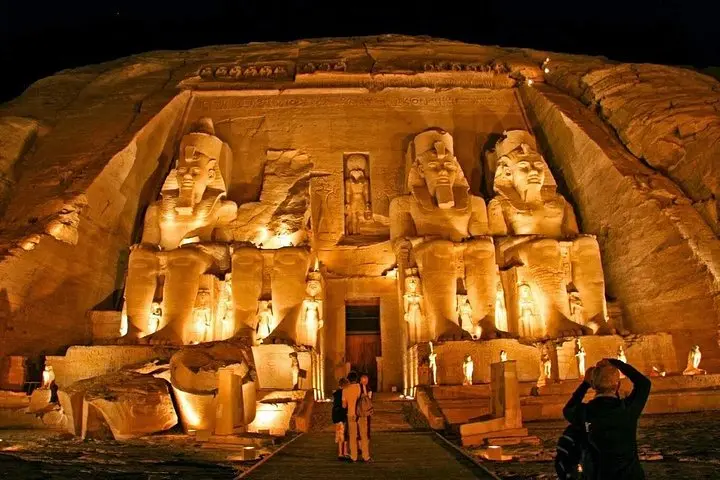
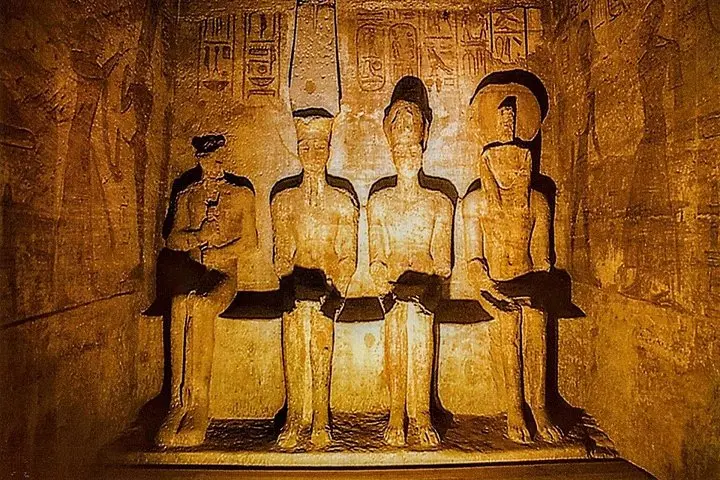
Morning in Luxor feels like walking into a living relief: cool air off the Nile, sandstone pylons cutting a flat blue sky, and the slow hum of a private A/C van waiting to carry you upriver. Over five days this private transfer tour stitches together the region’s largest and most iconic sites—Karnak and Luxor temples, the tombs of the Valley of the Kings, Philae’s island sanctuary, and the rock-hewn colossi of Abu Simbel.
Morning in Luxor feels like walking into a living relief: cool air off the Nile, sandstone pylons cutting a flat blue sky, and the slow hum of a private A/C van waiting to carry you upriver. Over five days this private transfer tour stitches together the region’s largest and most iconic sites—Karnak and Luxor temples, the tombs of the Valley of the Kings, Philae’s island sanctuary, and the rock-hewn colossi of Abu Simbel.
These monuments trace a long arc of history: Middle Kingdom foundations at Karnak, New Kingdom royal burials in the Valley of the Kings, Ptolemaic masterpieces at Edfu and Kom Ombo, and the modern rescue of Philae and Abu Simbel during the UNESCO Nubia Campaign. Geology matters here—Aswan’s pink granite gave rise to obelisks and quarries, while softer sandstone shaped temple facades along the Nile.
Cultural notes: markets on Luxor’s East Bank still bustle with spices, scarves and clinking tea glasses; Nubian communities south of Aswan guard distinct crafts and cuisine. Practicalities are straightforward—expect full-day drives (Aswan–Abu Simbel is ~300 km each way), walking on uneven stone and staircases, and strong midday sun. Bring a certified guide if you want detailed context for hieroglyphs and alignment details at Abu Simbel. Wear supportive shoes, sun protection, and carry water; many sites are wheelchair accessible in parts, but reliefs and steep steps remain fragile. With private logistics and flexible timing, you trade group constraints for the rhythm of the Nile and the quiet spaces inside ancient stone.