THE ADVENTURE COLLECTIVE® · Independent discovery and booking for outdoor travel

A five-day trek from Marrakech into the High Atlas that links small Berber villages, passes, and terraced valleys. Expect 3–6 hour hiking days, mule-supported luggage, and nights in local guesthouses.
A five-day trek from Marrakech into the High Atlas that links small Berber villages, passes, and terraced valleys. Expect 3–6 hour hiking days, mule-supported luggage, and nights in local guesthouses.
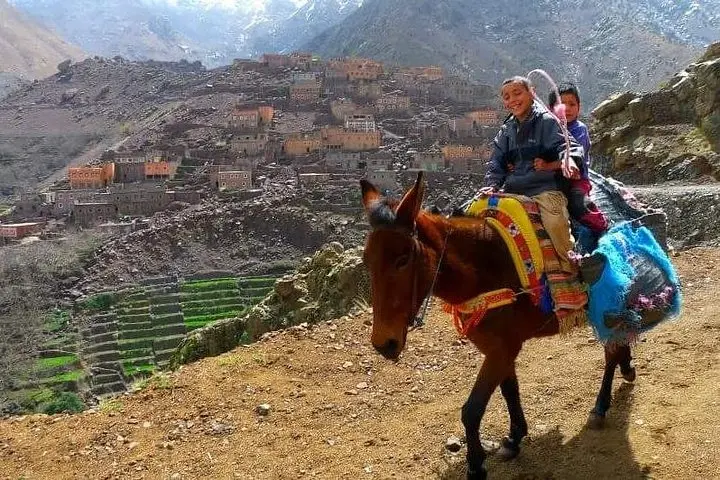
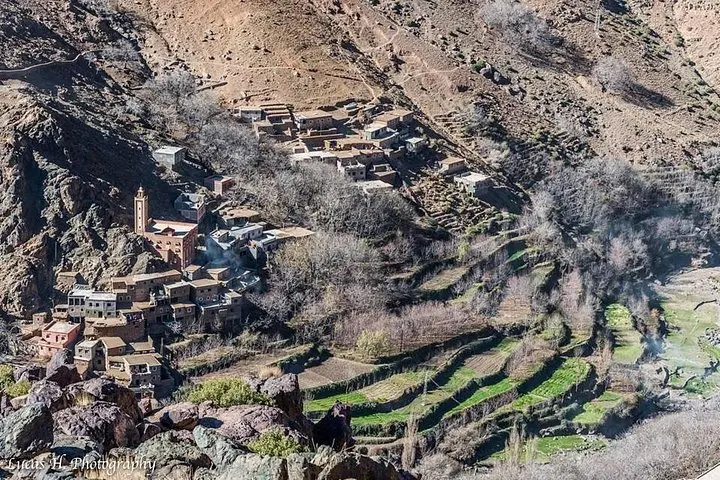
You step out of the van while the High Atlas presses close: a lattice of terraced fields clinging to steep slopes, goats picking their way among stone walls, and a cool wind that pushes the scent of thyme and wood smoke toward you.
Verified experiences and guided adventures in the surrounding area.
Operated by Morocco Tours Toubkal Trek · Imlil, Marrakech-Safi
You step out of the van while the High Atlas presses close: a lattice of terraced fields clinging to steep slopes, goats picking their way among stone walls, and a cool wind that pushes the scent of thyme and wood smoke toward you.
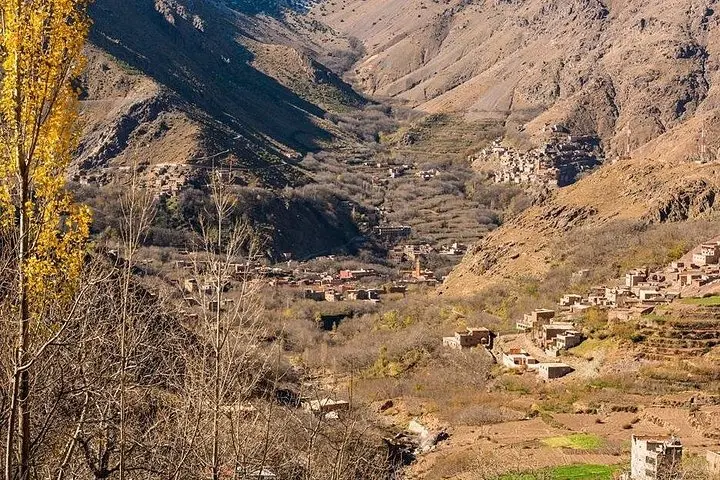
This five-day trek moves on high tracks and mule paths between Imlil, Tizi Oussem, Azzaden Valley and small hamlets at the base of the Toubkal massif. The area is carved from ancient uplifted rock — schist and volcanic intrusions — folded into steep valleys that channel winter snows and summer streams.
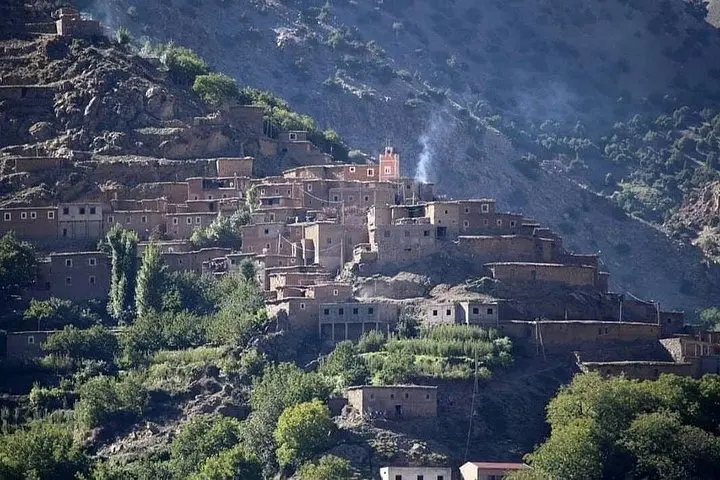
Local history is visible in mud-brick terraces and irrigation channels maintained by Berber families for generations; hospitality centers on shared meals and guesthouse stays that reflect a pastoral, agrarian pace. Guides explain how seasonal shepherding and terraced agriculture shaped settlement patterns and footpaths you now follow.
Practically: expect 3–6 hours of hiking per day on uneven trails with daily elevation changes usually 300–700 m when crossing passes like Tizi n'Tamatert. Mules or porters carry heavy bags; guests carry daypacks. Nights are in simple guesthouses with communal meals.
Plan for strong sun at lower elevations, chilly mornings and potentially wet footing after storms. Good footwear, layered clothing and a reliable water system are essential.
Timing your trek for spring or fall reduces heat stress and offers the best wildflower and waterway conditions. The route rewards steady walkers with broad mountain views, close cultural contact and the measured rhythm of village life in the High Atlas.
The operator describes it as suitable for a range of fitness levels; you'll hike 3–6 hours most days with manageable elevation changes — basic endurance training beforehand helps.
Yes — mules or porters carry heavy bags; accommodations are in local guesthouses rather than tents.
Simple, clean Berber guesthouses with shared facilities and home-cooked meals; heat and hot water can be limited in off-season.
A professional local guide is provided and recommended for navigation, cultural interpretation and safety in mountain weather.
Morocco Tours Toubkal Trek operates guided outdoor trips and adventures with an emphasis on safety, stewardship, and memorable experiences.
You step out of the van while the High Atlas presses close: a lattice of terraced fields clinging to steep slopes, goats picking their way among stone walls, and a cool wind that pushes the scent of thyme and wood smoke toward you.
You step out of the van while the High Atlas presses close: a lattice of terraced fields clinging to steep slopes, goats picking their way among stone walls, and a cool wind that pushes the scent of thyme and wood smoke toward you.
This five-day trek moves on high tracks and mule paths between Imlil, Tizi Oussem, Azzaden Valley and small hamlets at the base of the Toubkal massif. The area is carved from ancient uplifted rock — schist and volcanic intrusions — folded into steep valleys that channel winter snows and summer streams.
Local history is visible in mud-brick terraces and irrigation channels maintained by Berber families for generations; hospitality centers on shared meals and guesthouse stays that reflect a pastoral, agrarian pace. Guides explain how seasonal shepherding and terraced agriculture shaped settlement patterns and footpaths you now follow.
Practically: expect 3–6 hours of hiking per day on uneven trails with daily elevation changes usually 300–700 m when crossing passes like Tizi n'Tamatert. Mules or porters carry heavy bags; guests carry daypacks. Nights are in simple guesthouses with communal meals.
Plan for strong sun at lower elevations, chilly mornings and potentially wet footing after storms. Good footwear, layered clothing and a reliable water system are essential.
Timing your trek for spring or fall reduces heat stress and offers the best wildflower and waterway conditions. The route rewards steady walkers with broad mountain views, close cultural contact and the measured rhythm of village life in the High Atlas.