THE ADVENTURE COLLECTIVE® · Independent discovery and booking for outdoor travel

A five-day wildlife circuit across Uganda’s western highlands: chimp tracking in Kibale’s rain forest and gorilla trekking in Bwindi’s mossy slopes. Expect steep, muddy trails, one-hour gorilla visits, and vivid cultural stops en route.
A five-day wildlife circuit across Uganda’s western highlands: chimp tracking in Kibale’s rain forest and gorilla trekking in Bwindi’s mossy slopes. Expect steep, muddy trails, one-hour gorilla visits, and vivid cultural stops en route.
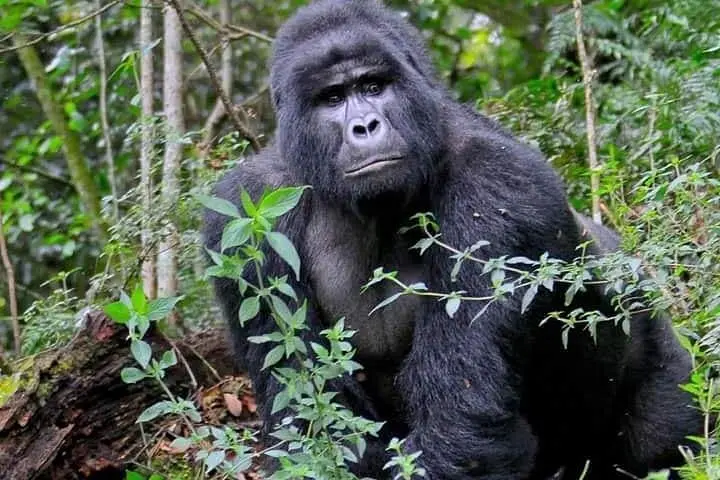
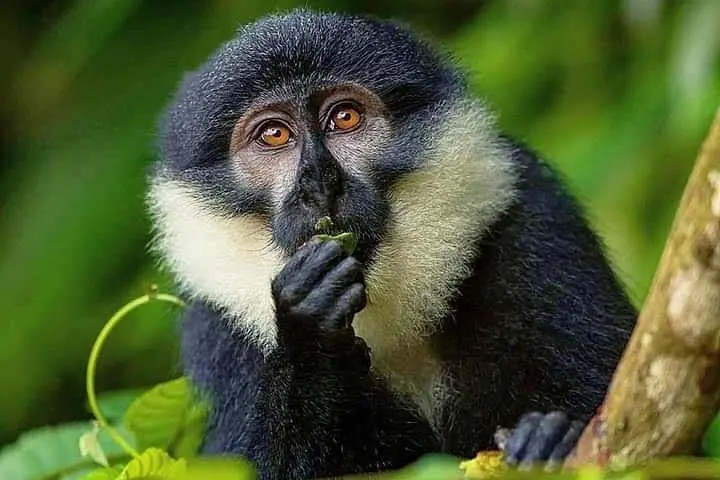
You step off the bumpy minivan into humid forest air; vines drip with the afternoon rain and the path ahead folds into green shadow. In five days you move from the mixed-wood hills around Kibale — where troops of chimpanzees chatter in the canopy — to the steep, moss-slick slopes of Bwindi, where mountain gorillas patrol hillside clearings with a deliberate calm.
Verified experiences and guided adventures in the surrounding area.
Operated by Bright Safaris Uganda · Buhoma, Kanungu District
You step off the bumpy minivan into humid forest air; vines drip with the afternoon rain and the path ahead folds into green shadow. In five days you move from the mixed-wood hills around Kibale — where troops of chimpanzees chatter in the canopy — to the steep, moss-slick slopes of Bwindi, where mountain gorillas patrol hillside clearings with a deliberate calm.
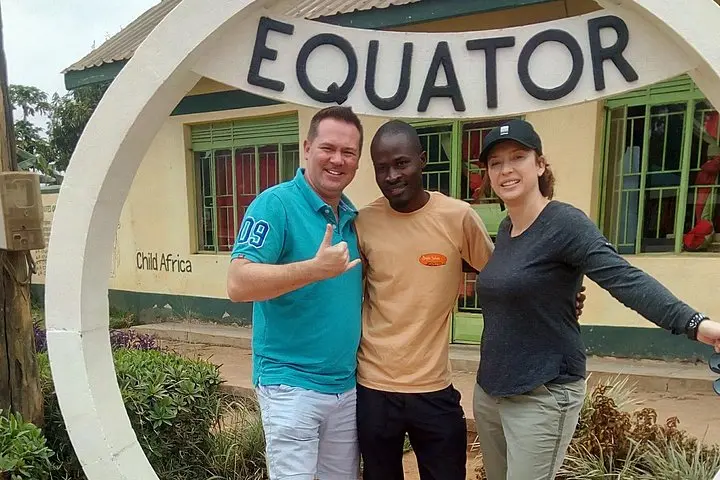
Geology here is recent volcanic highland: rounded ridges, deep valleys, and soils that feed dense montane forest. Human history is immediate — Bakiga and Batoro farming communities, colonial-era tea estates and local markets that punctuate the drive west from Kampala. Cultural rhythms — market bargaining, coffee and matoke cooking — are part of the route as guides explain conservation efforts and community tourism models around the parks.
The itinerary mixes 3–4 hour chimp walks in Kibale with a variable gorilla trek in Bwindi (1–8 hours to locate groups; one hour observation). Trails are steep, muddy and rooted; expect 300–800 m of sustained elevation change on some days and altitudes around 1,200–2,200 m in Bwindi. Wildlife is the focus but flora is abundant: ferns, giant lobelia, and orchids pull moisture from mist.
Practical guidance: book gorilla permits well in advance, prepare for wet conditions, and use breathable rain layers and gaiters. Carry 2–3 liters of water, insect repellent and quick-energy snacks. Keep required documents and vaccinations current, follow ranger briefings, and move slowly during viewing to minimize disturbance. This tour rewards patience — close, quiet observation delivers some of East Africa’s most intense wildlife encounters.
Trekking time varies from 1 to 8 hours depending on gorilla movements; once found visitors spend one hour with a group.
Yes—gorilla and chimpanzee permits are required and limited; book through Uganda Wildlife Authority or your operator well in advance.
Moderate to good fitness—expect steep, muddy trails and multi-hour hikes at altitude; porters are sometimes available for hire.
Minimum ages for gorilla trekking are set by authorities (often 15+); check current UWA rules and operator policies before booking.
Bright Safaris Uganda operates guided outdoor trips and adventures with an emphasis on safety, stewardship, and memorable experiences.

You step off the bumpy minivan into humid forest air; vines drip with the afternoon rain and the path ahead folds into green shadow. In five days you move from the mixed-wood hills around Kibale — where troops of chimpanzees chatter in the canopy — to the steep, moss-slick slopes of Bwindi, where mountain gorillas patrol hillside clearings with a deliberate calm.
You step off the bumpy minivan into humid forest air; vines drip with the afternoon rain and the path ahead folds into green shadow. In five days you move from the mixed-wood hills around Kibale — where troops of chimpanzees chatter in the canopy — to the steep, moss-slick slopes of Bwindi, where mountain gorillas patrol hillside clearings with a deliberate calm.
Geology here is recent volcanic highland: rounded ridges, deep valleys, and soils that feed dense montane forest. Human history is immediate — Bakiga and Batoro farming communities, colonial-era tea estates and local markets that punctuate the drive west from Kampala. Cultural rhythms — market bargaining, coffee and matoke cooking — are part of the route as guides explain conservation efforts and community tourism models around the parks.
The itinerary mixes 3–4 hour chimp walks in Kibale with a variable gorilla trek in Bwindi (1–8 hours to locate groups; one hour observation). Trails are steep, muddy and rooted; expect 300–800 m of sustained elevation change on some days and altitudes around 1,200–2,200 m in Bwindi. Wildlife is the focus but flora is abundant: ferns, giant lobelia, and orchids pull moisture from mist.
Practical guidance: book gorilla permits well in advance, prepare for wet conditions, and use breathable rain layers and gaiters. Carry 2–3 liters of water, insect repellent and quick-energy snacks. Keep required documents and vaccinations current, follow ranger briefings, and move slowly during viewing to minimize disturbance. This tour rewards patience — close, quiet observation delivers some of East Africa’s most intense wildlife encounters.