THE ADVENTURE COLLECTIVE® · Independent discovery and booking for outdoor travel

A compact five-day circuit from Cairo to Luxor that connects the Giza pyramids, the Egyptian Museum, Karnak and Luxor temples, and the Valley of the Kings. Ideal for travelers who want guided context, hotel transfers, and the essentials covered while exploring Egypt’s major ancient sites.
A compact five-day circuit from Cairo to Luxor that connects the Giza pyramids, the Egyptian Museum, Karnak and Luxor temples, and the Valley of the Kings. Ideal for travelers who want guided context, hotel transfers, and the essentials covered while exploring Egypt’s major ancient sites.
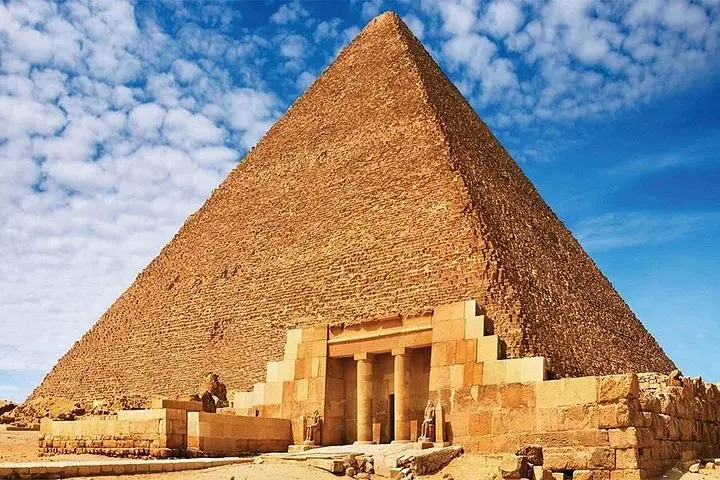
You step from the air-conditioned van into a wash of heat and stone: the Giza plateau spreads like an open book, the Great Pyramid rising as if it were still being written. The wind off the desert carries sand that rearranges itself across the Sphinx’s paws, and the Nile keeps its slow, insistent conversation far to the east in Luxor.
Verified experiences and guided adventures in the surrounding area.
Operated by Your Egypt Tours · Cairo, Cairo
You step from the air-conditioned van into a wash of heat and stone: the Giza plateau spreads like an open book, the Great Pyramid rising as if it were still being written. The wind off the desert carries sand that rearranges itself across the Sphinx’s paws, and the Nile keeps its slow, insistent conversation far to the east in Luxor.
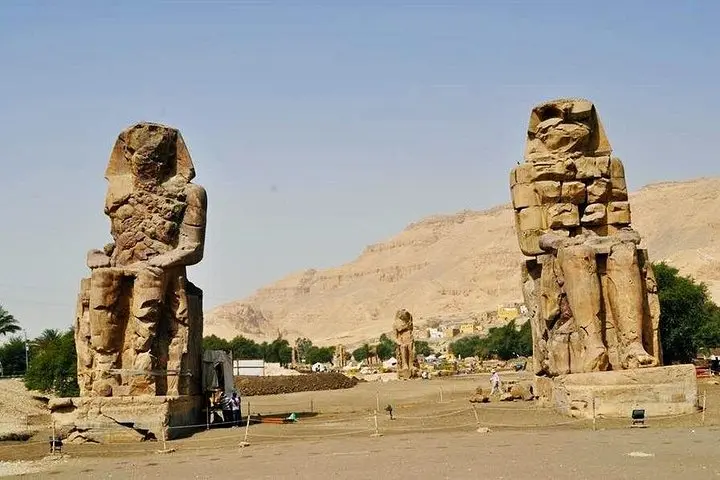
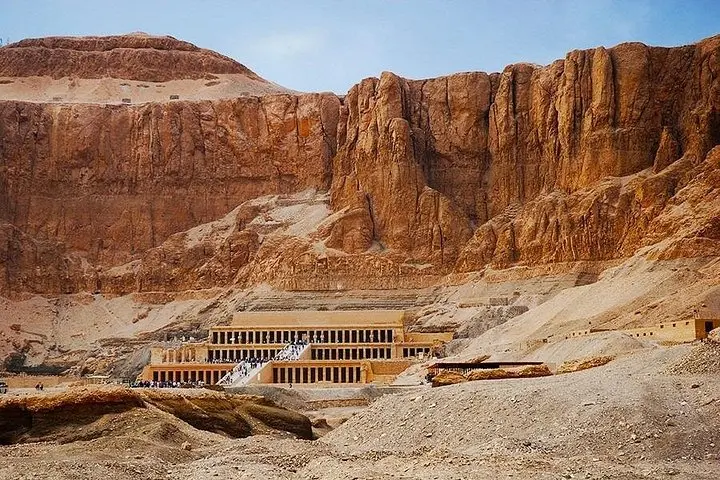
This five-day loop links Cairo’s millennia of urban layers with Thebes — modern Luxor — where pharaohs carved eternity into limestone and sandstone. Giza’s Old Kingdom pyramids and the Sphinx predate the New Kingdom tombs in the Valley of the Kings by almost two thousand years; Karnak and Luxor temples show how ritual architecture changed as kings sought favor from Amun-Ra. Geologically, the sandstone ridges west of the Nile made natural vaults for tomb-cutting; the Nile’s annual pulse shaped the fertile corridor that sustained these civilizations.
Culture here is tactile: hieroglyphs still read as instructions, bazaars pulse with bargaining, and local guides act as translators between modern life and ancient court ritual.
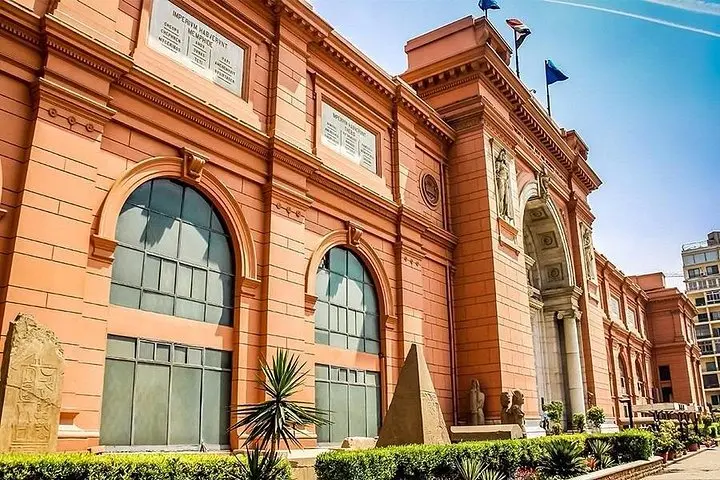
Practical side: start early to beat the sun, carry at least 2–3 liters of water daily, and wear closed toe shoes for uneven rock and temple steps. Many sites have stairs, low ceilings in tombs, and dusty paths—expect walking and brief climbs. Museum highlights are covered, but camera policies and extra-tomb fees vary. The tour includes hotel transfers, most major admissions listed in the itinerary, and a domestic flight between Luxor and Cairo — confirm the final pickup details the night before. Travel with respect: avoid touching painted surfaces and pack out waste to help keep these sites standing for the next visitor.
The itinerary lists admissions for major sites (Giza, Egyptian Museum, Valley of the Kings, Karnak, Luxor Temple) as included; optional extras like additional tombs, camera permits, or camel rides are usually paid on site.
Yes — the tour itinerary includes a flight from Luxor back to Cairo as part of the schedule; confirm flight times with your operator after booking.
The operator notes wheelchair accessibility for transfers and some sites, but many archaeological areas have uneven ground and steps—travelers with limited mobility should consult the operator for site-specific access plans.
October–April offers cooler, more comfortable conditions for sightseeing; summer is very hot and requires more careful planning for heat exposure.
Your Egypt Tours operates guided outdoor trips and adventures with an emphasis on safety, stewardship, and memorable experiences.
You step from the air-conditioned van into a wash of heat and stone: the Giza plateau spreads like an open book, the Great Pyramid rising as if it were still being written. The wind off the desert carries sand that rearranges itself across the Sphinx’s paws, and the Nile keeps its slow, insistent conversation far to the east in Luxor.
You step from the air-conditioned van into a wash of heat and stone: the Giza plateau spreads like an open book, the Great Pyramid rising as if it were still being written. The wind off the desert carries sand that rearranges itself across the Sphinx’s paws, and the Nile keeps its slow, insistent conversation far to the east in Luxor.
This five-day loop links Cairo’s millennia of urban layers with Thebes — modern Luxor — where pharaohs carved eternity into limestone and sandstone. Giza’s Old Kingdom pyramids and the Sphinx predate the New Kingdom tombs in the Valley of the Kings by almost two thousand years; Karnak and Luxor temples show how ritual architecture changed as kings sought favor from Amun-Ra. Geologically, the sandstone ridges west of the Nile made natural vaults for tomb-cutting; the Nile’s annual pulse shaped the fertile corridor that sustained these civilizations.
Culture here is tactile: hieroglyphs still read as instructions, bazaars pulse with bargaining, and local guides act as translators between modern life and ancient court ritual.
Practical side: start early to beat the sun, carry at least 2–3 liters of water daily, and wear closed toe shoes for uneven rock and temple steps. Many sites have stairs, low ceilings in tombs, and dusty paths—expect walking and brief climbs. Museum highlights are covered, but camera policies and extra-tomb fees vary. The tour includes hotel transfers, most major admissions listed in the itinerary, and a domestic flight between Luxor and Cairo — confirm the final pickup details the night before. Travel with respect: avoid touching painted surfaces and pack out waste to help keep these sites standing for the next visitor.